
Bend offers recreation in every season, but the practical experience changes with weather, road access, permits, parking, daylight and trail conditions. For someone moving here, the useful question is not simply “What can I do?” It is “Which activities can I realistically fit into my week, from the home and neighborhood I choose?”
This guide is a seasonal planning framework for new residents. It focuses on the details that turn nearby mountains, trails and water into a repeatable routine—not a promise that every activity or access point is available every day.
Start with two kinds of recreation access
Most Bend recreation fits into one of two categories:
- Low-friction, in-town access: neighborhood walks, urban trails, parks, river paths and recreation facilities that can work before work, after dinner or with limited planning.
- Destination access: ski days, high-country hiking, mountain biking, paddling, camping and wilderness trips that may require a drive, a pass or permit, weather checks and more gear.
The best home base is not automatically the one closest to a famous trailhead. A household may get more value from a safe everyday route, usable gear storage and a manageable trip across town than from a short map distance that does not match its real schedule.
A four-season Bend recreation calendar
Winter: plan the drive as carefully as the activity
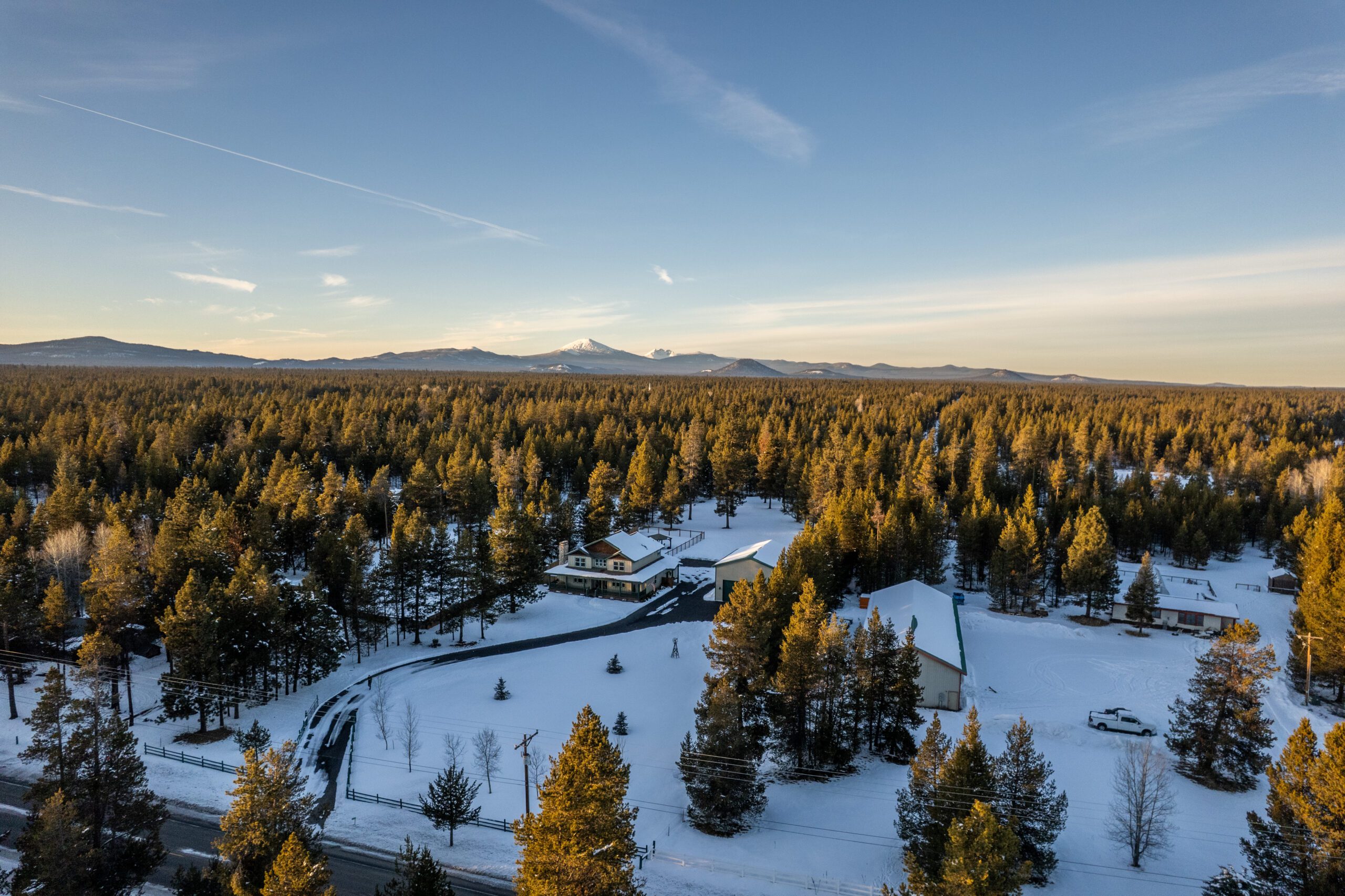
Winter can include downhill skiing, snowboarding, Nordic skiing, snowshoeing, snow play and fat biking. Conditions and operations change, so check the Mt. Bachelor mountain report, ODOT TripCheck and the relevant land manager before leaving home.
Many winter trailheads are Oregon Sno-Parks. Use TripCheck’s Central Oregon Sno-Park map to match a location with the permitted activities, and confirm whether you need a Sno-Park permit. A practical winter routine also depends on vehicle readiness, traction requirements, departure time, parking and a place at home to dry wet gear.
Spring: follow elevation, not the calendar
Lower-elevation walking, running and biking often become practical before high-country routes. Snow, freeze-thaw cycles, mud and seasonal closures can make a trail unsuitable even on a sunny day. The Deschutes National Forest conditions page is a better starting point than assuming a route is open because it was accessible on the same date last year.
Spring is also a good time to learn Bend’s in-town network. Bend Park & Recreation District’s trail locator helps separate paved paths, neighborhood connectors and softer-surface trails. If accessibility matters, review the district’s trail features and accessibility guidance rather than relying on a general trail label.
Summer: water, high-country access and advance planning
Summer opens more options for paddling, river floating, hiking, mountain biking, climbing, camping and golf. It can also bring busy trailheads, heat, smoke, fire restrictions and limited parking.
For an in-town river float, read Bend Park & Recreation District’s current floating and safety guidance. There are no lifeguards on the river, conditions vary, and the district recommends planning the put-in, take-out, parking and transportation before entering the water.
Some popular Central Cascades wilderness trailheads require permits during the seasonal quota period, while other destinations use different passes or self-issue permits. Check the Deschutes National Forest permit page for the specific trailhead and date. Do not assume that a Northwest Forest Pass, wilderness permit and parking reservation are interchangeable.
Fall: use the quieter season without assuming summer conditions
Fall can be excellent for hiking, biking, running and lower-elevation exploration, but daylight shrinks quickly and high-country weather can change. Seasonal resort operations, campground services and road access may close before snow reaches Bend. Check current conditions, carry layers and lighting, and plan a turnaround time.
Build a weekly routine before choosing a neighborhood
A relocation search gets more useful when “close to recreation” becomes a specific routine. Try these questions:
- Which activity will you actually do on a weekday, and which is mainly a weekend trip?
- What is the door-to-trailhead or door-to-lift travel time at the hour you would normally leave?
- Does the route work in snow, school traffic or summer visitor traffic?
- Will you need a permit, pass, reservation, shuttle or backup parking plan?
- Can the home handle bikes, skis, paddleboards, boots, wet clothing and maintenance safely?
- Is the nearby connection public and legal, or does the map route cross private land?
A practical relocation search connects a buyer’s real routine to the property rather than treating recreation as a neighborhood slogan. On Bend’s west side, for example, Phil’s Trail, Skyliners Road and Shevlin Park can be meaningful anchors—but the best fit still depends on the exact address, daily travel pattern and preferred activity. The team’s Phil’s Trail, The Grove and Shevlin Park field guide shows how those places fit together in an actual day.
Check the home, not just the map pin
If recreation access is part of your home search, inspect the practical support system:
- Garage and storage: Measure vehicles with racks attached and confirm secure, ventilated space for equipment.
- Entry and utility areas: Look for durable flooring, drainage, laundry capacity and a realistic place for wet or dusty gear.
- Winter access: Review driveway grade, road ownership, plowing responsibility and the route to priority roads.
- Trail and river proximity: Verify legal access, parking, noise and seasonal use rather than assuming adjacency creates a private entrance.
- Ongoing cost: Include passes, permits, equipment storage, maintenance, insurance and the vehicle needed for your routine.
For the property-level side of this decision, read our homebuyer’s guide to moving to Bend for the outdoors, parks and open-space checklist and Bend home winterization checklist.
Choose a recreation home base with evidence
Bend’s outdoor access is real, but the right location is personal. Compare actual routes, seasonal constraints, property features and total cost before giving recreation proximity extra weight in a purchase decision.
If you are relocating, the Bend Relo team can help you compare homes around the routines you intend to live—then verify the address-level details before you commit. Explore Bend homes and communities, use Moving to Bend for broader lifestyle planning, learn about hands-on support at Bend Relocation Services, or contact Bend Relo to plan a focused property tour.
Talk with David & the Bend Relo team
Buying, selling, relocating, or evaluating a specific property? Tell us what you are working through. We are happy to help.