

Moving to Bend for the Outdoors: A Homebuyer’s Guide

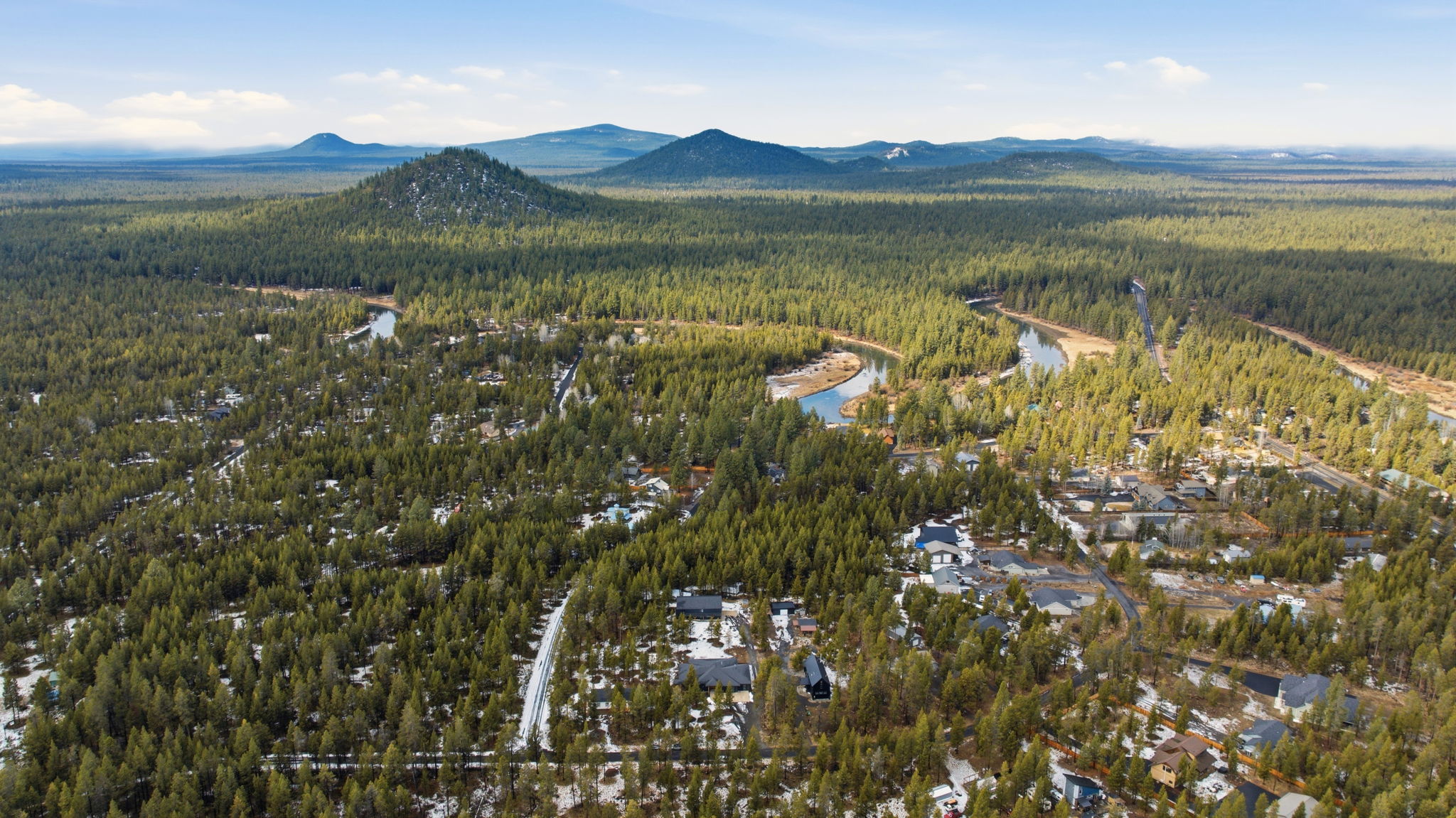
Bend makes it possible to build everyday life around trails, parks, the Deschutes River and the nearby national forest. But “close to the outdoors” means different things to different buyers. A mountain biker who wants to ride from home, a skier who prioritizes the Cascade Lakes Highway, and a family that wants a neighborhood park may end up with very different shortlists.
The useful question is not whether Bend has outdoor access. It does. The question is which kind of access you will actually use, what tradeoffs come with it, and whether the home itself supports your routine.
Start With Your Real Weekly Routine
Before comparing neighborhoods, write down the activities you expect to do every week—not only the adventures you imagine doing a few times a year. Separate them into three groups:
- From-home activities: walking, running, neighborhood biking or reaching a park without loading the car.
- Short-drive activities: trail riding, river access, climbing gyms, golf or a larger recreation facility.
- Destination activities: skiing, backcountry travel, lake days and longer trail outings.
This simple exercise keeps a home search grounded. Paying more for a particular location may make sense if it changes a routine you use several times a week. It may matter less if your favorite activity still requires a drive no matter where you live.
Compare Three Kinds of Outdoor Access
Neighborhood parks and in-town trails
Bend Park & Recreation District maintains an extensive mix of parks, paved routes and natural-surface trails throughout the city. Its official trail locator is a better starting point than a listing description because it shows the actual public network and individual trail details.
Walkability to a park can be especially valuable for dog walks, short runs and family outings. When touring, check the complete route rather than measuring a straight line on a map. Busy crossings, steep grades, winter shade and gaps in sidewalks can change how practical a nearby amenity feels.
West-side trail connections
For some buyers, west-side access is the priority. The Cascade Highlands Trail, for example, connects Overturf Park toward Phil’s Trailhead. Northwest Crossing, the Skyliners Road corridor and areas near Shevlin Park can each support an outdoor-focused routine, but they are not interchangeable. Housing style, lot size, traffic patterns, elevation and proximity to shops vary from one pocket to the next.
A trail shown near a property is not automatically a permanent, direct or all-season connection. Confirm whether the route is public, where the legal access points are, and whether crossing private property would be required.
National forest and destination access
The Deschutes National Forest surrounds many of the recreation areas people associate with Bend. Access can change with snow, road conditions, wildfire restrictions, restoration work and temporary closures. The Forest Service publishes current conditions and closure notices and separate official trail maps.
That matters when evaluating a home. A familiar trailhead or road may be convenient most of the year without being available every day. Build your location decision around the broader network and your normal routine, not one route or one ideal-weather drive.
Match the Home to the Gear
Location is only half of the fit. An outdoor-oriented home should make it easy to store, clean and use the equipment you already own. During a showing, look beyond the listing’s label of “gear room” and test the dimensions.
- Will bikes fit without blocking vehicles or mechanical equipment?
- Is there a secure place for skis, boards, boats or climbing gear?
- Is there a practical route from the garage or entry to a sink, laundry area or drying space?
- Can wet or muddy gear dry without creating moisture problems inside the home?
- Do an HOA’s rules affect exterior racks, trailers, boats or driveway storage?
- Is there enough electrical capacity and ventilation for the workshop or equipment setup you plan to use?
Oversized garages, mudrooms and covered outdoor areas can be helpful, but their usefulness depends on layout, access and rules. Verify what is permitted before treating a feature as solved.
Plan for Bend’s Seasons, Not Just Summer
Outdoor access changes through the year. Snow and ice can affect roads, driveways and shaded walking routes. Spring thaw can make unpaved trails muddy or temporarily unsuitable for use. Summer heat, smoke and wildfire conditions can change plans quickly.
When comparing homes, consider driveway grade, snow-storage space, roof drainage, shaded entries and who maintains the road. For properties near heavier vegetation or the wildland-urban interface, add wildfire preparation and insurance questions early in due diligence. Bend Fire & Rescue maintains wildfire-readiness and evacuation resources, including information about home risk assessments.
Insurance availability and terms are property-specific and can change. Ask an insurance professional to review the actual address before contingencies expire rather than assuming a quote for one Bend property applies to another.
Test the Lifestyle Before You Commit
A good relocation visit should include more than showings. Drive the routes you would use at the times you expect to use them. Walk from a candidate home to the park or path that attracted you. Load the trailhead into your map, then confirm the legal parking and access point. If winter recreation is central to the move, consider how early departures, weather and return traffic affect the routine.
Out-of-area buyers can also use a structured remote process. Our guide to touring Bend homes from out of state explains what to request when you cannot inspect every detail in person.
A Practical Outdoor-Lifestyle Checklist
For each serious property, score these items based on your actual priorities:
- Safe, practical access to the park, path or trail system you expect to use most.
- Travel time to work, school and everyday errands—not only recreation.
- Secure storage and a realistic cleaning or drying setup for gear.
- Road, driveway and parking conditions across the seasons.
- HOA, zoning or property rules that affect equipment, trailers or outdoor improvements.
- Wildfire preparation, vegetation maintenance and address-specific insurance review.
- A backup option when a favorite route is closed, smoky, snowy or crowded.
The best fit is usually the home that supports the life you will live on ordinary Tuesdays—not simply the property closest to a famous trailhead.
Plan Your Bend Home Search Around the Life You Want
Bend Relo helps buyers translate lifestyle goals into a practical property search, then verify the details that matter before they commit. We can compare neighborhoods, tour homes in person or remotely, and help coordinate property-specific due diligence.
If outdoor access is driving your move, tell us how you expect to use it. That gives us a much better starting point than a generic request to be “near trails.”
- Bend Relo — Property search and buyer representation
- Moving to Bend — Lifestyle and community research
- Bend Relocation Services — Practical relocation support
Talk with David & the Bend Relo team
Buying, selling, relocating, or evaluating a specific property? Tell us what you are working through. We are happy to help.





