

Seasonal Listing Photography in Bend: A Seller Planning Guide

Seasonal photos can help a Bend listing explain features that are difficult to show in one photo session: a mountain view on a clear day, a usable deck in summer, mature landscaping in bloom, or how the driveway and roof look after snow. They do not guarantee more showings or a higher sale price. Their value is accuracy, context, and a more complete visual record of the property.
For most sellers, the best approach is not to delay a listing until the “perfect” season. Start with a current professional photo set, then add a small number of clearly relevant images from another season when those photos are recent, accurate, and legally available to use.
What seasonal photos should accomplish
A useful listing gallery helps a buyer answer practical questions before scheduling a showing. Seasonal images are worth adding when they clarify something material about the home or its setting, such as:
- the direction and quality of a mountain, river, or open-space view;
- the condition and scale of landscaping during the growing season;
- how a patio, deck, garden, or covered outdoor area functions in warmer weather;
- snow storage, driveway access, roof exposure, or winter sun;
- the relationship between the home and an adjacent trail, park, or community amenity.
The gallery should still represent the property as it exists when it is offered for sale. The Oregon Real Estate Agency’s advertising guidance emphasizes truthful, non-misleading marketing. That principle matters when older photos show landscaping, views, furnishings, or nearby conditions that have changed.
Build the current photo set first
A seasonal archive is a supplement, not a substitute for current listing photography. Buyers should be able to see the home’s present condition, room proportions, finishes, exterior, lot, and access. If a prior-season image conflicts with the current condition, leave it out or label it clearly.
Before the photographer arrives, focus on work that makes the home easier to understand rather than merely more decorative:
- remove excess items from counters, floors, and outdoor living areas;
- replace failed bulbs and use consistent color temperature where practical;
- clean windows, mirrors, appliances, and high-contrast surfaces;
- open blinds consistently and check for harsh glare or deep shadows;
- move vehicles, hoses, garbage carts, and temporary equipment out of primary exterior views;
- finish visible repairs before the shoot rather than relying on retouching.
Photography works best as part of a broader launch plan that also addresses condition, pricing, showing readiness, and the order in which information appears online. Bend Relo’s seller services overview explains how those pieces fit together.
Plan around Bend’s light, weather, and landscape
Central Oregon conditions can change quickly. A practical photo plan should include a weather backup, especially when the property depends on mountain visibility, exterior living space, or a long driveway. Strong wind, active snowfall, smoke, wet pavement, and heavy midday contrast can make accurate photography harder even when the home itself is ready.
Different seasons reveal different strengths and limitations:
Spring
Spring may show bulbs, flowering trees, and irrigated landscaping, but lawns and planting beds can be uneven early in the season. Photograph what is actually established rather than styling the yard to imply mature growth that is not present.
Summer
Longer daylight can help with exterior coverage and outdoor living areas. It can also create hard shadows, glare, and washed-out windows. Morning, late-afternoon, or twilight sessions may be more appropriate depending on the home’s orientation. If smoke obscures a marketed view, a reschedule may be more honest and useful than aggressive image editing.
Fall
Fall color can provide context, but fallen leaves can hide walkways, drainage details, or uneven surfaces. Clean primary paths and photograph the property before the landscape has moved too far beyond the condition buyers will see.
Winter
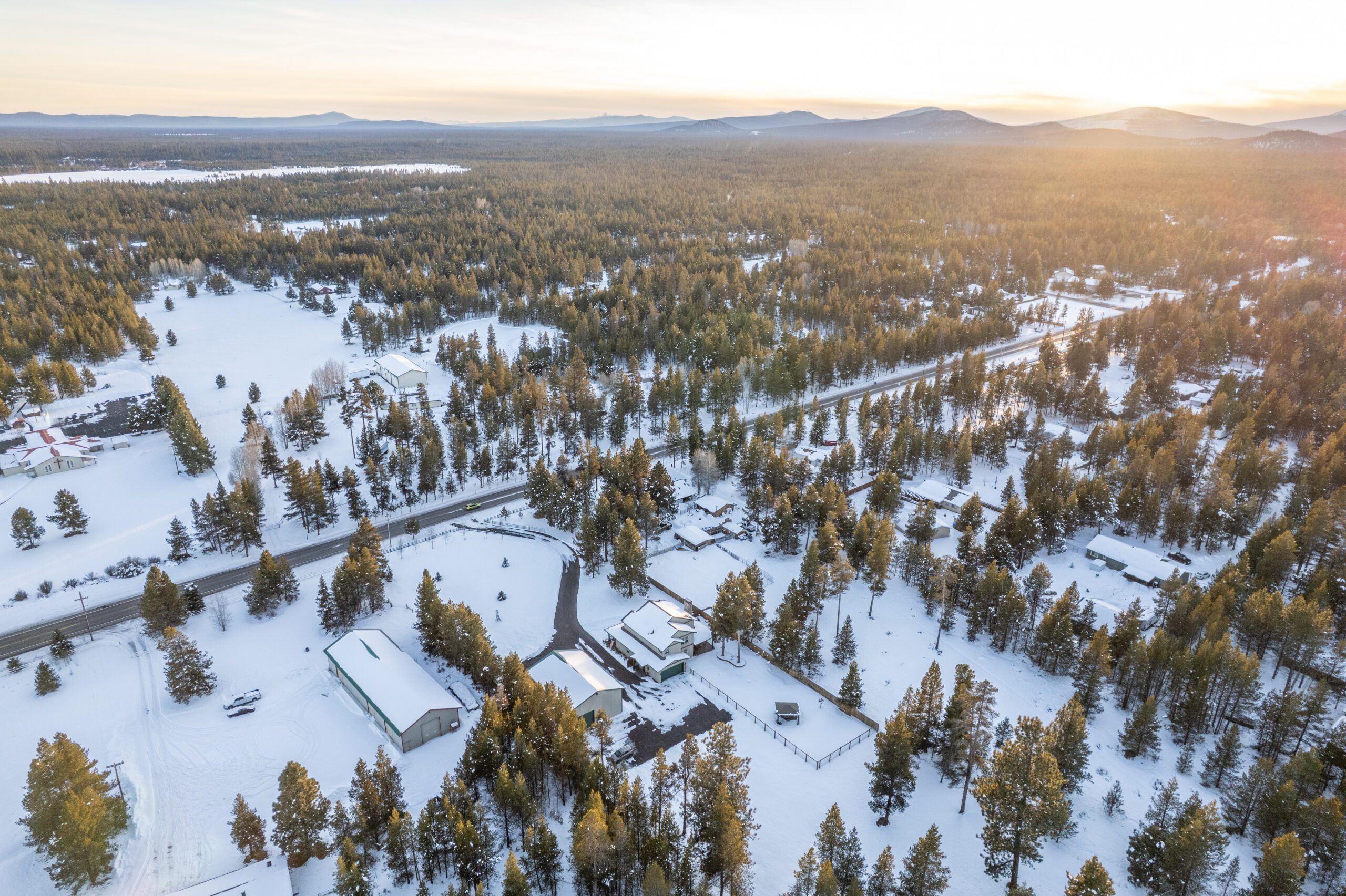
Snow can be visually appealing, but it should not conceal the driveway, roofline, steps, decks, or lot boundaries that buyers need to evaluate. A winter gallery is stronger when it includes clear interior images and exterior views taken after access has been safely cleared.
Use archive photos carefully
Many sellers already have useful images from a prior season. Before adding them to a listing, confirm four things:
- They still show the property accurately. A removed tree, remodeled deck, altered view, or changed landscape can make an older image misleading.
- You have permission to use them. Paying for a photo shoot does not automatically answer every copyright and licensing question. The National Association of REALTORS®’ property-photo guidance recommends resolving ownership and usage rights with the photographer.
- The season is obvious. If an image was taken at another time of year, label or caption it when context could otherwise be confusing.
- The image adds information. Avoid filling the gallery with near-duplicates. A concise set of useful photos is easier to navigate than several versions of the same view.
Keep editing truthful
Basic exposure, color, cropping, and perspective corrections can help a photograph match what the eye sees. Editing should not remove permanent defects, change a view, enlarge a room, replace a neighboring property, add landscape features, or imply that a renovation has already occurred.
Virtual staging can be useful when it is handled transparently, but buyers should not have to guess which features are real. Keep original images available, label altered images, and follow the applicable brokerage and MLS rules. The safest question is simple: would a buyer feel accurately informed when arriving at the property?
When aerial photography is useful
Aerial images can clarify lot shape, privacy, topography, outbuildings, road access, and the relationship to nearby land. They are less useful when the flight adds drama without explaining the property.
Real estate drone photography is a non-recreational operation. The Federal Aviation Administration’s commercial-operator guidance explains that pilots operating under Part 107 must meet certification and operating requirements; controlled airspace or other conditions may require additional authorization. Sellers should use a qualified operator rather than treating a marketing flight as a casual recreational flight.
A practical photo timeline for Bend sellers
- At the first listing conversation: identify the home’s strongest visual features and any seasonal limitations.
- Before launch: complete repairs, cleaning, decluttering, landscaping, and staging decisions.
- Several days before the shoot: check the forecast, smoke conditions, sun direction, and access.
- On photo day: walk the property with the current-condition checklist and remove temporary distractions.
- Before publication: review image order, accuracy, captions, usage rights, and any virtual-staging disclosure.
- After a meaningful seasonal change: decide whether one or two replacement images would make the listing more accurate or easier to understand.
The right season is the one that supports the sale plan
A seller should not hold a ready property off the market solely to wait for green grass or snowcapped views. Timing, pricing, preparation, and personal plans matter more than chasing a perfect photo day. Seasonal photography is most useful when it removes uncertainty and shows features that current images cannot fully explain.
If you are preparing to sell in Bend or elsewhere in Central Oregon, Bend Relo can help coordinate the photo plan with pricing, presentation, launch timing, and the needs of local and out-of-area buyers. Visit the contact page to start a property-specific conversation.
Talk with David & the Bend Relo team
Buying, selling, relocating, or evaluating a specific property? Tell us what you are working through. We are happy to help.





