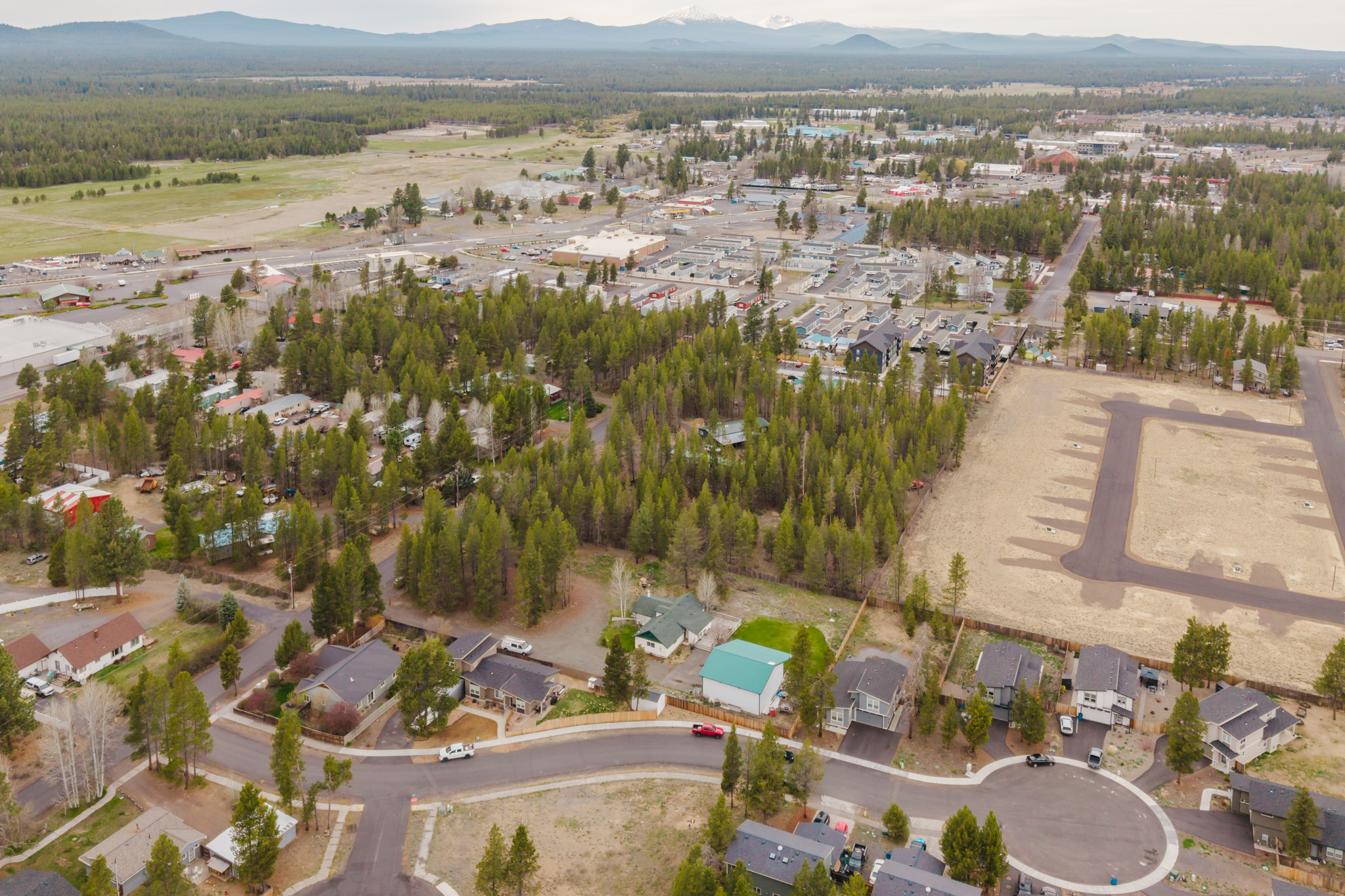

Living near a park, trail or natural area can be one of the best parts of a Bend home—but “near open space” is not a complete property fact. Before you treat access, privacy or a view as part of the value, verify who owns the land, where the legal access points are, what uses are allowed and whether the boundary or surrounding land could change.
This guide gives buyers a practical way to evaluate homes near public open space without assuming that every green area on a map is protected, public or directly accessible.
Start by defining what “open space” actually means
A city park, a Bend Park and Recreation District natural area, an HOA common tract, a utility easement, a privately owned vacant parcel and federal land are different things. They may look similar from a backyard, but the ownership, access rules, maintenance and future use can be very different.
Ask the listing agent or seller to identify the specific parcel or facility being described. Then verify it independently. A vacant lot should not be presented as permanent open space unless recorded documents or the public owner support that conclusion. Likewise, a nearby trail may not have a legal entrance from the street closest to the home.
Use public maps as a starting point—not a legal survey
For parks and district-managed trails, begin with the Bend Park and Recreation District parks and trails directory and its trail locator. The City of Bend interactive maps can help you understand streets, planning layers and other city information. Deschutes County DIAL is useful for researching tax lots and county property information.
These tools are excellent for orientation, but they do not replace title work or a survey. For a purchase decision, review the preliminary title report, recorded easements, plat, survey information and HOA documents that apply to the property. If a boundary, access right or view corridor is important to your offer, ask the appropriate title, survey, planning or legal professional to confirm it.
Walk the actual route from the home
A map pin can hide the details that determine whether nearby open space will fit your daily life. Walk or drive the route at the times you expect to use it and check:
- the legal public entrance—not an informal shortcut across private land;
- distance from the front door rather than straight-line distance;
- sidewalks, street crossings, grade and seasonal surface conditions;
- hours, gates, parking and any permit or use restrictions;
- whether the route works for a stroller, bike, mobility need or dog; and
- how winter weather, irrigation or darkness changes the experience.
In Bend, “trail access” can mean a neighborhood connection, a short drive to a trailhead or a private HOA route. Those are not interchangeable. West-side references such as Shevlin Park, Phil’s Trail or the Northwest Crossing trail network are useful orientation points, while north- and east-side access may be described through places such as Sawyer Park or Pine Nursery Park. The exact route and rules still need to be checked for the individual home.
Evaluate the tradeoffs of living next to it
Adjacency can offer quick recreation access, a more open outlook or fewer buildings immediately behind the home. It can also bring trail users, dogs, bicycles, headlights, parking activity, maintenance equipment, dust, litter or less backyard privacy. Visit on a weekday, a weekend and around the time you would normally be home.
Look beyond the current season. A quiet winter path may be busy in summer. Vegetation can screen activity in July and expose the same view in January. Ask who maintains fences, trees, drainage and irrigation along the edge. If the home backs to public land, do not assume the public agency will address a private-property concern or preserve vegetation for a homeowner’s view.
Check wildfire exposure and insurance early
Homes near undeveloped vegetation or forest may need extra attention to defensible space, roof and vent details, access for emergency vehicles and ongoing landscape maintenance. This is a property-specific issue, not a reason to rule out open-space living.
Ask an insurance professional for a property-specific quote while you still have a useful due-diligence window. Do not assume that the seller’s current premium or coverage will transfer to you. Bend Fire & Rescue offers community wildfire information and home wildfire risk assessment resources that can help owners understand mitigation priorities.
Read the HOA documents when access is private
An HOA trail, common tract or private recreation area may be a meaningful amenity, but confirm who may use it, who maintains it and how it is funded. Review the recorded map, CC&Rs, rules, budget and reserve information. Ask whether there are gates, seasonal closures, pet restrictions or planned changes.
Also separate an HOA-owned open area from public land. A private greenbelt may be reserved for association members, while a public trail may bring broader use. Both can work well; the important thing is knowing which arrangement you are buying into.
Open-space due-diligence checklist
Before relying on a park, trail, view or natural area in your decision, confirm:
- Ownership: Who owns and manages the adjacent parcel?
- Boundary: Where is the property line, and is a survey needed?
- Access: Is the route public, private, licensed or informal?
- Future use: What do recorded documents and current planning information allow?
- Easements: Do utilities, drainage, access or conservation rights affect the lot?
- Daily activity: What are the parking, noise, pet and maintenance patterns?
- Wildfire and insurance: What mitigation and coverage questions apply to this address?
- HOA obligations: Who pays for the amenity, and what rules govern it?
Put the lifestyle benefit in the right context
Nearby open space can be a genuine quality-of-life advantage when it supports the way you will actually use the home. It should not substitute for checking the property itself. Drainage, lot lines, easements, insurance, road access and building condition still matter. Our home inspection guide for Central Oregon buyers and guide to easements and access roads cover related due-diligence questions.
Bend Relo helps buyers connect the map, the documents and the on-the-ground experience before they commit to a home. If access to parks, trails or natural areas is central to your move, contact our team and tell us how you expect to use it. We can help you compare properties without treating a marketing phrase as a guarantee.
- bendrelo.com — Central Oregon property search and buyer guidance
- movingtobend.com — Bend lifestyle and relocation information
- bendrelocationservices.com — Professional relocation support
Talk with David & the Bend Relo team
Buying, selling, relocating, or evaluating a specific property? Tell us what you are working through. We are happy to help.