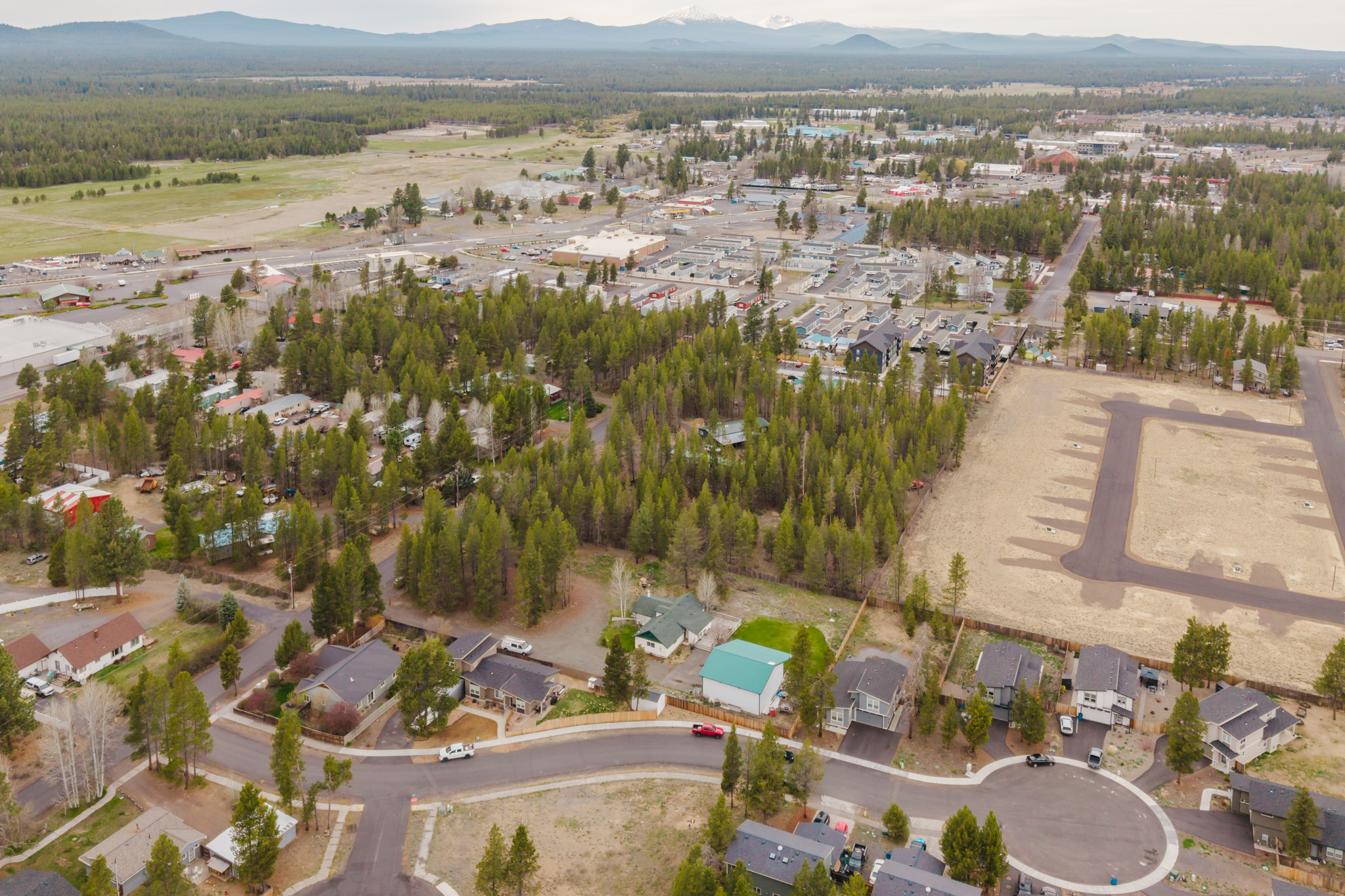

Landscaping matters before a Bend home goes on the market, but the useful goal is not to create a magazine-perfect yard. It is to make the property easy to approach, easy to understand, and consistent with the level of maintenance a buyer can reasonably expect.
A seller can spend heavily on new plants and still miss the issues that shape a showing: an irrigation leak, a dark walkway, branches touching the roof, debris against the house, a gate that will not open, or a yard whose water and maintenance needs are unclear. A better plan starts with condition and function, then uses selective presentation work where it will actually be seen.
Start with safety, access, and visible maintenance
Walk the same route a buyer will take from the street or driveway to the front door. The first pass should look for practical problems rather than style preferences:
- uneven pavers, loose steps, or trip hazards;
- shrubs that narrow a walkway or hide the address;
- branches rubbing the roof, siding, or vehicles;
- dead limbs, leaning trees, or roots affecting hardscape;
- standing water, erosion, or downspouts draining toward the foundation;
- damaged fencing, latches, retaining edges, or irrigation boxes; and
- stored materials, pet waste, weeds, and debris that make areas hard to inspect.
Some concerns are appropriate for a landscaper, while drainage, structural, tree-risk, or foundation questions may require a different qualified professional. The point is to identify the right scope before paying for cosmetic work. Bend Relo’s seasonal exterior-maintenance checklist can help separate yard work from broader exterior items.
Make the landscape legible, not artificially new
A buyer should be able to see how the yard is organized. Define the walking route, clear access to utility equipment, expose the edges of patios and paths, and make gates functional. Prune for clearance and plant health rather than cutting every shrub into the same shape. Remove dead annuals and obviously failed plants, but do not replace a mature landscape with a rushed installation simply to make it look fresh.
Use restraint around unfinished areas. Fresh mulch or gravel can make a bed easier to read, but it should not cover drainage problems, buried debris, irrigation defects, or conditions a buyer will need to evaluate. If work is incomplete, document what was done and what remains rather than presenting a temporary surface as a permanent solution.
Check irrigation before adding plants
Run each irrigation zone and note broken heads, clogged emitters, overspray, low pressure, pooling, and dry spots. Confirm that the controller operates and that valves and shutoffs are accessible. If the system has been winterized or is not active, say so; do not imply that an untested system works.
The City of Bend’s smart irrigation guidance emphasizes adjusting schedules to the actual landscape and season. The City’s soil and water resources also cover mulch, soil health, WaterWise landscaping, and drip irrigation.
For a sale, keep any recent irrigation invoices, controller instructions, winterization records, and a simple zone map together. Those records are more useful than a vague claim that the yard is “low maintenance.”
Respect Central Oregon’s climate and water use
Central Oregon landscaping has to handle cold winters, hot days, low humidity, and a relatively short growing season. OSU Extension’s Waterwise Gardening in Central Oregon explains how plant selection, soil preparation, irrigation, and maintenance work together in this climate.
That does not mean every lawn should be removed or every bed converted to rock before listing. Buyers have different preferences, and a large last-minute conversion can introduce new questions about irrigation, drainage, weeds, heat, and plant survival. When the existing design is functional, targeted repairs and honest maintenance information are often more useful than a wholesale redesign.
If plants must be replaced, choose species suited to the exact exposure, soil, irrigation plan, pets, wildlife pressure, and mature size. “Native” and “drought tolerant” are not interchangeable labels for every site. A local nursery, OSU Extension resource, or qualified landscape professional can help with property-specific selection.
Include wildfire readiness in the landscape review
In Central Oregon, landscaping and wildfire preparation overlap. The Oregon State Fire Marshal defines defensible space as the buffer between a building and nearby vegetation or wildland fuels, and offers education-focused assessments for property owners.
Before listing, remove accumulations of dry needles, leaves, dead vegetation, and other combustible debris around structures, decks, and gutters. Evaluate plants, firewood, fencing connections, and other materials closest to the home. Do not market a property as “fireproof” or guarantee that landscape work will prevent damage. If defensible-space work is material to the property, retain the assessment or contractor documentation and describe the completed scope accurately.
Know when licensed landscape work is involved
Mowing, weeding, and ordinary maintenance are different from landscape construction. New irrigation, drainage, retaining features, major hardscape, and other construction work may require a licensed landscape contracting business. The Oregon Landscape Contractors Board provides a consumer guide and license-verification path.
For significant work, use a written scope that identifies materials, disposal, access, timing, payment terms, and responsibility for permits or utility locates. Keep proposals, invoices, warranties, and before-and-after photos. A clean folder of records helps the listing team describe completed improvements without guessing.
Prepare for photography and showings
Once condition and function are addressed, prepare the yard for how it will actually be viewed:
- mow, edge, weed, and remove obvious debris;
- clean the approach, porch, patio, and outdoor furniture;
- coil hoses and organize tools, bins, toys, and pet items;
- open gates and clear access to sheds, side yards, and mechanical equipment;
- trim only what blocks light, views, paths, or important features;
- replace a few failed plants where the design otherwise works; and
- test exterior lighting if twilight photography or evening showings are planned.
Coordinate this work with the overall presentation plan. The goal is not to make the yard look unused; it is to reduce visual distraction and let buyers understand the outdoor spaces. For the rest of the property, use Bend Relo’s home-staging decision guide.
Decide what to fix, disclose, or leave alone
Prioritize landscaping work using four questions:
- Is it a safety, access, drainage, or active-leak issue? Investigate it before cosmetic work.
- Will it obstruct inspection or hide an important feature? Clear access and visibility.
- Can it be completed and established before photography? Avoid unfinished work and newly stressed plants.
- Will the cost be recovered with reasonable confidence? If not, compare repair, pricing, disclosure, or leaving the feature as-is.
There is no universal landscaping return on investment and no design that appeals to every buyer. The right scope depends on the property, season, price point, existing condition, photography plan, and likely alternatives competing for the same buyer.
A practical pre-list landscaping checklist
- Walk the buyer route and correct obvious access or trip concerns.
- Run irrigation zones or document that the system is inactive or winterized.
- Clear debris and vegetation from the home, roof, gutters, decks, and equipment.
- Address dead plants, overgrowth, and visibility without over-pruning.
- Review drainage, tree, retaining-wall, or hardscape concerns with the right professional.
- Confirm licenses for regulated landscape construction work.
- Keep invoices, warranties, instructions, zone maps, and assessment records.
- Finish cleanup before photography and maintain the yard through closing.
If you are preparing a Bend or Central Oregon home for sale, Bend Relo can help you compare the landscaping work that supports presentation with the items that deserve investigation, documentation, pricing, or a qualified contractor.
- bendrelo.com — Property search and relocation planning
- movingtobend.com — Lifestyle insights and relocation tips
- bendrelocationservices.com — Professional relocation support
Talk with David & the Bend Relo team
Buying, selling, relocating, or evaluating a specific property? Tell us what you are working through. We are happy to help.