

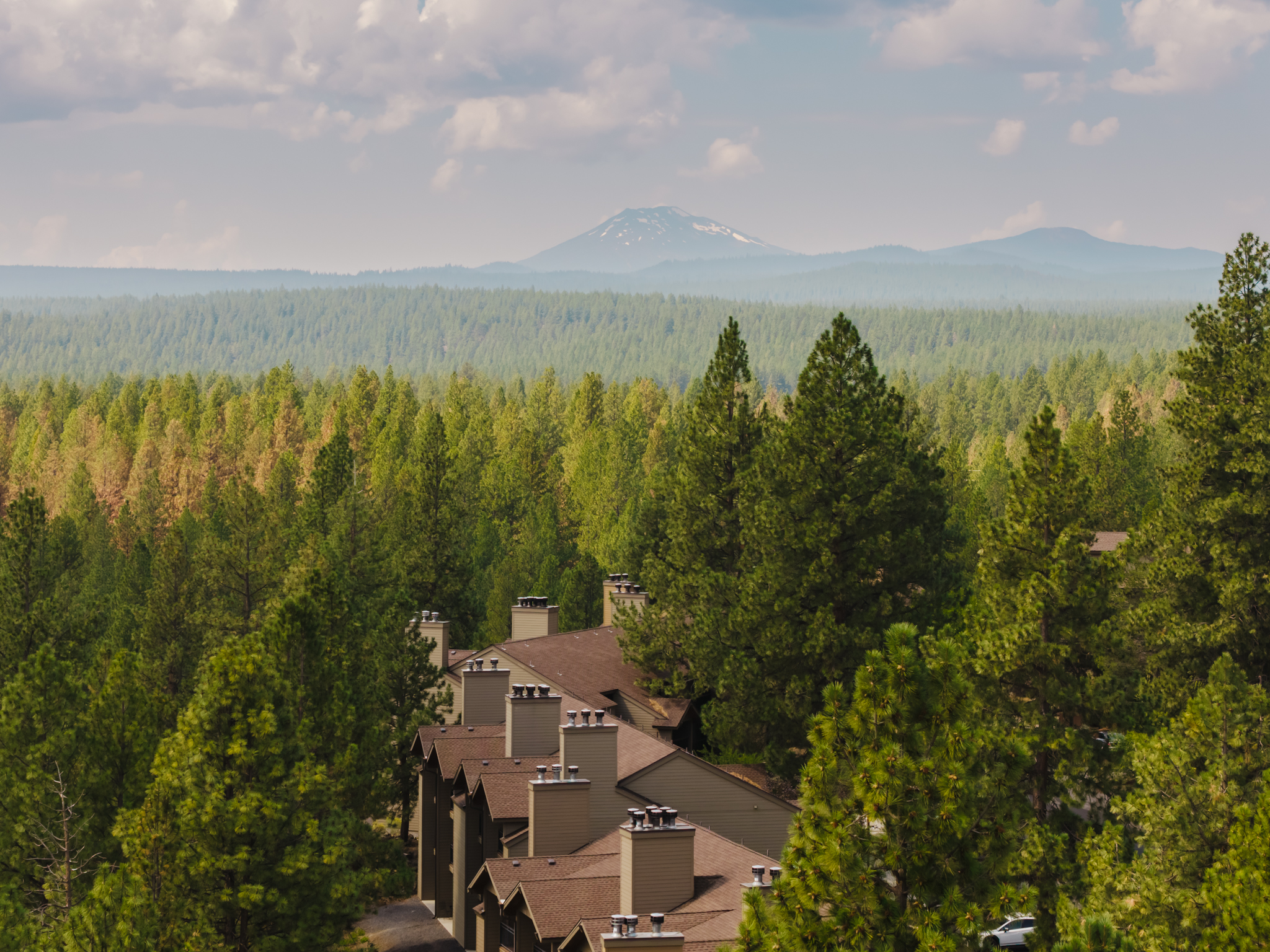
Off-grid living in Central Oregon can be practical, but only when the property’s legal use, water, wastewater, power, heat, access and emergency plans work as one system. A solar array and a well do not make a home self-sufficient by themselves. The better question is whether the property can support your actual winter routine, your financing and insurance requirements, and the maintenance work you are willing to manage.
This guide is a readiness test for an existing home or homesite. For a deeper inventory of conventional rural systems, use our Central Oregon rural-utilities guide.
First, define what “off-grid” means for this property
The label covers very different arrangements:
- a home disconnected from electric, water and sewer utilities;
- a rural home with a private well and septic system but utility-company power;
- a grid-connected home with solar, batteries and backup generation; or
- vacant land where the buyer plans to create the entire system.
Those are not interchangeable. Ask the seller and listing agent to identify every essential service, who owns it, how it is powered, whether it is shared and what happens when one component fails. Then verify the answer through permits, invoices, service records and qualified inspections.
Legal feasibility comes before equipment
Start with the tax lot, zoning and existing permit record—not with a wish list. Rural zoning can affect whether a dwelling, accessory structure, agricultural use or second living area is allowed. Existing cabins, electrical work, septic systems, generators and solar equipment also need to be checked against the record for that specific property.
Deschutes County provides a public building and land-use permit search. Oregon’s Building Codes Division also explains that photovoltaic work can require structural and electrical permitting, with the path depending on the system. A permit record does not replace professional inspection, but it helps identify what was approved and which questions remain open.
For undeveloped land, do not assume that acreage, an address or nearby homes prove that your intended dwelling and systems are feasible. Confirm the land-use path and system locations with the applicable county and specialists before treating the parcel as buildable.
Size the power system for a difficult week, not an ideal day
An off-grid power review should begin with a load budget. List the equipment that must run, its starting surge and the hours it may operate. Include the well pump, pressure system, refrigerator, lighting, internet equipment, septic components, heat controls, cooking, medical devices, workshop loads and vehicle charging if applicable.
Then ask for evidence showing how the system performs:
- solar array size, age, permits and inspection records;
- battery make, usable capacity, warranty and service history;
- inverter and charge-controller specifications;
- generator fuel type, rated output, maintenance log and transfer method;
- actual production and consumption records across seasons; and
- a safe plan for extended low-production periods or equipment failure.
A buyer should have a qualified solar or electrical professional compare the system with the household’s expected loads. If the property already has solar equipment, our Oregon solar due-diligence guide covers ownership, liens, production records, roof coordination and utility arrangements in more detail.
Water independence requires more than finding a well
A private well still depends on a pump, electrical supply, pressure equipment and sometimes storage or treatment. Review the well log, age and depth, recent flow information, water-quality results, pump records and the location of buried components. If water is hauled, verify the legal source, route, storage capacity, winter access and realistic delivery plan.
Oregon water law also distinguishes domestic well use from irrigation and other uses. The Oregon Water Resources Department explains that some groundwater uses are exempt from the water-right permitting process, but the exemptions have defined limits and water must still be used beneficially and without waste. Use the agency’s exempt-use guidance and contact the local watermaster when the intended use is unclear. Do not assume that a domestic well automatically authorizes irrigation, livestock or other planned uses.
If the source is shared, review the agreement, cost allocation and failure plan using our shared-well due-diligence checklist.
Septic capacity must match the home and intended use
Living off-grid does not remove wastewater requirements. Match the approved septic system to the dwelling, bedroom count and current configuration. Collect the permit, as-built drawing, pumping history, maintenance records and any documents for repairs or alterations. Locate the tank, drain field and repair area before planning additions, outbuildings, driveways or heavy equipment routes.
Oregon DEQ advises buyers to understand what system is required for undeveloped property and to hire a qualified inspector before purchasing a property with an existing septic system. Its onsite wastewater guidance is a useful starting point, followed by the applicable county records and a property-specific inspection.
Access and emergency planning are essential systems too
A home can have excellent utilities and still be impractical if access fails when it matters. Separate legal access from the condition of the road. Review recorded easements, private-road agreements, snow removal, drainage, gates, turnaround space, bridge or culvert limits and who pays after a major repair. Our rural access guide provides a detailed review sequence.
Build an emergency plan around the property’s actual location. Consider evacuation routes, alert coverage, communications during a power or internet outage, backup heat, water storage, generator fuel, pets or livestock, and how responders can identify and reach the home. The Deschutes County Sheriff’s Office publishes wildfire preparedness resources, while Oregon’s Division of Financial Regulation recommends reviewing insurance and creating defensible space before wildfire season.
Test the daily routine, not just the property
The operating burden is part of the purchase. Map out a normal week and a difficult week:
- How will you work if the primary internet connection fails?
- Who services the well, batteries, generator, septic system and heating equipment?
- How long does it take to obtain fuel, parts or a technician?
- Where do trash, recycling and deliveries go?
- What changes during snow, smoke, freezing weather or a medical emergency?
- Can every household member operate the backup systems safely?
Ask the seller for a live demonstration of critical systems when practical. Verify remote-work connectivity at the property rather than relying only on a coverage map or listing description.
Bring the lender and insurer in early
Unique utility arrangements, unpermitted improvements, difficult access and limited comparable sales can affect appraisal, financing and insurance. Provide the lender and insurer with the actual property details before the inspection period is nearly over. Ask what records, inspections, repairs or reserves they may require.
Obtain an insurance quote for the specific address, systems and outbuildings. Oregon’s wildfire insurance resources also explain preparedness and mitigation steps. For a broader property-cost framework, see our Central Oregon acreage ownership checklist.
An off-grid property readiness scorecard
A strong candidate has documented legal use, inspected systems, measurable capacity, redundant essentials and an operating routine the buyer understands. Slow down when important answers depend on verbal assurances, missing records or future upgrades that have not been designed and priced.
- Green: permits and records align; essential systems have current inspections; power and water capacity are documented; access and backup plans are workable.
- Yellow: the concept may work, but a specialist, lender, insurer or county review must resolve specific questions.
- Red: the intended use is not confirmed, essential systems cannot be demonstrated, access is unresolved, or the purchase depends on assumed approvals.
The goal is not to eliminate every maintenance task. It is to know who will perform it, what failure looks like and what the backup plan costs before closing.
Planning an off-grid or rural purchase
Bend Relo helps buyers organize property-specific due diligence for rural and unusual homes across Central Oregon. We can coordinate the real estate timeline with the lender, insurer, inspectors and public-record questions while keeping specialist opinions in the hands of the appropriate professionals.
Contact Bend Relo to discuss a property or buying plan.
- bendrelo.com — Central Oregon property search and real estate guidance
- movingtobend.com — Relocation and lifestyle planning
- bendrelocationservices.com — Professional relocation support
Talk with David & the Bend Relo team
Buying, selling, relocating, or evaluating a specific property? Tell us what you are working through. We are happy to help.





