

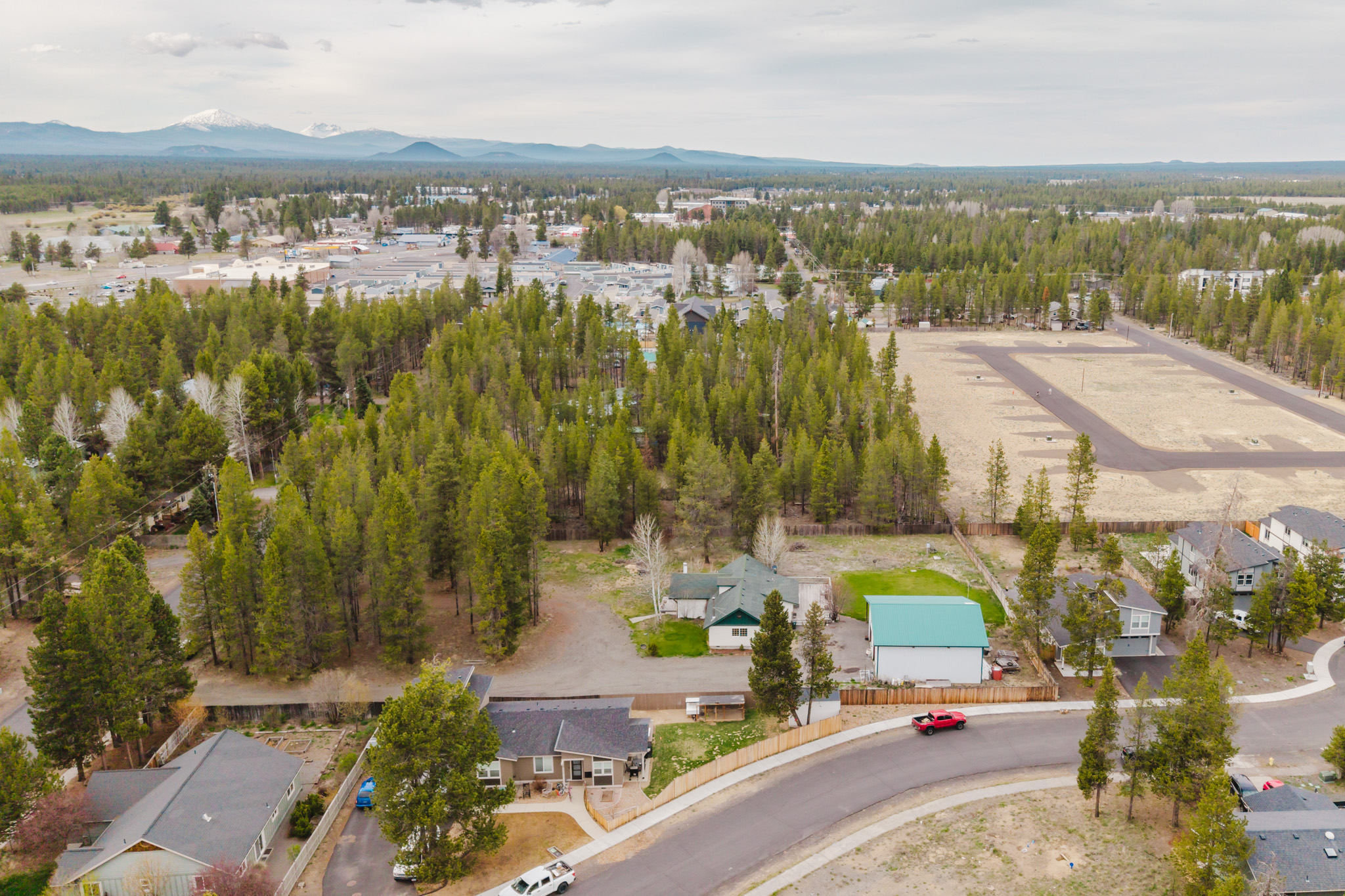
Living Near Bend Paddleboarding Access: A Buyer’s Checklist
If regular paddleboarding is part of the life you want in Bend, do not evaluate a home by map distance to the Deschutes River alone. The useful question is whether the property gives you a practical, repeatable route to a legal access point—with workable parking or a realistic walk or bike carry, room to store and dry equipment, and tradeoffs you are comfortable with during the busy summer season.
Being near the river can be a genuine daily-life advantage. It does not automatically create a price premium, guarantee resale demand, or mean the nearest riverbank is open for public launching. Treat access as a property-specific lifestyle feature and verify it just as carefully as commute time, school boundaries, or trail access.
What “near paddleboarding access” should mean
A listing can be close to water without making paddling easy. Before treating proximity as a benefit, define the trip from the front door to the water:
- Actual route: Measure the route to a designated public access point, not a straight line to the river.
- Carry or drive: Decide whether you would walk, bike, or load the board onto a vehicle. A short map distance may still involve steep grades, stairs, busy crossings, or an awkward return trip.
- Launch and exit: Confirm where you can enter and leave the water. A comfortable launch does not guarantee an equally convenient takeout.
- Seasonal reality: Test the route at the time of day and season when you expect to use it. Summer parking and trail activity can feel very different from a quiet weekday in spring.
- Your equipment: A rigid board, inflatable board, kayak, children’s gear, and dog gear create different storage and transportation needs.
This intended-use test matters more than a broad neighborhood label. A home two blocks farther away may work better if it has secure gear storage, a level route, and an easier connection to a designated access point.
Know the public access options
Bend Park & Recreation District identifies multiple riverfront parks, but notes that some are better suited than others for watercraft access. Two useful examples are:
- Riverbend Park, which has multiple year-round river access points and trail connections. The district also cautions that parking and trail and river traffic can be heavy on warm summer days and during Old Mill events.
- Miller’s Landing Park, where the district specifically identifies paddleboarding and kayaking access. Two accessible river-entry points and newer launch features support different ways of getting a watercraft into and out of the river.
The district’s current river recreation guide is the right place to check designated entry sites, parking, shuttle details, safety notices, and seasonal operating information. Those details can change. Do not assume an informal path across public or private land is an approved launch.
Nearby mountain lakes are a different lifestyle calculation. Elk Lake, Sparks Lake, Hosmer Lake, and other Cascade Lakes destinations require a vehicle trip from Bend, seasonal road access, and site-specific rules. A home that is convenient to an in-town river launch is not necessarily better positioned for lake paddling.
Test the trip before you buy
A useful showing-day exercise is to follow the complete paddleboarding routine instead of simply driving past the river.
- Start at the property and travel the likely route to the launch.
- Identify where a board can be unloaded or carried without blocking a sidewalk, bike lane, or boat ramp.
- Check the takeout and the return route, including whether you would need a shuttle or second vehicle.
- Visit again on a warm weekend if summer use matters to you.
- Confirm current park rules and river conditions before relying on any route.
Pay attention to traffic, event activity, evening use, and neighborhood parking rules. These are not automatic negatives: some buyers want to be close to an active river corridor, while others prefer a quieter home with a short drive to the launch. The goal is to understand the pattern before closing.
Evaluate the home as gear-supporting space
For frequent paddlers, the house can matter as much as the address. Look for:
- Secure storage long enough for the board, paddle, personal flotation devices, pump, and repair kit
- A route from storage to the driveway or street without tight turns or damage-prone finishes
- A place to rinse, drain, and dry wet gear without creating moisture problems
- Garage height and layout that work with roof racks or a loaded vehicle
- Exterior gates, stairs, and side-yard dimensions that fit the board you actually use
- HOA rules governing visible storage, racks, trailers, or exterior modifications
Do not count on future storage changes until you have checked dimensions, permit requirements, setbacks, easements, and any HOA review process. A storage shed or garage rack that looks simple on paper may conflict with how the site functions.
River proximity adds property-specific due diligence
A home near the river deserves more than a lifestyle review. Verify the parcel rather than inferring risk from neighborhood reputation or distance alone.
- Flood mapping: Use the FEMA Flood Map Service Center, the official source for National Flood Insurance Program flood-hazard information, and compare it with Deschutes County’s local floodplain mapping.
- Insurance: Request property-specific quotes early. Ask the carrier what documentation it used and whether the home’s location, prior claims, or other conditions affect availability or cost.
- Boundaries and access: Confirm the parcel boundary, recorded easements, and whether any apparent path or river access is public, private, shared, or prohibited.
- Site conditions: Have the inspector look closely at drainage, grading, crawlspace or foundation moisture, retaining features, and exterior materials.
- Future work: River-corridor, floodplain, riparian, and other development rules can affect additions, landscaping, bank work, or rebuilding. Confirm plans with the appropriate jurisdiction before treating them as feasible.
For a deeper property-focused review, read our guide to buying near the Deschutes River.
Know the current paddlecraft rules and river conditions
Rules change, so check the official sources before each season. As of 2026, the Oregon State Marine Board says a Waterway Access Permit is required for operators of all non-motorized paddlecraft, including stand-up paddleboards, regardless of length; children 13 and younger are exempt. The board also requires paddlecraft to carry a properly fitting U.S. Coast Guard-approved wearable life jacket for each person, with children 12 and younger required to wear one. A whistle or other approved sound-producing device is required equipment.
See the Marine Board’s Waterway Access Permit FAQ and paddlecraft equipment and rule page for current requirements.
The Deschutes is a moving river, not a pool. Bend Park & Recreation District notes that there are no lifeguards, conditions can vary, the current can be swift, and the water can be cold. Follow posted signs, use designated access sites, check current conditions, and match the route to your skills and equipment.
A practical showing checklist
- Which designated launch and takeout would I actually use?
- Is the route still convenient while carrying my board?
- What do parking, traffic, and trail use look like on a warm weekend?
- Can I securely store, rinse, and dry all of my gear?
- Do HOA rules or site constraints limit storage or future improvements?
- What do official flood maps show for this exact parcel?
- Have I obtained property-specific insurance information?
- Are the apparent access routes public and legal?
- Would I still choose this home if river access required a short drive?
Choose the home for the routine, not the headline
The best home for a paddler is not necessarily the one with the shortest advertised distance to the river. It is the one that makes the full routine—storage, transport, launch, takeout, cleanup, and seasonal use—fit the way you plan to live.
Bend Relo can help you compare properties using that complete picture while keeping access, site conditions, insurance, inspections, and long-term ownership needs separate from unsupported assumptions about market value.
- bendrelo.com — Search for Bend and Central Oregon homes
- movingtobend.com — Explore local lifestyle and relocation resources
- bendrelocationservices.com — Plan the practical details of a Central Oregon move
Talk with David & the Bend Relo team
Buying, selling, relocating, or evaluating a specific property? Tell us what you are working through. We are happy to help.





