

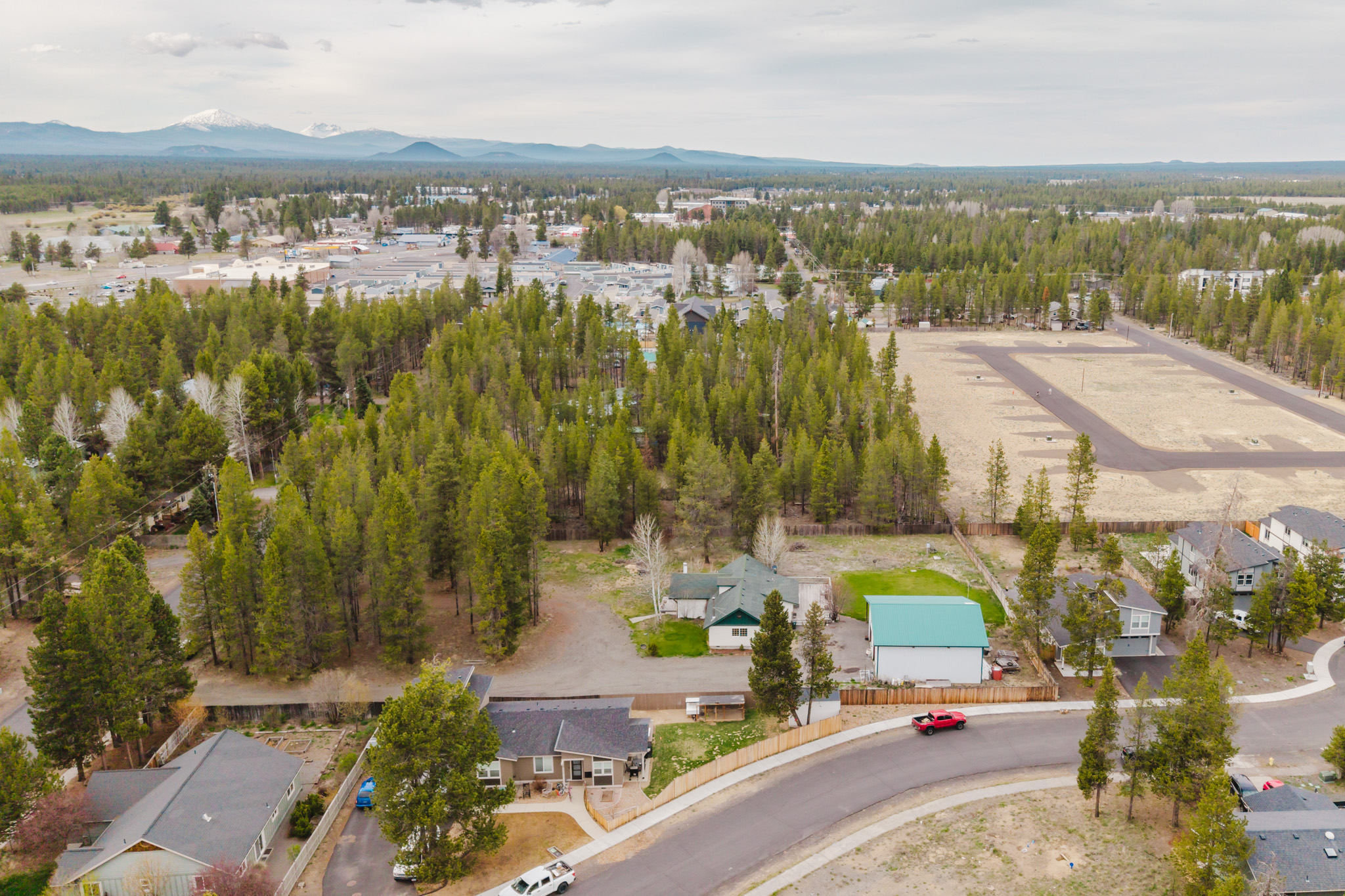
Outdoor-Space Orientation in Bend: Sun, Shade and Seasonal Fit
A south- or west-facing patio can be a great fit in Bend, but compass direction alone does not tell you whether an outdoor space will feel comfortable when you want to use it. Trees, neighboring homes, rooflines, slope, wind exposure and the location of doors and windows can matter just as much.
The useful question is not “Which direction is best?” It is “How will this particular space work for my routine in each season?”
Quick orientation guide
- South-facing: often receives longer periods of sun, especially when nearby structures and evergreens do not block the lower winter sun. Shade may still be important in warmer months.
- West-facing: can offer afternoon and evening light, but it can also be the hottest exposure late in the day.
- East-facing: tends to favor morning light and a cooler patio later in the day.
- North-facing: is often cooler and more shaded. In winter, shaded areas may hold snow or ice longer than sunnier areas, depending on drainage and obstructions.
These are starting points, not guarantees. A west-facing courtyard behind tall pines can be shadier than an open east-facing deck, and a south-facing patio beneath a deep roof overhang may behave differently from an uncovered one.
Start with the hours you will actually use the space
Think about your normal week before deciding that one orientation is automatically better. If you want coffee outside before work, morning light may matter more than evening sun. If you expect to dine outdoors after work, check whether the patio is pleasantly warm or uncomfortably exposed late in the day. Families may care more about shade during afternoon play, while gardeners need to compare the actual light on each planting area.
During a showing, note the time and weather rather than treating that visit as a complete picture. If the home is a serious candidate, return at a different time of day when practical. Ask for summer and winter photos, look at satellite imagery, and study which trees are evergreen versus deciduous. A sun-path app can help with screening, but it does not replace an on-site look at the real obstructions.
South exposure: useful winter sun, with summer tradeoffs
South-facing outdoor areas may receive more winter sun when the sky is open. That can make a patio feel brighter and may help exposed snow or ice melt sooner. It does not remove the need to inspect drainage, shaded steps or refreezing areas, and it should never be treated as a safety guarantee.
The same exposure can create too much heat at other times. The U.S. Department of Energy explains that effective passive-solar design depends on more than direction: glazing, thermal mass, overhangs, landscaping and climate all work together. It also cautions that south-facing glass needs appropriate shading to avoid overheating. See the DOE’s passive solar home design guidance.
West exposure: evening light and late-day heat
West-facing patios can be appealing for evening use, particularly where the view opens toward the Cascades. But direct late-afternoon sun can also make a deck, patio and adjoining rooms hot during summer. Check whether the space has usable shade at the hour you expect to be there.
Look beyond the patio itself. Large west-facing windows can affect glare and indoor comfort. The DOE notes that a window’s climate, orientation and exterior shading help determine the appropriate solar heat-gain performance. Existing overhangs, exterior shades, glazing and window coverings may matter more than the compass label alone. Its window energy-rating guide is a useful starting point.
Evaluate the whole microclimate
Two homes on the same street can have different outdoor conditions. The DOE defines the immediate surroundings of a home as its microclimate, which can receive different amounts of sun, shade, wind, snow and moisture than the broader area. Its energy-efficient landscaping guidance recommends considering both regional climate and the site’s microclimate.
On a Bend property, check:
- Tree and structure shadows: note tall pines, adjacent homes, fences and rooflines.
- Wind: exposed lots, ridgelines and gaps between buildings can change how a patio feels.
- Drainage and winter footing: look for downspout discharge, low spots, shaded steps and signs of repeated moisture.
- Surface temperature: dark decking, pavers and artificial turf can feel very different in direct summer sun.
- Privacy: the sunniest location may also be the most visible from neighboring windows or streets.
- Indoor connection: evaluate the door location, kitchen access, thresholds and whether traffic through the room works for everyday use.
Do not confuse orientation with construction quality
A sunny deck can still have deferred maintenance, poor flashing or unsafe stairs. A covered patio can still drain toward the foundation. Treat orientation as one part of the decision and inspect the structure, drainage and adjoining building components separately.
For a broader due-diligence framework, use our complete home inspection guide for buyers. A qualified home inspector can evaluate visible conditions, but specialized questions about structural design, drainage or building performance may require the appropriate contractor or consultant.
Check whether your shade plan is actually feasible
If you plan to add a pergola, patio cover, new deck or other shade structure, verify the rules before treating the improvement as simple. The City of Bend says these projects may require permits and provides a dedicated decks, porches and patio covers permitting guide. Also review setbacks, easements, utility locations and any HOA design requirements that apply to the property.
Landscaping can help with summer shade and wind, but mature-tree placement, irrigation needs, wildfire-resilient choices and long-term maintenance deserve the same attention as the initial design. The goal is a workable plan for the specific lot—not a generic promise that a few trees or an awning will solve every exposure issue.
A practical showing checklist
- Which hours do you want sun, and which hours do you want shade?
- What blocks the sun now, and will deciduous trees change that seasonally?
- Does the patio feel exposed to prevailing wind or neighboring views?
- Where do snowmelt and roof runoff travel?
- Do adjoining rooms overheat or experience glare?
- Are shade structures, screens or landscaping already present and in good condition?
- Would a proposed improvement need a city permit, design review or HOA approval?
- Does the outdoor area connect naturally to the kitchen and main living space?
Choose for fit, not a blanket ranking
South and west exposures are not automatically more valuable, and no orientation earns a guaranteed resale premium. A well-shaded west patio may be excellent for one household and frustrating for another. A cooler east or north space may be exactly right for someone who wants morning use or relief from late-day heat.
Our job is to help you compare the whole property: how the outdoor space works, what tradeoffs come with it and which follow-up questions belong in your due diligence. Thoughtful evaluation is more useful than relying on a compass direction as a shortcut.
- bendrelo.com — Property search and relocation planning
- movingtobend.com — Lifestyle insights and relocation tips
- bendrelocationservices.com — Professional relocation support
Talk with David & the Bend Relo team
Buying, selling, relocating, or evaluating a specific property? Tell us what you are working through. We are happy to help.





