
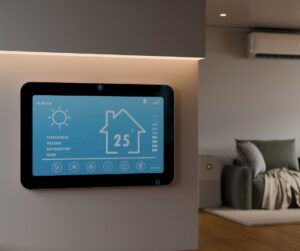
A smart thermostat can be useful in a Bend home, but it is not a universal efficiency upgrade. The right control has to match the home’s heating and cooling equipment, wiring, backup heat and daily routine. Before choosing a model—or treating one as a meaningful feature during a home purchase—start with the HVAC system it will control.
Quick answer: when is a smart thermostat a good fit?
A compatible smart thermostat can add remote control, scheduling, occupancy-based adjustments and better visibility into how a system runs. ENERGY STAR-certified models are independently evaluated using field data, but actual results still depend on the home, equipment, settings and occupants.
The thermostat is only the control. It cannot repair failing equipment, seal leaky ducts, add insulation or correct poor system sizing. In a Bend home, the better question is not “Is the thermostat smart?” but “Is the entire heating and cooling setup appropriate, documented and working as intended?”
Confirm the HVAC system before choosing a thermostat
Compatibility varies. Identify the equipment by model number and configuration before buying a thermostat or assuming an installed one is correct.
- Forced-air furnace and central air: many smart thermostats are designed for conventional low-voltage systems, but the wiring and number of heating and cooling stages still matter.
- Heat pump: the thermostat must support the specific heat-pump configuration, including auxiliary or emergency heat when present. The installer also needs to configure the changeover and backup-heat settings correctly.
- Variable-speed or communicating equipment: some high-efficiency systems rely on a manufacturer-specific controller. ENERGY STAR advises checking with the equipment manufacturer rather than assuming a third-party thermostat will preserve every function.
- Ductless mini-split, boiler, radiant or electric baseboard heat: these systems may use proprietary, line-voltage or otherwise specialized controls. A conventional smart thermostat may not be compatible.
When a buyer is reviewing a home, the HVAC age, model, service history and remaining condition usually matter more than the thermostat brand. That is the same systems-first approach we use for roofs, electrical panels and other expensive components.
Check wiring and power requirements
Many smart thermostats need continuous low-voltage power, commonly supplied through a C-wire. Some models can use an approved adapter or another supported setup, but compatibility should come from the thermostat and HVAC documentation—not wire color alone.
Before installation, photograph the existing terminals, record the equipment model numbers and confirm the wiring plan. If the system has multiple stages, a heat pump, zoning, a humidifier or proprietary controls, an HVAC professional is the safer route. A thermostat wired or configured incorrectly can create comfort problems or call the wrong heating stage.
Use different scheduling logic for heat pumps
Large temperature setbacks are not automatically efficient. The U.S. Department of Energy notes that, in heating mode, some heat-pump setbacks can trigger less-efficient backup heat and offset the expected savings. A thermostat designed and configured for heat-pump operation may manage recovery differently, but the appropriate schedule still depends on the equipment.
See the Department of Energy’s current programmable-thermostat guidance, then follow the equipment and thermostat instructions for the specific home. For many heat-pump households, a moderate, stable setting is a better starting point than an aggressive overnight setback.
Features that can be genuinely useful in Central Oregon
- Remote access: useful for travel, a second home or an unexpected schedule change.
- Alerts: temperature, humidity or equipment-run-time alerts can prompt a closer look, though they do not replace maintenance or diagnosis.
- Room sensors: helpful for understanding temperature differences, provided the HVAC system can actually address them.
- Vacation settings: convenient for an unoccupied property, but not a substitute for winterization, freeze protection or a local check-in plan.
- Energy reports: useful for comparing patterns over time, especially alongside utility bills and weather changes.
Place the thermostat or remote sensors away from direct sun, supply registers, fireplaces and other unusual heat or cold sources. A smart control will still make poor decisions if its temperature reading does not represent the living space.
A buyer’s smart-thermostat checklist
During due diligence, treat the thermostat as one clue within a larger system review:
- Record the thermostat, furnace, air conditioner or heat-pump model numbers.
- Ask for HVAC service records and any installer documentation.
- Confirm that heating, cooling, fan and any auxiliary-heat modes operate correctly during the appropriate inspection.
- Ask whether zoning, remote sensors or other accessories are part of the sale.
- Confirm how the seller will remove the device from their account and transfer or reset access.
- Review available utility history instead of assuming the thermostat produces a specific savings amount.
- Have a qualified specialist evaluate unfamiliar controls or equipment rather than guessing from the wall display.
Our guides to heating costs and home systems and the hidden costs of Central Oregon homeownership provide a broader framework for that review.
Look at the building envelope, not just the control
A thermostat cannot compensate for major air leakage, inadequate insulation, failed windows or neglected equipment. If comfort or operating cost is the real concern, consider the whole house: HVAC condition, ducts, filtration, air sealing, insulation, windows and ventilation.
Related Bend Relo resources include our guides to home insulation, energy-efficient windows and attic ventilation in a high-desert climate.
Check current incentives before buying
Rebate eligibility can depend on the utility, heating fuel, equipment type, thermostat model, installation method and application timing. Check the current Energy Trust of Oregon thermostat information and the ENERGY STAR rebate finder before purchasing. Do not assume an older incentive amount or a neighbor’s eligibility applies to a different property.
The bottom line
A smart thermostat can be a practical control upgrade when it matches the HVAC system and is configured correctly. For a buyer, it should never distract from the more important questions about equipment age, service history, system compatibility and actual operating costs.
If you are comparing Bend homes and want help evaluating the property—not just the finishes—contact Bend Relo. We can help you identify the right questions and bring in the appropriate specialist when a system needs a closer look.
- bendrelo.com — Property search and relocation planning
- movingtobend.com — Lifestyle insights and relocation tips
- bendrelocationservices.com — Professional relocation support
Talk with David & the Bend Relo team
Buying, selling, relocating, or evaluating a specific property? Tell us what you are working through. We are happy to help.