


An open floor plan works well when the space supports the way you actually live. In Bend, that means looking past the first impression of a bright great room and testing noise, cooking ventilation, furniture placement, storage, temperature control, privacy, and the path between daily-use spaces.
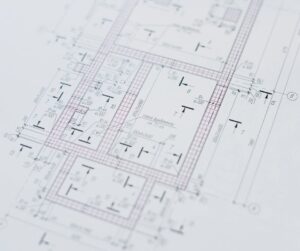
Some buyers want one connected kitchen, dining, and living area. Others need a door that closes for calls, homework, guests, or quiet evenings. Neither preference is inherently better. The useful question is whether this particular layout fits your household without requiring an expensive correction after closing.
Start with your intended use
Before touring, write down the activities the main floor needs to handle on an ordinary weekday and on a busy weekend. Consider who cooks, who works from home, where children or pets spend time, how often guests stay, and whether anyone needs a quiet room or a low-barrier path through the home.
This simple exercise makes a showing more productive. Instead of asking whether the home feels “open,” you can ask whether the layout supports the moments that matter:
- Can two people prepare food without blocking the main walkway?
- Can someone watch television while another person reads or joins a video call?
- Is there a place for backpacks, dog gear, skis, or groceries before they reach the living room?
- Can guests move between the entry, kitchen, dining area, patio, and bathroom without cutting through a work zone?
- Is there at least one room or alcove that can become quiet when the rest of the house is active?
That intended-use test is more reliable than a general rule about open or closed layouts. It also helps your agent compare homes on function, not just square footage or staging.
Test the room during the showing
Open rooms can look larger when they are sparsely furnished. Mentally place the furniture you actually own, including dining chairs when pulled out, a sectional or sofa, side tables, media equipment, and any work surface. Then walk the likely circulation paths.
Sightlines
Stand at the front door, kitchen sink, dining table, and primary seating area. Decide which views you want to preserve and which ones you would rather screen. A connected room can make supervision and entertaining easier, but it can also put dishes, mail, toys, or a television in view from nearly everywhere.
Circulation
Look for routes that pass directly through a seating group or the kitchen work area. Door swings, refrigerator clearance, island stools, and pulled-out dining chairs can narrow a path that appeared generous in listing photos.
Furniture and outlets
Identify the natural wall for a television, bookcase, or artwork. Check whether floor registers, windows, doors, and traffic paths leave enough uninterrupted wall space. Note outlet locations before assuming a large room can be divided into multiple functional zones without cords crossing the floor.
Sound
Pause in different parts of the home while other members of your group talk or move around. Hard flooring, tall ceilings, stair openings, and large connected volumes can carry sound. Rugs, curtains, upholstered furniture, and acoustic treatments may help, but they do not create the same separation as a wall and door.
Give the kitchen special attention
In an open plan, cooking conditions affect the living and dining areas directly. Check the range hood, where it exhausts, how loud it is, and whether replacement air or additional ventilation may be needed for a powerful appliance. A recirculating unit is different from a hood that sends air outdoors.
The U.S. Environmental Protection Agency recommends an outdoor-venting range hood when possible and using ventilation during and after cooking. During your inspection period, confirm the actual installation and operation rather than relying only on the appearance of the hood.
Also test practical clearances. Open the refrigerator, dishwasher, oven, pantry, and nearby doors. Imagine one person cooking while another unloads groceries or walks to the patio. A large island can be useful, but its size does not automatically mean the surrounding work aisles function well.
Plan for work, privacy, and changing needs
Remote and hybrid work make separation more valuable for many households. An open loft or desk niche can be fine for occasional email, but calls and focused work usually benefit from a closable room. Before treating a bedroom as a permanent office, think through guest needs, resale flexibility, natural light, and whether the room has the power and connectivity you need.
For a broader due-diligence list, see our guide to evaluating a Bend home for remote work.
Flexible space can come from a den, pocket doors, a bedroom away from the great room, a finished bonus room, or simply a layout with good visual and acoustic separation. The important point is to identify the tradeoff before you buy. Furniture can suggest zones, but it cannot fully replace privacy.
Consider daylight, heat, and whole-home comfort
Large windows and an open great room can make a home feel bright, yet the same room may experience glare, solar heat gain, cold glass surfaces, or uneven temperatures at different times of day. Note window direction, overhangs, exterior shading, ceiling height, fireplace location, supply registers, return-air paths, and thermostat placement.
The U.S. Department of Energy describes high-performance design as a whole-house systems approach: windows, insulation, air sealing, HVAC, lighting, appliances, and climate interact. For a buyer, that means a comfort concern should not be reduced to one visible feature. Ask for utility history when available, review service records, and use qualified inspectors or contractors when further evaluation is warranted.
Visit at a second time of day if the room’s light and temperature are important to your decision. Listing photos cannot show afternoon glare, winter drafts, or how a vaulted room distributes heated air.
Follow the storage path
Open layouts leave fewer walls for cabinets, shelves, and concealed storage. Walk the route from the garage or driveway to the kitchen. Look for a pantry, coat storage, a place for shoes, and enough landing space for groceries. In Central Oregon, it is also worth thinking about seasonal gear: bikes, helmets, skis, snow clothes, camping equipment, and wet or dusty dog supplies.
A beautifully staged great room may still need freestanding storage that changes the circulation or sightlines. Measure closets and cabinets, and compare them with what you use now. If the garage is expected to absorb the difference, confirm that vehicles, bins, and recreation equipment can coexist.
Evaluate accessibility and everyday movement
A connected main floor can reduce unnecessary doors and hallways, but accessibility depends on details. Check exterior steps, thresholds, floor transitions, hallway and doorway widths, bathroom configuration, and whether essential rooms are on the same level. If accessibility is a current or future priority, involve an appropriate design or construction professional before relying on assumptions from a quick tour.
Also look at the relationship between the kitchen, laundry, bedrooms, garage, and outdoor living areas. A plan that photographs well may create long daily routes or awkward turns once the home is furnished.
Before removing or adding a wall
Do not assume an open layout can be created—or partially enclosed—with a simple cosmetic project. A wall may carry structural loads or contain wiring, plumbing, ductwork, or mechanical equipment. The proposed change can also affect ventilation, lighting, smoke-alarm placement, egress, and how heating and cooling reach adjacent rooms.
Oregon’s Building Codes Division notes that adding, moving, or removing walls commonly requires a permit, with limited exceptions that do not eliminate other code considerations. The City of Bend likewise advises property owners to determine required permits and inspections before beginning structural, electrical, plumbing, or mechanical work. Review the city’s property-owner permitting guidance and confirm the scope with the jurisdiction before budgeting a remodel.
During the purchase process, ask about prior alterations and available permit history. Your general home inspection is an important starting point, but inspectors may recommend specialized review when they see structural movement, unusual framing, electrical changes, or altered mechanical systems. Our home-inspection guide for buyers explains how to use that period deliberately.
A practical open-floor-plan checklist
- Daily use: Does the layout support cooking, relaxing, work, homework, pets, and guests at the same time?
- Circulation: Are the main walkways clear when furniture, stools, and appliance doors are in use?
- Noise: Is there a closable quiet room, and how easily does sound travel?
- Kitchen: Does the hood vent outdoors, and do the work aisles function with more than one person?
- Light and comfort: How might window direction, shading, ceiling height, and HVAC distribution affect the room?
- Storage: Is there a realistic place for pantry goods, coats, shoes, recreation gear, and household clutter?
- Furniture: Are there usable walls, outlets, and dimensions for what you already own?
- Privacy: Which activities will be visible or audible from the entry, kitchen, and living room?
- Future changes: Would a wall, door, or built-in require design, engineering, electrical, HVAC, or permit work?
- Evidence: Have you reviewed permits, inspections, service records, and contractor estimates before assigning a remodel budget?
Compare the layout, not the label
“Open concept” covers many different plans. One home may offer a connected great room plus a quiet den and useful mudroom. Another may devote nearly every main-floor square foot to one volume with little storage or privacy. Compare the details that affect your life rather than assuming the label predicts livability or resale value.
If you are early in the process, the Bend home-buying timeline can help you organize showings, due diligence, inspections, and closing steps.
For help comparing Bend and Central Oregon homes against your actual day-to-day needs, start with Bend Relo, explore our moving-to-Bend resources, or use the Bend Relocation Services contact path to tell us what matters most in your next home.
Talk with David & the Bend Relo team
Buying, selling, relocating, or evaluating a specific property? Tell us what you are working through. We are happy to help.





