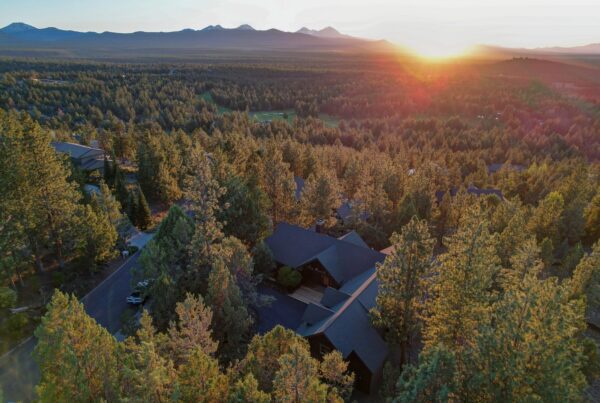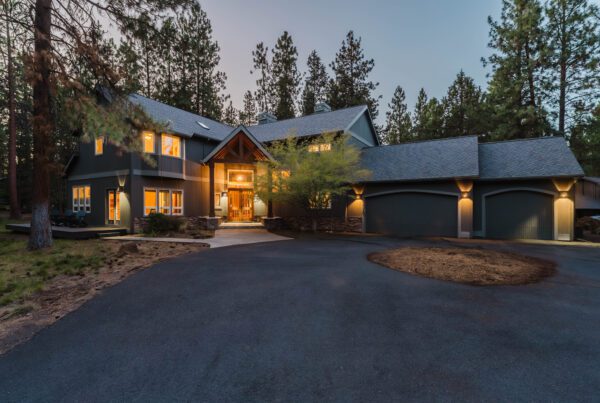

A Bend home can look perfect for an outdoor lifestyle and still be awkward once bikes, skis, wet boots, dogs, trailers and changing seasons enter the picture. The useful question is not whether a listing has “outdoor features.” It is whether the property fits the way you actually recreate, store equipment, clean up, travel and maintain a home.
Start with your normal week, not a wish list. Where will gear live? Can it dry safely? Will the vehicle fit with the rooftop box attached? Is the route to a favorite trailhead practical during peak traffic or winter weather? The answers are property-specific and often more important than a generic list of amenities.
Map your routine before touring homes
Write down the activities you do most often, the equipment each one requires and how frequently you use it. Separate daily-use gear from seasonal or occasional equipment. A commuter bike, dog leash and running shoes need a different setup than paddleboards, skis, a drift boat or a camper.
For each activity, follow the full sequence: leave the house, load the vehicle, return with wet or dirty equipment, clean it, dry it, secure it and put it away. This exposes needs that listing photos rarely show, including hose access, floor drainage, ventilation, charging outlets, door width and the distance between parking and storage.
Measure the garage and storage path
“Two-car garage” is not a measurement. Record the garage-door height and width, interior depth, ceiling clearance, wall space and the location of stairs, water heaters, furnaces, panels and overhead-door tracks. Confirm whether your vehicles fit with hitch racks or roof boxes installed and whether doors can open once gear is stored.
Trace the path from the driveway to the storage location. Long skis, bikes, kayaks and rooftop boxes may not clear a tight turn or narrow interior door. If you expect to add racks, lifts, a workbench or charging equipment, identify what will carry the load and whether electrical work or structural attachment needs professional review.
Our deeper Bend home-storage checklist covers garage dimensions, sheds, unfinished spaces, moisture and permit history in more detail.
Plan for wet, muddy and snowy returns
A useful drop zone does not have to be a formal mudroom. Look for a durable route from an exterior door to storage, laundry and a place where boots, gloves and outerwear can dry. Check flooring condition, ventilation, heat, water access and where runoff will go.
Look closely at snowmelt and drainage near the garage, side doors and exterior storage. A hose or utility sink is helpful only if the plumbing is protected from freezing and the surrounding finishes can handle repeated moisture. Ask how exterior faucets and irrigation are winterized and where snow is normally stored after plowing or shoveling.
Check security, fire safety and ventilation
Outdoor equipment can be valuable and difficult to replace. Confirm that doors, windows and gates close securely and that the storage plan does not block required exits, electrical panels, heating equipment or vehicle access. Ask your insurer how high-value bikes, boats or specialized equipment are covered and whether scheduled coverage is appropriate.
Batteries, fuels, waxes, solvents and propane require more thought than a row of hooks. Review manufacturer storage instructions and keep charging equipment, combustible materials and heat sources appropriately separated. If a garage or shed smells damp or strongly of fuel, look for the cause rather than treating it as a cosmetic issue.
Verify vehicle, trailer and RV fit
Measure the full vehicle or trailer combination, including mirrors, racks, hitch extensions and slide-outs. Then check driveway width, slope, turning room, gate openings, overhead branches, utilities and the ability to enter or leave without crossing landscaping or a neighbor’s property.
Do not assume that visible parking means approved parking. Review recorded covenants, HOA rules, local parking requirements and any limitations affecting boats, trailers, vans or RVs. The City of Bend’s current parking-code information addresses street-parking rules, but on-site use may also depend on zoning, easements, development approvals and private restrictions.
Verify improvements and intended use
Sheds, converted garages, covered patios, exterior electrical work, hot tubs and added plumbing may affect how an outdoor household uses the property. Confirm what was permitted, what received final inspection and whether the current configuration matches the records.
The City of Bend’s Online Permit Center can be used to look up property information and track permit or inspection status. For properties outside the city, Deschutes County’s DIAL property-information system provides county property records and maps. These databases are starting points; unclear records should be discussed with the appropriate jurisdiction and qualified professionals.
Evaluate recreation access at the actual address
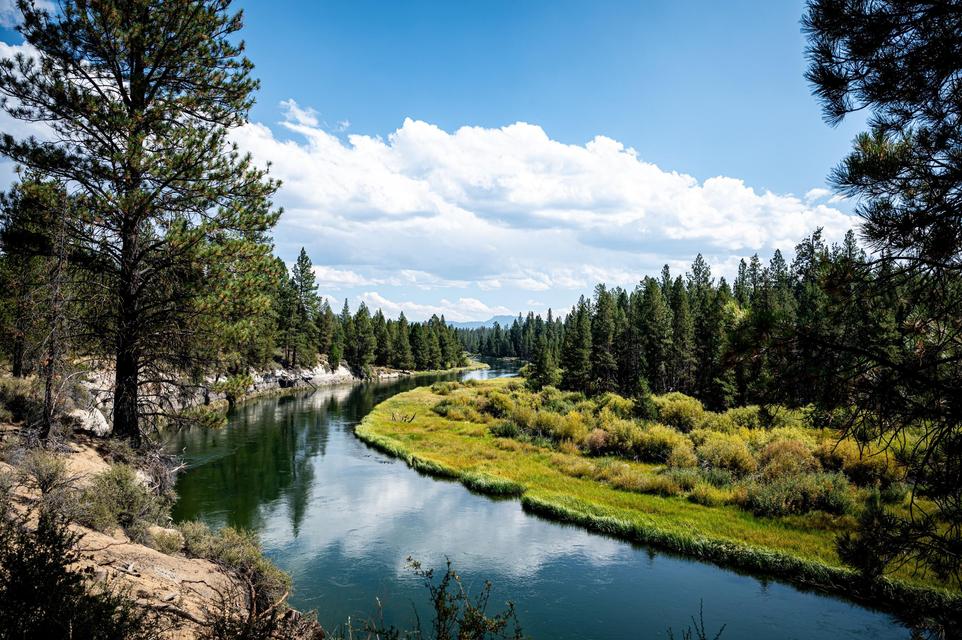
“Near trails” can mean a neighborhood connector, a paved multi-use path, an unmaintained social trail or a drive to a trailhead. Map the exact route from the property and test it at the time and season that matter to you. Note crossings, lighting, surface, grade, winter maintenance, parking and whether the route is appropriate for your intended activity.
Bend Park & Recreation District publishes official trail maps. Deschutes National Forest posts alerts and closure notices for federal recreation areas. Access and conditions can change, so verify current information rather than relying on a listing description.
For a deeper property-level review of boundaries, easements, parking, noise and trail use, see our guide to buying a Bend home near trails.
Inspect outdoor living areas as property systems
A deck, patio, fire feature or hot tub should be evaluated for condition, drainage, utilities, permits, privacy, wind and seasonal maintenance—not just photographed as an amenity. Observe sun and shade at the time you expect to use the space. Check how snow, irrigation and roof runoff affect walking surfaces and nearby foundations.
Our outdoor-living-area checklist covers structures, utilities, fire features, wildfire exposure and ongoing costs without assuming that every amenity adds equal value.
Include wildfire exposure in the property fit
Outdoor access often comes with vegetation, slope, open space or forest interface. Look beyond the view. Consider roof and gutter condition, access for emergency vehicles, address visibility, decks and fencing, combustible storage, nearby vegetation and who is responsible for maintaining common or adjacent land.
The Oregon State Fire Marshal offers defensible-space guidance and assessments. Use that resource as part of a property-specific conversation with the seller, insurer, inspector and local fire authority. Do not assume that a landscaped yard, greenbelt or HOA maintenance plan answers every wildfire or insurance question.
Compare ownership effort, not just features
A large garage, acreage, private road, wooded lot or elaborate outdoor space can solve one lifestyle problem while adding maintenance, insurance or utility costs. Ask who plows the road, maintains drainage, repairs shared access, manages vegetation and services wells, septic systems or irrigation when they apply.
Rank each feature by how often you will use it, what it costs to maintain and whether the property can support it without major work. A modest home with a clean gear route and reliable access may fit better than a larger property with impressive but impractical amenities.
Outdoor-household tour checklist
- Measure vehicles, racks, trailers and the complete garage or storage path.
- Identify where daily gear will be stored, cleaned, dried and charged.
- Check drainage, ventilation, winterization and snow-storage areas.
- Verify doors, gates, locks, exits and insurance questions for valuable equipment.
- Review HOA rules, covenants, easements, zoning and parking restrictions.
- Research permits and final inspections for sheds, conversions, patios, plumbing and electrical work.
- Map the exact recreation route and verify the responsible agency’s current access information.
- Evaluate wildfire exposure, emergency access and vegetation responsibilities.
- Estimate the maintenance and ownership cost of every outdoor-oriented feature.
Choose for the life you actually live
The best Bend home for an outdoor household is not defined by one feature or neighborhood. It is the property that supports your real equipment, vehicles, cleanup routine, access needs, maintenance tolerance and budget. A careful tour turns “outdoor lifestyle” from marketing language into specific questions you can verify.
Bend Relo can help relocation buyers compare those tradeoffs at the property level and build a due-diligence plan around the way they intend to live in Central Oregon.
- bendrelo.com — Property search and real estate guidance
- movingtobend.com — Bend lifestyle and relocation information
- bendrelocationservices.com — Relocation support
Talk with David & the Bend Relo team
Buying, selling, relocating, or evaluating a specific property? Tell us what you are working through. We are happy to help.