

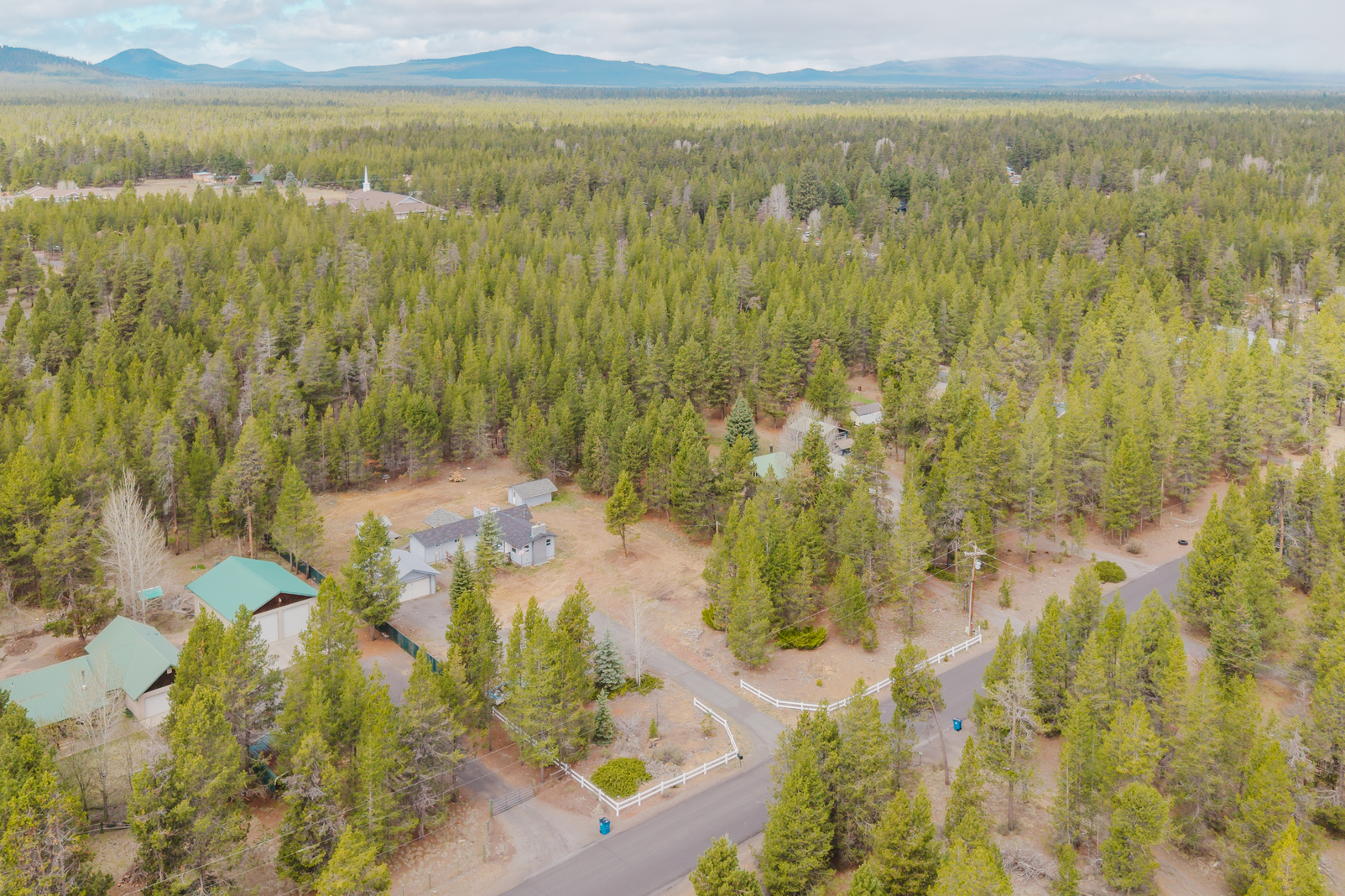

Bend is adding homes in more than one way. Some growth is happening on land brought into the city through urban growth boundary expansion. Some is taking shape through infill and redevelopment inside established parts of town. And some buyers who begin with a Bend search ultimately compare homes in Redmond, a separate city with its own plans, services and trade-offs.
That makes a simple list of the “fastest-growing neighborhoods” less useful than it sounds. A planning map is not a construction schedule, and new development does not guarantee future appreciation. The better question is: what kind of change is planned near a property, how far along is it, and does it fit the way you want to live?
How Bend grows: out, in and up
Bend’s adopted growth plans distinguish between expansion areas at the city’s edge and opportunity areas intended for infill or redevelopment. The 2016 urban growth boundary process added 2,380 acres and identified nine opportunity areas inside the existing city.
That framework matters because “inside the urban growth boundary” does not necessarily mean “inside city limits,” fully serviced or ready for a building permit. Annexation, zoning, infrastructure, subdivision approval and construction can happen on different timelines. The City’s current growth information says that 1,430 of the 2,380 acres added in 2016 have been annexed, while also cautioning that land counted as buildable may still need water, sewer, road improvements, environmental review or coordination among owners.
For a buyer, the practical takeaway is simple: verify the status of the specific parcel and surrounding projects. Do not treat a colored area on a long-range map as a promise about when streets, shops, parks or homes will arrive.
Southeast Bend: an adopted plan with multiple moving parts
Southeast Bend is one of the clearest places to see the difference between a plan and on-the-ground development. The City adopted the Southeast Area Plan in 2021 for the area previously called the Elbow Expansion Area. The plan is intended to support a “complete community” where people can live, work, shop and play.
The adopted work addresses land-use designations, zoning, infrastructure, parks, schools, open space and funding strategies. Even so, individual property owners still must pursue annexation and development approvals consistent with the plan. That means two nearby properties can have very different outlooks depending on ownership, entitlements, utility extensions and road improvements.
A buyer comparing homes in southeast Bend should look beyond the age of the house or the promise of future amenities. Ask which improvements are already funded, which are conditions of a particular development, and which remain long-range concepts.
Northeast Bend: confirm the project, not just the direction
Northeast Bend also includes expansion land and active development, but “northeast” covers a large area. The City’s UGB Expansion Areas map is a useful starting point for identifying official planning areas. It is not a substitute for checking a specific development application, recorded plat or infrastructure project.
When evaluating a home near new construction, identify exactly what is proposed and by whom. A subdivision, apartment site, school property, commercial parcel and undeveloped tract can affect daily life in different ways. Construction traffic may be temporary; a new road connection or land use may be lasting. The relevant records are parcel-specific, not neighborhood-wide assumptions.
Infill and redevelopment can change established areas too
Growth is not limited to Bend’s edges. The City also plans for more homes and jobs through infill, redevelopment and mixed-use areas. In an established neighborhood, that can mean an additional dwelling on one lot, a larger redevelopment project, or gradual changes to nearby streets and services.
Buyers sometimes assume an established block will stay exactly as it appears on showing day. That is rarely a safe assumption. Before relying on an open view, informal parking area or quiet vacant parcel, check ownership, zoning, recorded easements and pending applications. Our guide to Bend’s urban growth boundary explains more of the difference between boundary changes and actual development readiness.
Redmond is a separate comparison, not a Bend neighborhood
Redmond can be a useful alternative for buyers who are open to a different community, commute pattern and housing mix. It should not be grouped with Bend neighborhoods, however. Redmond has its own Comprehensive Plan 2040, development rules and infrastructure priorities.
Redmond’s official demographic information documents long-term household growth and an increased share of Deschutes County’s population through 2021. Those figures help explain why the city plans actively for growth, but they do not establish which community is currently “fastest,” what a particular home should cost or how a buyer’s commute will feel. Compare the actual route, schedule, services and neighborhood setting that matter to your household.
A buyer’s growth-area due-diligence checklist
When a home is marketed around future growth or new amenities, work through the following questions before treating the story as a benefit:
- Which jurisdiction controls the property? Confirm whether it is in the City of Bend, another city or unincorporated Deschutes County.
- What is adopted versus conceptual? Separate a comprehensive-plan designation from an approved development application, recorded plat or funded capital project.
- Has the land been annexed and zoned? UGB inclusion, annexation, zoning and development approval are different steps.
- What infrastructure exists today? Verify streets, water, sewer, stormwater and other services rather than assuming they follow immediately from a plan.
- What could be built nearby? Review adjacent parcels, zoning, easements and active land-use files. Pay particular attention to a view or access route you consider essential.
- What will construction mean day to day? Ask about phasing, truck routes, temporary closures and the likely duration of nearby work.
- Which amenities are real and accessible? Confirm whether trails, parks, schools or commercial spaces are public, private, funded, built or merely shown in concept materials.
- What obligations come with the home? Read the recorded plat, HOA documents, design standards and any special assessments or maintenance responsibilities.
- Does the location work now? Test your commute, shopping route and recreation access using current conditions. Future conveniences should be a bonus, not the only reason the property works.
Growth does not predict a home’s future value
New infrastructure and nearby development can change demand, traffic, views, taxes, services and neighborhood character. Those effects are property-specific and can be positive, negative or mixed. No planning designation guarantees appreciation, resale demand or a particular timeline.
For value decisions, pair planning research with current comparable sales, the home’s condition, ownership costs and your likely holding period. For lifestyle decisions, focus on how the area works today and what documented changes you are comfortable living through.
Choose the home first, then verify the growth story
The most useful way to compare Bend’s growth areas is not to chase a ranking. It is to understand the path from plan to construction and investigate the parcels that could affect your daily life. That keeps a buyer’s decision grounded in evidence instead of a sales pitch about what an area might become.
If you are comparing Bend neighborhoods or Bend with Redmond, Bend Relo can help organize the property, planning and lifestyle questions before you commit. Start with our Bend neighborhood comparison guide, explore current homes at BendRelo.com, or use Bend Relocation Services for a broader move plan.
Talk with David & the Bend Relo team
Buying, selling, relocating, or evaluating a specific property? Tell us what you are working through. We are happy to help.





