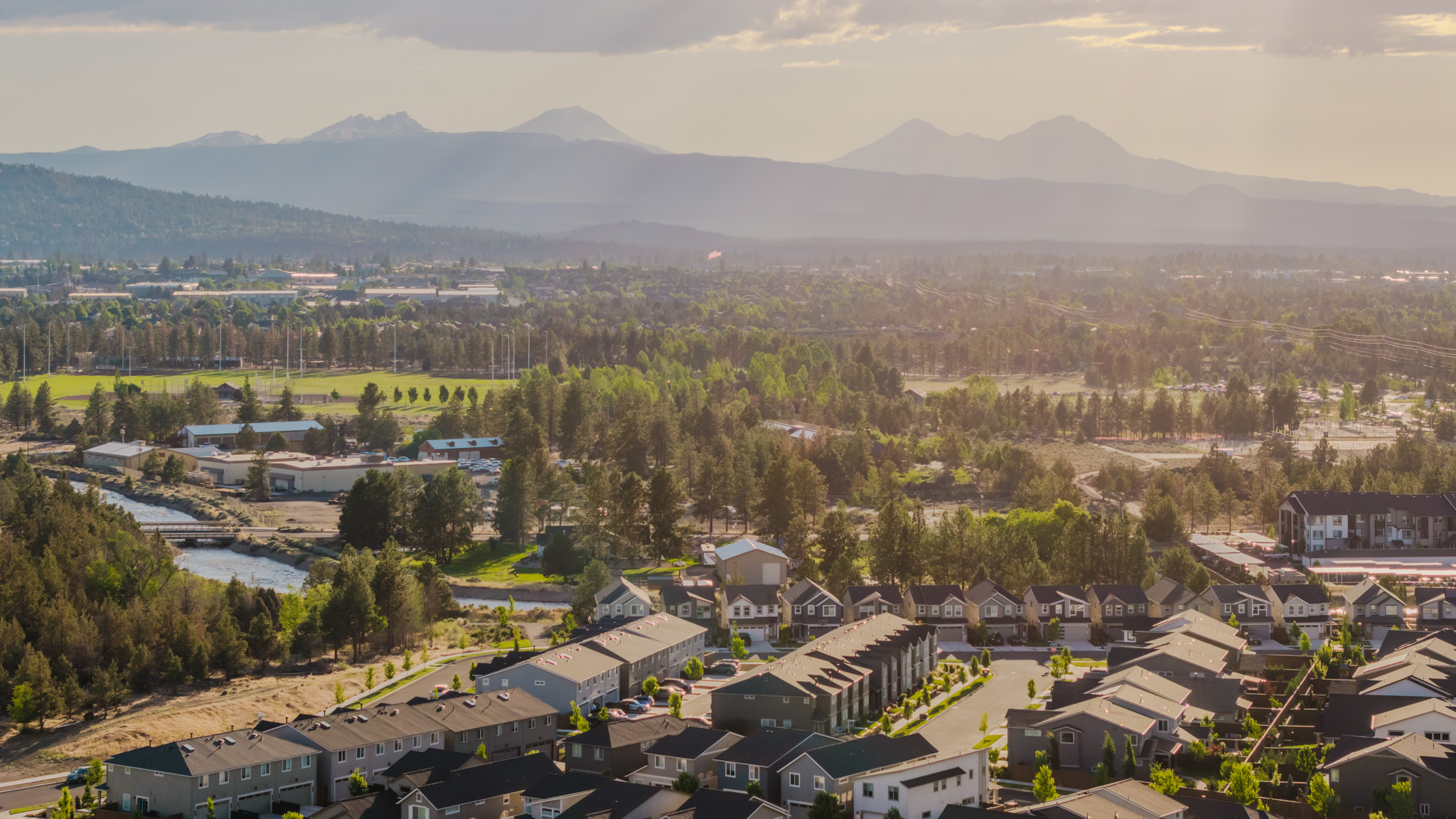

The best Bend neighborhood is the one that makes your real week work. Start with the routes, activities and property features you will use most often, then verify the details at the exact address. A neighborhood name is useful for orientation, but it does not tell you the school assignment, HOA rules, utilities, road conditions, insurance options or what may happen on the parcel next door.
Bend Relo’s approach is to compare daily life and property-specific due diligence together. That keeps a beautiful kitchen or a popular neighborhood label from distracting you from the questions that will still matter after move-in.
1. Map your ordinary week before you map neighborhoods
Write down the places you expect to visit regularly: work, school, medical care, groceries, family, a trailhead, the river, a gym or a favorite part of town. Rank them by frequency. A destination you use five days a week should carry more weight than an attraction you may visit once a month.
Then test actual routes from homes you are considering. Drive them at the times you expect to travel, including a weekday morning and late afternoon. If you plan to bike, walk or ride transit, test that route too. The Cascades East Transit Bend route page is the right place to confirm current service; CET advises riders to use its own information for current routes and alerts.
For relocation buyers, it can help to separate “Bend access” into three questions:
- How long does the routine trip take?
- Is the route comfortable in the season and time of day when you will use it?
- What alternative route will you use during road work, snow or a major event?
2. Compare the exact home, not a neighborhood stereotype
The City of Bend recognizes 13 Neighborhood Districts, but those civic districts are not the same thing as homeowners associations or marketing names used in listings. The City explains the difference and provides an interactive district map on its Neighborhood Districts page.
Two homes described with the same neighborhood name can have different street exposure, lot shape, construction era, governing rules and nearby land uses. Before treating a location as a fit, check:
- City or county jurisdiction and current zoning
- HOA documents, CC&Rs, dues and planned assessments, if any
- Public or private road maintenance
- Water, sewer or septic service and other utilities
- Adjacent ownership, zoning and known development applications
- Whether your intended use—such as an ADU, shop, home business or RV storage—is actually allowed
Deschutes County DIAL provides property records, maps, service-provider information and development history for individual properties. Inside the city, the City of Bend Community Development Data Explorer can help you review tax-lot zoning, permit history and current land-use applications. These tools are starting points; confirm important findings with the responsible agency and the appropriate specialist during due diligence.
3. Decide what kind of housing stock and lot you want
Neighborhood fit is partly a property-type decision. A newer planned community may offer a more consistent streetscape, modern systems and shared amenities, but it may also have smaller lots or more detailed use rules. An older area may offer mature landscaping, varied architecture or a closer-in location, while individual homes can require more investigation of roofs, electrical systems, heating equipment, drainage and past remodeling.
If your goal includes extra vehicles, a shop, a large garden, an accessory dwelling unit or room for outdoor gear, put that intended use near the top of the checklist. Do not assume that lot size alone makes it possible. Zoning, setbacks, easements, HOA restrictions, utilities and existing improvements can all change the answer.
4. Verify schools by address
If schools affect your search, avoid relying on a listing label or a generalized neighborhood map. Bend–La Pine Schools assigns neighborhood schools by residential address and directs families to use DIAL or its current attendance-area maps. Check the exact address on the district’s Attendance Areas page, and recheck before making a decision because boundaries can change.
This is also a good place to separate objective logistics from subjective impressions. Confirm the assigned schools, transportation options and program details directly; then decide how those facts fit your household. Our guide to buying a home near Bend schools provides a deeper property-search checklist.
5. Test recreation and walkability from the front door
“Near trails” or “walkable” can mean very different things. Look at the actual route from the property. Is there a continuous sidewalk or comfortable bike connection? Does a road crossing change the trip? Is the nearby trail open to the activity you have in mind? Will you drive to a trailhead anyway because of gear or seasonal conditions?
The Bend Park & Recreation District park locator and official trail maps are better sources than a listing’s distance estimate. If access to open space matters, also review our guide to buying near public open space. Verify access, allowed uses, parking and seasonal conditions rather than assuming nearby land is public or permanently accessible.
6. Visit more than once
A short showing cannot reveal every location tradeoff. Return at times that mirror your life:
- Weekday commute hours
- School arrival or pickup time, when relevant
- After dark
- A weekend morning or evening
- During weather that affects the route, when practical
Listen for traffic and activity, notice street lighting and parking, and watch how you enter and leave the area. Ask yourself whether the route and setting still work when you are tired, carrying groceries or managing winter conditions—not only on a clear afternoon.
7. Compare the full cost of the location
The purchase price is only one part of neighborhood fit. Compare property-specific costs that may differ between otherwise similar homes:
- HOA dues and special assessments
- Insurance availability and quoted premium
- Heating, cooling, water, sewer or septic costs
- Expected maintenance for the home, lot and access road
- Fuel, time and vehicle wear for routine trips
Obtain an insurance quote for the exact property early enough to use it in your decision. Wildfire, roof condition, prior claims and other underwriting factors are property- and carrier-specific. The Oregon Division of Financial Regulation publishes consumer information and assistance, and our home-insurance cost guide for Bend buyers explains what to ask before closing.
A practical Bend neighborhood scorecard
Use the same scorecard for every serious candidate so one memorable feature does not overpower the rest of the decision:
- Daily routes: Test the two or three trips that matter most.
- Housing fit: Confirm the home type, lot and systems support your plans.
- Address facts: Verify schools, jurisdiction, zoning, utilities, HOA rules and adjacent land.
- Recreation and access: Walk or drive the real route and check official maps.
- Time-of-day fit: Revisit when traffic, parking, noise and lighting may be different.
- Full cost: Add insurance, dues, utilities, maintenance and routine travel.
When two neighborhoods both look promising, the right question is not which one is “best.” It is which tradeoffs fit your household, your intended use and the way you expect to live.
Plan a property-specific neighborhood search
Bend Relo can help you turn lifestyle priorities into a practical search, compare locations without relying on stereotypes, and identify the address-specific questions that need authoritative answers before you commit.
- bendrelo.com — Property search and relocation planning
- movingtobend.com — Lifestyle insights and relocation tips
- bendrelocationservices.com — Professional relocation support
Talk with David & the Bend Relo team
Buying, selling, relocating, or evaluating a specific property? Tell us what you are working through. We are happy to help.