

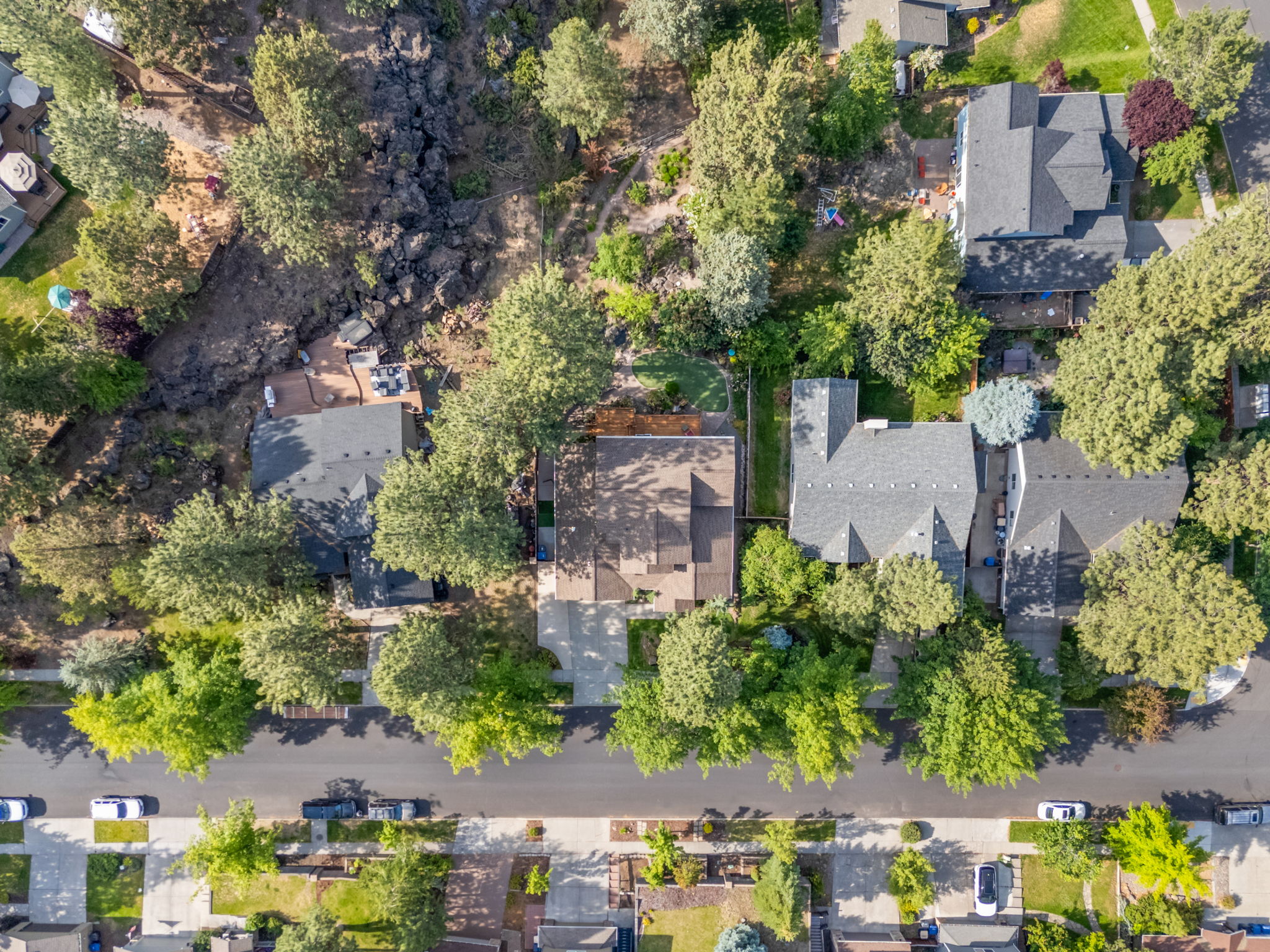
Outdoor living can help a Bend home make a stronger first impression, but no deck, patio, fire feature, or outdoor kitchen guarantees a higher sale price. Before spending money, a seller should ask a simpler question: will this project make the property easier to understand, use, maintain, and compare with nearby alternatives?
That distinction matters in Central Oregon. A comfortable outdoor area can support the lifestyle buyers picture here, yet an expensive improvement with deferred maintenance, missing permits, awkward access, or heavy water demands may create more questions than enthusiasm. The best pre-sale plan is usually to repair and clarify what already exists before building something new.
Start with the outdoor space you already have
Walk the property as a buyer would. Begin at the front approach, then move through the primary door to the backyard or patio. Look for small points of friction that make an otherwise useful space feel unfinished:
- loose deck boards, unstable railings, cracked pavers, or uneven steps;
- peeling stain, rusted hardware, damaged screens, or tired outdoor fixtures;
- sprinkler overspray, leaking drip lines, drainage problems, or standing water;
- overgrown plants that block walkways, windows, views, or usable seating areas;
- outdoor furniture that makes the space feel crowded rather than functional; and
- projects that were completed without clear permit or contractor records.
Safety, condition, and documentation come first. A polished staging plan cannot compensate for a visibly deteriorated deck or a buyer question that cannot be answered. If you are already preparing the rest of the property, use the same discipline outlined in our Central Oregon home-inspection checklist for sellers.
Use a four-part test before adding anything
1. Does it solve a real usability problem?
A useful project has a clear job. It might create shade near the main gathering area, improve the connection between the kitchen and patio, define a dining zone, or make an existing entry safer. A project that solves an obvious problem is easier for a buyer to understand than a feature added only because it is currently popular.
2. Does it fit the property?
Lot size, orientation, wind exposure, privacy, mature trees, neighboring windows, and the route from the house all affect whether an outdoor area works. A large installation can overwhelm a compact yard. On another property, a modest seating area in the right location may feel more intentional and useful.
For a broader planning framework, see our guide to year-round outdoor living in Bend. It covers shade, weather protection, circulation, storage, lighting, and seasonal maintenance without assuming that every property needs the same solution.
3. Will the next owner understand the upkeep?
Buyers notice maintenance obligations as well as amenities. Be ready to explain the age and condition of decking, irrigation, gas or electrical components, built-in appliances, covers, heaters, and landscape materials. Collect manuals, receipts, warranties, permits, and contractor information when they exist. Clear records reduce uncertainty; they do not guarantee a particular appraisal or sale result.
4. Is the cost supported by this market segment?
Ask your listing agent to compare recent nearby sales and active competition at a similar price point. The useful questions are not simply whether another home had a patio or outdoor kitchen. Consider condition, quality, privacy, lot utility, view orientation, and how the feature was presented. A high-cost installation may make sense for one property and be unnecessary for the next.
Check permits before construction—and before listing
Some decks, porches, pergolas, and patio covers require permits. The City of Bend’s deck, porch, and patio-cover guide explains the local starting point for properties inside city jurisdiction. Requirements can differ outside the city, and private HOA or architectural rules may also apply.
Before commissioning a project, confirm the property’s jurisdiction, scope, setbacks, structural requirements, utility locations, and inspection process with the appropriate authority. If a feature already exists and records are unclear, investigate that question before marketing it as an asset. Do not assume that age, prior ownership, or a contractor’s involvement proves approval.
Design for Bend’s climate, not a generic backyard
Central Oregon outdoor spaces benefit from practical choices: shade where afternoon sun is intense, drainage that moves water away from structures, materials suited to seasonal temperature swings, and storage for cushions or equipment. When a yard uses irrigation, efficiency and maintenance should be visible parts of the plan.
The City of Bend’s sustainable soil and water practices emphasize soil health, mulch, WaterWise landscaping, and efficient irrigation. Oregon State University Extension also offers a detailed waterwise gardening guide for Central Oregon. If water use is a major part of your project, our Bend water-wise landscaping guide turns those principles into a homeowner checklist.
Wildfire exposure also deserves property-specific attention. Plants, fencing, stored materials, decks, and other improvements interact with the structure and surrounding vegetation. The Oregon State Fire Marshal provides defensible-space guidance and free assessment information. Our wildfire-ready landscaping checklist explains how to separate statewide recommendations from City, County, HOA, insurer, and site-specific requirements.
High-priority work versus optional upgrades
When a sale is approaching, prioritize work in this order:
- Safety and deferred maintenance: repair unstable, damaged, leaking, or hazardous conditions.
- Records and compliance: locate permits, plans, warranties, and service history; resolve questions before they reach a buyer.
- Cleanliness and circulation: clean surfaces, trim vegetation, clear paths, and remove furniture that blocks movement.
- Simple definition: show where people can dine, sit, cook, or store gear without overfilling the yard.
- Selective presentation: use lighting and photography to show the space honestly. Our seller’s brief for listing photography can help you plan the shot list.
- New construction: consider it only when the timeline, approvals, maintenance, and likely buyer fit support the investment.
A new outdoor kitchen, elaborate fire feature, or oversized deck is not automatically the best next dollar. In many cases, buyers will respond more positively to a safe, clean, well-documented space whose use is immediately obvious.
A pre-listing outdoor-space checklist
- Inspect decks, railings, stairs, covers, fences, gates, hardscape, and exterior electrical components.
- Test irrigation and exterior lighting; repair leaks, broken heads, and obvious failures.
- Confirm drainage does not direct water toward the home.
- Trim vegetation for access, visibility, roof clearance, and the property’s wildfire plan.
- Collect permit, contractor, warranty, appliance, and maintenance records.
- Remove worn or oversized furnishings and create one or two clear activity zones.
- Ask for property-specific pricing and presentation advice before starting a major project.
Make the decision property by property
Outdoor living is part of how many people imagine life in Bend, but value is not created by a feature name or a national ROI percentage. It comes from the fit between the improvement, the property, the buyer pool, and the asking price—with condition and documentation doing much of the practical work.
If you are deciding what to repair, remove, stage, or build before selling, contact Bend Relo. We can walk the property, compare the likely options with nearby competition, and help you focus on changes that support the sale rather than simply adding cost.
Talk with David & the Bend Relo team
Buying, selling, relocating, or evaluating a specific property? Tell us what you are working through. We are happy to help.





