

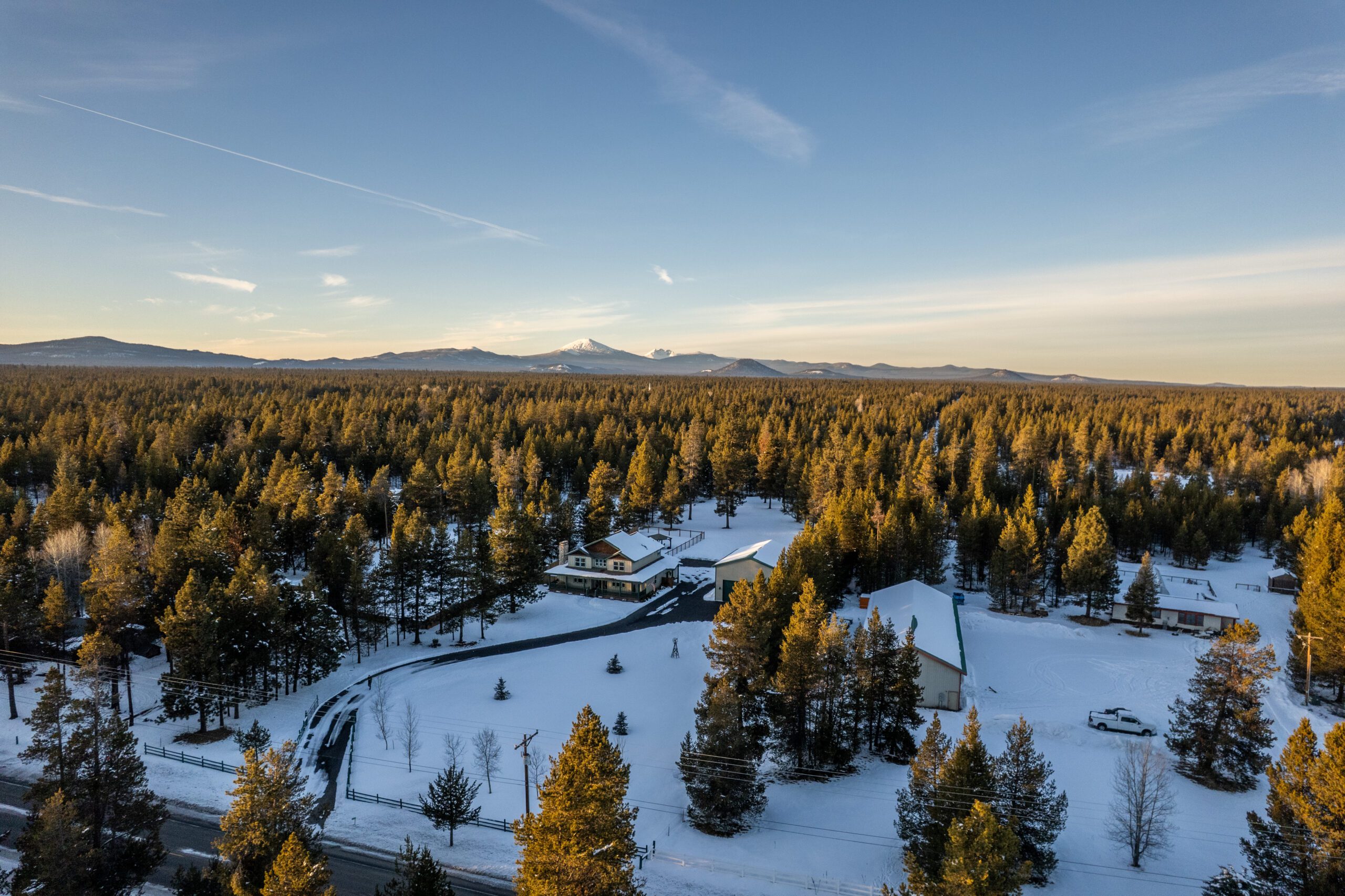
Year-Round Outdoor Living in Bend: A Practical Planning Guide

A year-round outdoor space in Bend does not need every possible upgrade. It needs to work with the site: shade where summer sun is intense, shelter from the prevailing wind, a safe plan for heat, drainage that does not create winter ice, and materials that can handle sun, snow and freeze-thaw cycles. Start with those fundamentals before adding an outdoor kitchen, hot tub or elaborate fire feature.
The best design is also specific to the household. A south-facing patio used for morning coffee needs a different solution than an exposed deck intended for evening entertaining. For buyers, the same principle applies: judge an outdoor area by how it will function through the seasons, not only by how it photographs in July.
Start With the Site, Not a Shopping List
Spend time in the space at different hours before committing to a plan. Map where the sun reaches in summer and winter, where snow tends to drift, which direction the wind enters, and how water moves after rain or snowmelt. Note the route from the kitchen, the location of exterior doors, and whether a roof edge will dump water or snow into a seating area.
These observations usually reveal the first priorities:
- Sun control: A roof, pergola, adjustable shade or well-placed deciduous tree can make a hot afternoon patio usable.
- Wind protection: A partial screen, wall or planting can help, but it should not create a dead-end smoke pocket around a grill or fire feature.
- Drainage: Direct runoff away from the house and walking surfaces. Plan for where snow will be piled and where meltwater can refreeze.
- Access: Short, well-lit routes from the house make a space far more useful in cold weather and after dark.
- Storage: A dry place for cushions, covers, tools and fuel can matter more than another decorative feature.
Choose Shelter and Heat Carefully
A cover can extend the season by providing shade and keeping rain or snow off part of the patio. Before attaching anything to the house, confirm how it will connect to the structure, shed snow and water, clear doors and windows, and work with existing roof drainage. A qualified contractor or design professional should size structural components for the actual project and site.
For warmth, compare portable electric heaters, fixed infrared units, gas fire tables and wood-burning fire pits by more than appearance. Consider clearances, ventilation, wind, operating cost, fuel storage and whether the heat will reach the seating area. Installed gas lines and hard-wired electrical work belong in the permit and contractor conversation, not as a late addition.
Check Permits, Zoning and Easements Before Building
Within Bend city limits, the City of Bend deck, porch and patio guide says a building permit is required for a deck or porch more than 30 inches above grade, a deck or porch with stairs, or a patio cover larger than 200 square feet or higher than 12 feet. Electrical, plumbing or mechanical work can trigger separate permit requirements. The City also directs owners to check zoning, setbacks, utility easements and any applicable overlay standards even when the structure itself is permit-exempt.
Those thresholds are a starting point, not a substitute for project review. Rules can differ outside Bend city limits, in planned communities, within historic or waterway overlay areas, or under an HOA. Before construction, confirm the address, jurisdiction and current requirements with the appropriate building and planning departments. Buyers should verify permits rather than assuming that an existing deck, cover, sink, heater or gas line was approved.
Treat Fire Features as a Safety Decision
Fire rules can change with season, weather and location. Bend Fire & Rescue’s current burning information distinguishes recreational fires from debris burning, prohibits yard-debris burning inside Bend city limits, and tells residents to check whether burning is allowed before lighting a fire. A feature that is acceptable on one day or property may be restricted on another.
Before choosing a wood-burning pit, gas table or fireplace, check current fire restrictions, local rules, HOA requirements, manufacturer clearances and the surrounding surface. Keep combustible furniture, dry vegetation and overhanging material out of the heat zone. If smoke, sparks or wind would regularly make the feature unusable, a non-combustion heat source may be the more practical choice.
Design the Landscape for Water and Wildfire Reality
Central Oregon landscaping is not a copy-and-paste project from a wetter climate. Oregon State University Extension notes that local soils are often sandy, rocky and low in organic matter, so water can move quickly through unamended soil. Its Waterwise Gardening in Central Oregon guide recommends matching plants and irrigation to the site, improving soil where appropriate, and concentrating turf in places where it has a real use.
The City of Bend’s outdoor water-conservation resources also emphasize checking irrigation, adjusting schedules through the season and preventing overspray or runoff. Grouping plants by water need, using efficient irrigation and leaving room for mature growth generally produces a more manageable yard than filling every edge with thirsty plantings.
Wildfire planning belongs in the same design conversation. OSU Extension’s fire-resistant landscaping guidance stresses that plant placement, spacing and maintenance matter alongside plant selection. “Fire-resistant” does not mean fireproof. Regularly removing dead material from roofs, decks, gutters and planting beds is part of maintaining the space.
Use Materials That You Can Maintain
No surface is maintenance-free. Composite decking can reduce some recurring work, but installation details, heat exposure, snow removal and manufacturer requirements still matter. Wood can be repaired and refinished, but it needs an honest maintenance schedule. Stone and concrete are durable choices when the base, joints, drainage and winter conditions are handled correctly.
Ask practical questions before selecting a finish:
- Will the surface become uncomfortably hot in direct sun?
- Is it slippery when wet or icy?
- Can it tolerate the intended snow-removal tools and deicer?
- How will freeze-thaw movement, drainage and settling be addressed?
- Can damaged sections be repaired without rebuilding the entire area?
Lighting should make steps, paths, cooking areas and transitions easier to see without flooding neighboring properties. Use outdoor-rated fixtures and have permanent wiring evaluated and installed appropriately.
A Buyer’s Outdoor-Space Checklist
When an outdoor area is part of the reason you like a home, include it in your due diligence. Look beyond furniture and staging and review:
- permit history for decks, covers, stairs, electrical work, plumbing and gas lines;
- attachment points, railings, stair condition and visible movement or deterioration;
- roof drainage, grading, standing-water evidence and likely snow-storage areas;
- irrigation condition, backflow equipment and signs of leaking or overspray;
- tree condition, defensible-space maintenance and proximity of combustible material;
- privacy, sun and wind at the times you are most likely to use the space;
- HOA or community restrictions on structures, lighting, hot tubs and fire features; and
- the recurring cost of fuel, electricity, water, snow removal and seasonal maintenance.
A general home inspection is an important start, but specialized concerns may require a structural professional, electrician, plumber, arborist, landscape or irrigation contractor, chimney professional, or the relevant permitting authority. Our Bend home-inspection guide explains how to build a property-specific review plan. Buyers should also request an insurance quote early; the Bend home-insurance guide covers why the address and property details matter before the contingency deadline.
Prioritize Improvements in the Right Order
For most homes, the most useful sequence is simple: correct drainage and safety issues, create a durable walking and seating surface, add shade or weather protection, improve lighting, then choose heat and optional amenities. That order creates a functional base and reduces the chance that an expensive feature has to be moved or rebuilt later.
Outdoor kitchens, hot tubs and built-in fireplaces can be worthwhile when they match how the household actually lives. They also add utilities, clearances, winterization and maintenance. Before spending, compare the number of days you expect to use the feature with the installation and ownership work it creates. For seasonal planning, see our Bend home-winterization checklist and tree-care guide for Bend homes.
Planning to Buy or Improve a Bend Home?
A useful outdoor space is one that fits the property, the local conditions and your routine. If you are comparing Bend homes, Bend Relo can help you identify the property questions to investigate before you commit and connect the outdoor-living goal to the rest of your home search.
- Search Bend and Central Oregon homes
- Explore Bend lifestyle and relocation resources
- Plan a move with Bend Relocation Services
Talk with David & the Bend Relo team
Buying, selling, relocating, or evaluating a specific property? Tell us what you are working through. We are happy to help.





