

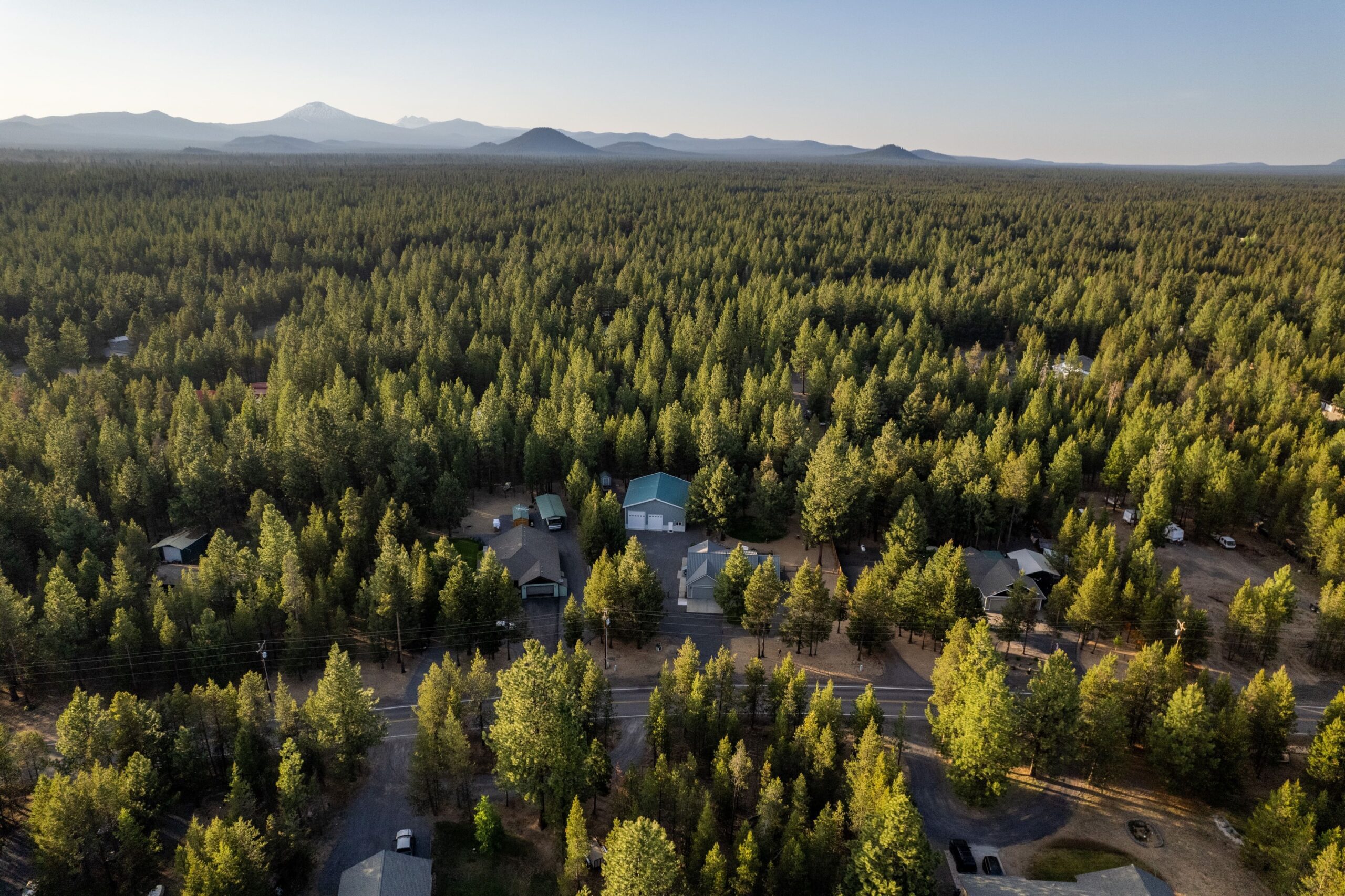
A professional photo package should help buyers understand a Bend home before they schedule a showing. It cannot guarantee a faster sale or a higher price. The useful question is not whether the camera is expensive; it is whether the photographer, shot plan, editing standards and usage rights fit the property and the listing strategy.
For a typical Bend seller, the right package starts with accurate interior and exterior coverage. Add aerial, twilight, floor-plan or seasonal images only when they explain something buyers need to know. Agree on the deliverables before the shoot, and review the final gallery for both clarity and accuracy before it goes live.
Start with the buyer questions the photos need to answer
A photo brief is a short plan for what the gallery must communicate. Build it around the property, not a generic shot count. A compact home in an established Bend neighborhood may need clear room relationships, parking and outdoor-space coverage. An acreage property may need road access, outbuildings, fencing and a view that explains how the improvements sit on the land.
Before booking the shoot, identify the features that are important but easy to miss online:
- the connection between the kitchen, living area and primary outdoor space;
- the location of an office, flexible room or accessory dwelling unit;
- garage depth, storage, shop space or room for outdoor gear;
- driveway access, parking and the relationship between the home and the street;
- views from the places where someone would actually experience them;
- decks, patios, irrigation, fencing and other lot improvements;
- features that are included in the sale and could be confused with movable furnishings.
The goal is a visual explanation of the property. Dramatic images can be useful, but they should not crowd out the ordinary views that help a buyer understand layout, scale and condition.
Choose services because they solve a specific problem
Ask the photographer or listing team what is included, how the images will be delivered and why each add-on belongs in the plan.
Interior and exterior photography
This is the foundation. Look for consistent vertical lines, believable room proportions, balanced window exposure and color that resembles the actual finishes. Wide-angle photography can show more of a room, but an overly wide view can make the space feel larger than it is. Accuracy matters more than spectacle.
Twilight photography
A twilight session can clarify exterior lighting, a covered deck, a fire feature or the indoor-outdoor relationship. It is usually unnecessary when dusk adds mood but no useful information. Decide in advance whether twilight images replace or supplement the daytime exterior set.
Aerial photography
Aerial images can explain acreage, topography, access, outbuildings and proximity to open land. They should not imply that neighboring property or public land is part of the parcel. Real-estate drone work is a non-recreational operation. The Federal Aviation Administration’s guidance for commercial operators explains Part 107 certification and operating requirements; some locations and operations also require authorization. Ask who will fly, whether that operator is qualified for the proposed flight and how property boundaries will be represented.
Floor plans, video and virtual tours
These tools are most useful when room sequence is difficult to understand from still images. Ask whether measurements are approximate, where that limitation will be disclosed and whether the tour will remain available after the listing leaves the market. A floor plan is an orientation tool, not a substitute for a survey, appraisal or independent measurement.
Prepare the home for an honest, efficient shoot
Finish visible repairs and cleaning before the photographer arrives. Retouching should not become the repair plan. Bend Relo’s photo-and-showing preparation checklist provides a room-by-room starting point, while the pre-listing repairs and spending guide helps separate presentation work from issues that deserve professional evaluation.
On the final walk-through:
- remove vehicles, garbage carts, hoses and temporary equipment from primary exterior views;
- clear personal documents, prescription labels, keys, security codes and valuables;
- turn off televisions and computer screens;
- use a consistent plan for blinds, shades and interior lights;
- confirm that fireplaces, hot tubs and other features are operated only when safe;
- tell the photographer which doors, gates or buildings should not be opened;
- make arrangements for pets and anyone working from home.
Central Oregon weather can change the plan. If mountain views, a long driveway or outdoor living areas are important, agree on a backup date and decide what conditions would justify rescheduling. The separate guide to seasonal listing photography in Bend covers smoke, snow, landscape changes and the careful use of older images.
Set the editing boundary before the images are delivered
Exposure, white balance, cropping and perspective correction can help a photograph look more like the scene appeared in person. Editing crosses a different line when it changes the facts a buyer would rely on.
Do not use retouching to remove a permanent defect, alter a view, widen a room, replace a neighboring structure, change a material finish or add landscaping that does not exist. If a virtually staged image is used, it should be clearly identified, and an unaltered view should be available so buyers can distinguish the current condition from the concept.
The Oregon Real Estate Agency’s advertising guidance centers on truthful, non-misleading marketing and keeping online information current. The agency also advises licensees to confirm material features before marketing them. Your broker should review the current brokerage and MLS rules that apply to labels, virtually staged images, aerial boundaries and other presentation choices.
Confirm image rights and future use in writing
Paying for a photo session does not, by itself, explain every right to copy, edit, distribute or reuse the images. The U.S. Copyright Office’s guidance for photographers explains that photographs are protected works, and its permission guidance recommends obtaining permission or a license when use requires it.
Ask the photographer or listing team to put the practical terms in writing:
- who owns the photographs;
- who may upload them to the MLS, brokerage site, portals and social channels;
- whether the seller may keep or reuse them after closing;
- whether another agent may use them if the listing changes hands;
- whether cropping, captions or virtual-staging edits are allowed;
- how long tours and hosted media will remain online;
- whether the photographer needs a credit.
Resolve those questions before publication. Downloading an image from a prior listing, a builder’s site or another agent’s marketing does not establish permission to reuse it.
Review the gallery as a buyer would
Before the listing is published, check the gallery on both a phone and a larger screen. The first images should quickly establish the exterior, main living spaces and the property’s defining feature. Then use a logical sequence so the buyer does not have to guess how the rooms connect.
During the review, ask:
- Does every image still represent the property accurately?
- Are the room proportions and colors believable?
- Does the gallery explain parking, access, outdoor areas and any detached structures?
- Are aerial boundaries, seasonal images and virtual staging labeled where needed?
- Are personal information, security details and unrelated people absent?
- Are there near-duplicates that make the gallery harder to navigate?
- Do the most informative images appear early?
For a home with Cascade views, photography should support—not replace—address-level due diligence. Buyers can use Bend Relo’s guide to verifying a Bend home’s view, nearby parcels and access as a companion resource.
What a useful photographer conversation sounds like
A good pre-shoot conversation is specific: which features matter, what could be misunderstood, what the weather backup is, which add-ons solve a real need and what editing is off limits. It also covers turnaround, delivery format, image rights and the review process.
Professional listing photography is one part of a coordinated launch. Pricing, condition, disclosures, showing access and the accuracy of the written listing still matter. If you are preparing a Bend or Central Oregon home for market, contact Bend Relo to build a property-specific photo and launch plan.
Talk with David & the Bend Relo team
Buying, selling, relocating, or evaluating a specific property? Tell us what you are working through. We are happy to help.





