

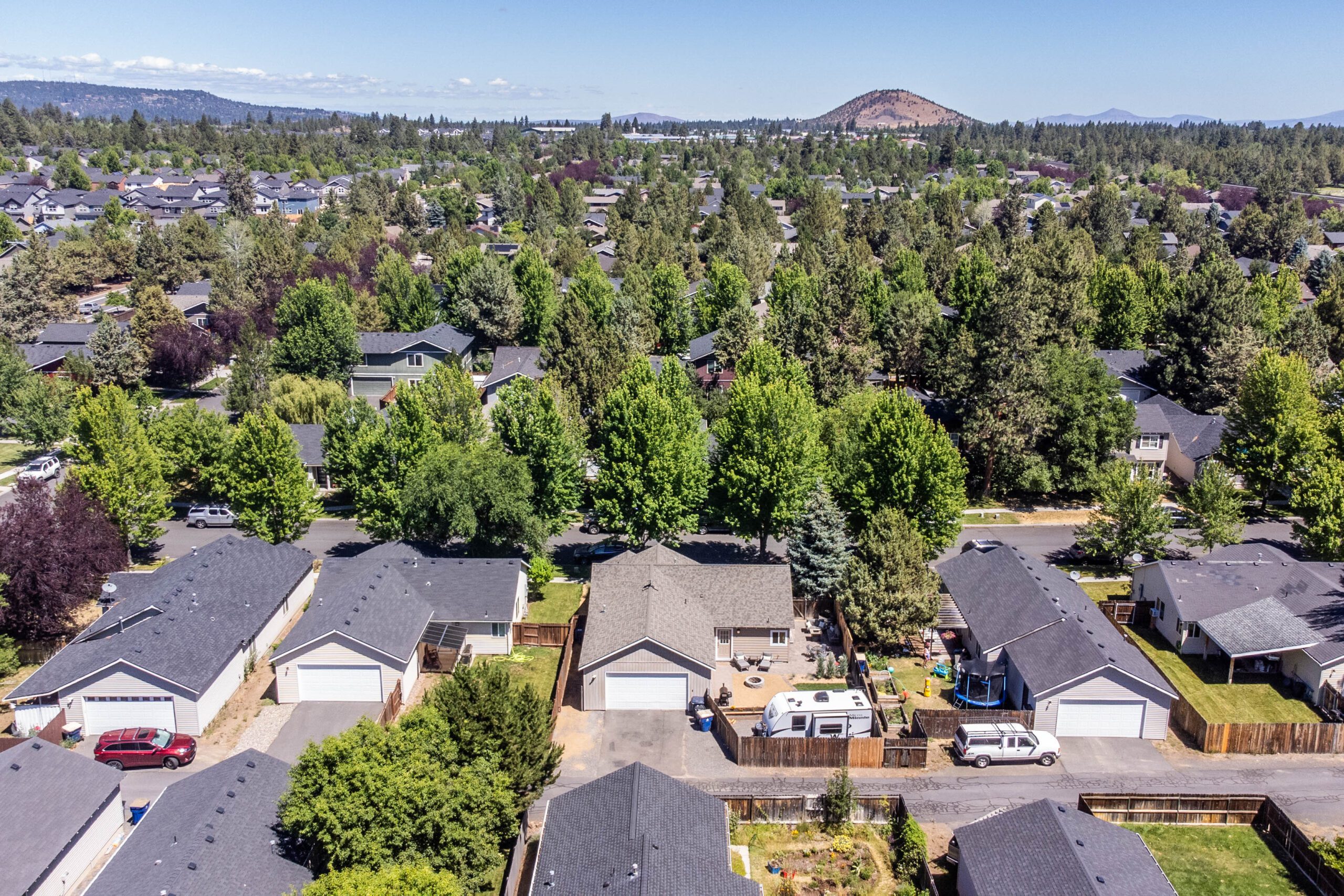
A Cascade view can be a wonderful reason to choose one Bend home over another—but the view itself should not replace normal property due diligence. Before you pay a premium, verify what you can see today, what could change, how the home handles weather and wildfire exposure, and whether the day-to-day access and maintenance fit your plans.
There is no universal percentage that a mountain view adds to a Bend home. Its contribution depends on the specific sightline, the home’s design, nearby development, competing properties and what buyers are willing to pay at the time of sale. The practical question is not simply, “Does it have a view?” It is, “Will this particular view and property still work for me after I understand the tradeoffs?”
Define the view you are actually buying
“Cascade view” can describe very different experiences. One home may frame several peaks from the main living area. Another may have a narrow or seasonal sightline from an upstairs room or patio. Photos can also make a distant mountain appear larger than it does in person.
During a showing, check the view from the places where you would spend time: the kitchen, primary bedroom, deck and yard—not only the best camera position. Notice window height, neighboring roofs, utility lines, mature trees and the direction the home faces. If the view matters to your decision, return at a different time of day. Glare, shade and interior lighting can change how usable the view feels.
Also ask which peaks or ridgelines are visible and under what conditions. Smoke, clouds and winter weather can temporarily obscure even an excellent sightline. A clear-day listing photo is useful, but it is not a promise of year-round visibility.
Do not assume the sightline is permanent
A mountain cannot move, but buildings and vegetation can change what you see from a particular room. Review nearby vacant parcels, current zoning and pending land-use activity before treating an open sightline as permanent.
For property records and maps in Deschutes County, start with the county’s DIAL property-information system. Within the city, the City of Bend’s interactive maps include zoning, permit and planning-application tools. These maps are useful screening resources, but the agencies themselves caution that map information should be verified. For a material concern, confirm the applicable records with the City or County and obtain appropriate title, survey, land-use or legal advice.
Ask direct questions about any parcel that controls the foreground of the view. Is it buildable? What zoning applies? Are there recorded easements, covenants or architectural controls? An HOA rule or neighborhood pattern is not the same as a recorded right protecting a view.
Inspect the home, not just the horizon
Homes positioned for broad western views can receive strong afternoon sun and weather exposure. The effect varies by site and construction, so look beyond the scenery:
- Windows and comfort: Ask about window condition, seals, coverings and summer heat gain. Stand in the main rooms long enough to notice glare and temperature.
- Roof and exterior: Review roof age and condition, siding, flashing, decks and exposed railings with a qualified inspector.
- Drainage and slope: Look for drainage paths, retaining walls, steep driveways and signs of erosion. Specialized evaluation may be appropriate on a complex site.
- Outdoor use: Decide whether prevailing wind, sun and privacy make the deck or patio comfortable at the times you expect to use it.
A dramatic lot can be an asset, but it can also make routine work more complicated. Before closing, understand access for roof, tree, drainage and exterior maintenance. For larger or more rural properties, our guide to the costs of maintaining acreage near Bend provides an additional checklist.
Check winter access and road responsibility
Elevation, shade, slope and road ownership matter more than a generic statement that a home is “near the mountains.” Walk or drive the actual route and inspect the driveway grade. Ask whether the road is public or private, who plows it, how costs are shared and where snow is stored.
The City of Bend’s winter road-maintenance program prioritizes routes rather than promising the same service on every street. A private road, shared driveway or county road may follow a different maintenance arrangement. Confirm the responsibility tied to the address instead of relying on an assumption from the neighborhood name.
For rural access questions, review recorded documents and the practical issues in our guide to easements and access roads in Central Oregon.
Review wildfire readiness and insurance early
Wildfire risk is property-specific. A home with a broad view may sit near open land, vegetation or a slope, but the photograph alone cannot tell you the home’s risk or insurability. Use the address—not a general neighborhood impression—for this part of your review.
Bend Fire & Rescue’s Own Your Zone program explains defensible-space actions around a home. The Oregon Division of Financial Regulation’s home-insurance guidance notes that insurers may consider factors such as location, fire-protection access, construction, replacement cost and claims history. Because underwriting and premiums vary, request an address-specific insurance quote while you still have time to evaluate it under your purchase agreement.
During inspections, ask about roof and vent details, decks, fences, vegetation near the structure and access for emergency vehicles. The goal is not to label a property from a listing photo; it is to identify improvements, costs and insurance conditions before they become surprises.
Let comparable sales—not a rule of thumb—guide value
A seller may have paid more for a view, but that does not establish what it contributes today. Ask your agent to compare recent sales with similar location, condition, lot, size and view quality. When financing is involved, the appraiser will analyze market evidence for the subject property; a blanket percentage is not a substitute for that work.
It can help to separate two decisions:
- Personal value: How much will you enjoy this exact view in your daily life?
- Market evidence: How much support is there in comparable sales after accounting for the home’s other features?
Those answers may be different, and that is fine—as long as you understand the difference before making an offer.
A two-visit checklist for a Bend view home
On the first visit, focus on how the home lives. Check the sightline from important rooms, privacy, sun, wind, noise and outdoor spaces. On a second visit, focus on verification:
- Review the parcel, zoning and nearby planning activity.
- Identify vacant land, buildable areas and trees that affect the foreground.
- Confirm public, private or shared-road responsibility and winter access.
- Inspect windows, roof, drainage, slope, deck and retaining features.
- Review HOA documents, recorded easements and architectural controls where applicable.
- Obtain an address-specific insurance quote and discuss any underwriting conditions.
- Compare the property with recent sales that offer genuinely similar views.
If you are still narrowing down areas, our Bend neighborhood guide can help you compare the broader setting before you evaluate individual homes. For cold-weather ownership questions, see our Central Oregon winterization guide.
The bottom line
A Cascade view can add real daily enjoyment, but it should be evaluated as one feature of a specific property—not as an automatic premium or permanent condition. Verify the sightline, development context, inspection findings, access, wildfire readiness, insurance and comparable sales. If those pieces fit your priorities and budget, the view can be a meaningful part of the home rather than an expensive assumption.
Considering a Bend home with mountain views? Contact Bend Relo for an address-specific review of the property, neighborhood and due-diligence questions to resolve before you write an offer.
Talk with David & the Bend Relo team
Buying, selling, relocating, or evaluating a specific property? Tell us what you are working through. We are happy to help.





