A Bend home is bike-friendly only if the route and the property work for the way you actually ride. A nearby trailhead, painted bike lane or oversized garage can be useful, but none proves that you can make a comfortable trip from the front door, store expensive bikes securely, clean up after a dusty ride or charge an e-bike where you want to keep it.
Before paying for a “bike lifestyle” marketing claim, test the complete system: the first and last few blocks, the crossings, the seasonal conditions and the house itself. The checklist below works for commuters, errand riders, families, road and gravel cyclists, and mountain bikers comparing Bend properties.
Define the Ride You Want From Home
Start with a specific routine rather than a general desire to live near biking. The right location changes depending on whether you want to reach work, school, groceries, a park, a road-cycling route or a national-forest trail system.
- Daily transportation: Map the destinations you expect to reach several times a week and the route you would use at the hour you would travel.
- Family riding: Look for the comfortable section, but also inspect every street crossing and the transition between the home and that section.
- Road or gravel riding: Evaluate the shoulder, traffic speed, sight distance, pavement condition and safe turnarounds on the actual approach.
- Mountain biking: Decide whether “ride from home” is essential or whether a short drive to a trailhead is acceptable. Those choices can produce very different housing searches.
The City of Bend’s Transportation Data Hub is a useful starting point for current facilities, projects and maps. The City also describes a planned network of key walking and bicycle routes, but a planned connection is not the same as a completed route. Verify what exists today.
Ride the Route Before You Rely on It
Map apps can suggest a route without showing how a crossing feels, whether a path is maintained in winter or where a facility ends. Ride the route in both directions before treating it as a purchase advantage. If you are not comfortable riding it, drive or walk the difficult sections and note why.
- Test the first and last half-mile. A good central segment does not fix an uncomfortable connection from the house.
- Visit during the commute, school-arrival or weekend period that matters to you.
- Notice grades, blind corners, curb cuts, driveway conflicts, construction and places where a protected facility becomes a shared street.
- Check whether the return trip changes the difficulty because of a climb, traffic pattern or left turn.
- Repeat the route after dark or in poor weather only if that reflects your intended use and you can do so safely.
The Bend Bikeway Project connects several neighborhoods, schools, parks, workplaces and trails, with work continuing in 2026. Current construction can improve a future trip while making a route less predictable during the project. Check the project page shortly before a showing rather than relying on an old listing description.
Confirm the Type of Facility and Its Rules
“Bike access” can mean a protected lane, standard bike lane, neighborhood greenway, multi-use path, park trail, natural-surface trail or a road shared with vehicles. These facilities are not interchangeable, and allowed uses may differ by land manager.
The Bend Park & Recreation District trail maps identify urban trails and park connections. BPRD’s current biking guidance also explains its park and trail rules, including e-bike use. For national-forest riding, use the Deschutes National Forest biking page and the Forest Service’s site for the particular trail or trailhead. The Forest Service identifies Phil’s Trailhead as access to mountain-biking and hiking routes of varying difficulty.
E-bike rules are especially location-specific. Oregon’s bicycle guidance advises riders to check the rules of the city, county or land manager for parks and trails. Confirm the class of bike you own and the exact facility you intend to use instead of assuming every bicycle route allows it.
Watch How the Lifestyle Works in Practice
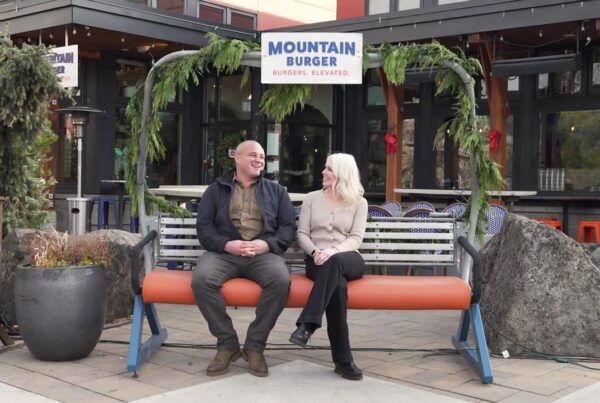
This Bend Relo episode follows a west-Bend day from Phil’s Trail to The Grove and Shevlin Park. It is useful lifestyle context, not proof that every nearby address has a safe or direct riding connection.
See the route, food stop and park context, then return to the address-level questions for any home you are considering.
Measure Bike Storage Instead of Trusting “Oversized Garage”
Count the bikes, racks, cargo boxes, repair stand and seasonal gear you plan to keep. Then measure the usable wall length, ceiling height, door swing, vehicle clearance and path from the exterior door to the storage area. A garage can look large in photos and still leave no practical bike space once two cars, bins, utilities and workbenches are in place.
- Can you bring in a muddy bike without crossing carpeted living space?
- Can bikes be locked to a fixed point or stored out of sight from windows?
- Does an exterior door have adequate lighting and a sound lock?
- Will a vertical rack clear the ceiling, opener, windows and handlebars?
- Is there room to service a bike without blocking a vehicle or exit?
- If the home has no garage, do the HOA, lease or condominium rules limit balcony, hallway or exterior storage?
Ask your inspector to evaluate the condition of the garage doors, locks, outlets and any improvised wiring. If you plan to add walls, plumbing, a wash area, storage structures or electrical capacity, start with the City of Bend’s property-owner permitting guide. Confirm the scope with the City and use appropriately licensed professionals. Oregon’s Construction Contractors Board provides license-checking resources.
Plan for Charging, Cleaning and Drying
An e-bike does not require a luxury bike room, but it does need a practical charging location that follows the manufacturer’s instructions. Check whether the intended storage area has a suitable outlet, ventilation and a route that avoids stretching cords across a walkway. Do not assume an old garage circuit can support every future use; have a qualified professional assess changes.
For conventional and electric bikes alike, look at the maintenance routine:
- Where will wet or dusty gear enter the house?
- Is there a durable floor, utility sink or outdoor hose location?
- Will runoff move away from the foundation and neighboring property?
- Is there a place for helmets and clothing to dry without creating a moisture problem?
- Can batteries and valuable components be stored within their specified temperature range?
A workable setup may be simple. The point is to identify the cost and inconvenience before closing, not after the first muddy ride.
Check Seasonal and Temporary Conditions
A summer showing does not reveal winter shade, snow storage or early darkness. A route that works comfortably in July may be less appealing when snow narrows the shoulder or a shaded path stays icy. Ask who maintains each segment and whether snow removal is routine, limited or not provided.
Forest access can also change with restoration work, wildfire, weather and temporary closures. The Deschutes National Forest current-conditions page and alerts page should be checked close to the date of a ride. In October 2026, for example, West Bend work is affecting selected trails; that is a reminder to verify conditions, not a permanent description of access.
Separate Personal Fit From Resale Claims
A route or storage setup may be highly valuable to you without creating a universal resale premium. Different buyers weigh traffic, privacy, trailhead parking, garage space and riding access differently. Do not substitute a broad claim about Bend’s bike culture for property-level evidence.
If you want to understand price, compare recent sales with similar location, lot exposure, condition, garage utility and access. Ask whether the relevant feature is a verified connection or merely proximity on a map. For a trail-adjacent home, use our separate property-level trail checklist to review entrances, easements, privacy, parking and land-management issues. For urban destinations, the Bend walkability field test provides a complementary way to check daily routes rather than relying on a score.
Bike-Friendly Home Showing Checklist
- What exact trips do you want to make from this address?
- What facility type covers each part of the route?
- Where are the difficult crossings, gaps, climbs and return-trip conflicts?
- Is the route built today, under construction or only planned?
- Who owns and maintains the path or trail?
- Are your bike type and e-bike class allowed?
- How do peak traffic, school schedules and trailhead activity change the trip?
- Can every bike be stored securely without blocking cars or exits?
- Where will you charge, clean, repair and dry gear?
- Do permits, HOA rules or contractor costs affect the setup you want?
- How will snow, smoke, heat, darkness and temporary closures change your use?
- Does the asking price rely on actual comparable sales or a lifestyle story?
The Bottom Line
Buy a Bend home for biking when the verified route fits your real trips and the property supports secure storage, maintenance and seasonal use. Test the connection, measure the house and confirm current rules before assigning value to the feature.
Bend Relo can help you compare homes around the rides and destinations that matter to you, then organize follow-up questions for inspectors, title professionals, HOAs and the appropriate public agencies.
- bendrelo.com — Property search and local real estate guidance
- movingtobend.com — Bend lifestyle and relocation resources
- bendrelocationservices.com — Professional relocation support
Talk with David & the Bend Relo team
Buying, selling, relocating, or evaluating a specific property? Tell us what you are working through. We are happy to help.