

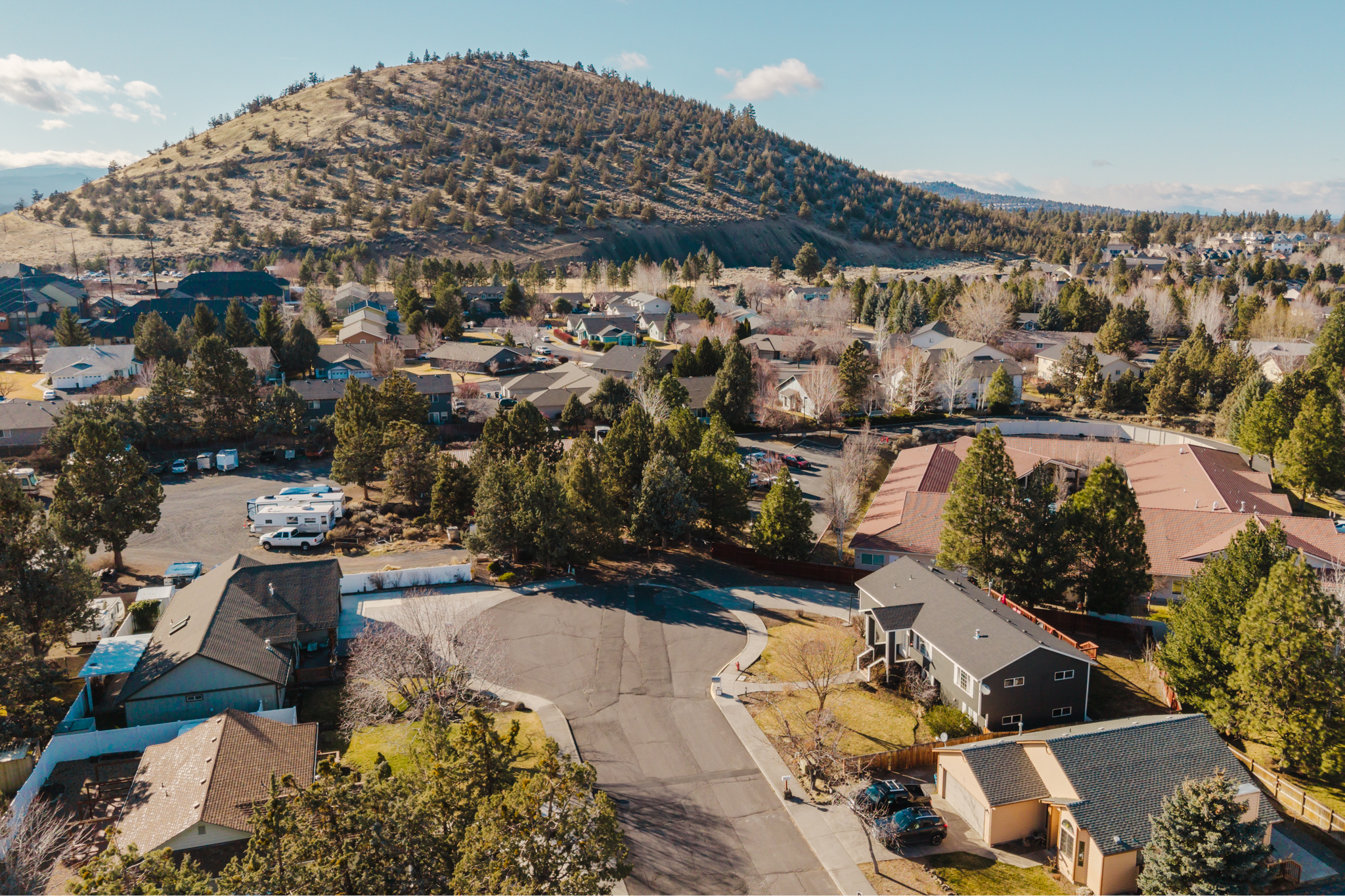
How Long Does It Take to Sell a Home in Bend?

There is no honest single-number answer. A Bend home sale has three separate clocks: the time needed to prepare the property, the time from launch to an accepted offer, and the time from contract to closing. Each can move differently depending on the home, its price range, the buyer pool and the terms of the accepted offer.
A realistic estimate should therefore come from current comparable listings and sales for the specific property—not a citywide average copied from a market report.
The Three Parts of a Bend Home-Sale Timeline
1. Preparation Before the Listing Goes Live
Preparation may be brief for a clean, well-maintained home with complete records. It can take longer when the property needs repairs, staging, landscaping, contractor work, permit research or a more involved marketing package.
Before choosing a launch date, work backward from the seller’s preferred closing date and include time for:
- repair and maintenance decisions;
- decluttering, cleaning and staging;
- photography, floor plans and listing materials;
- reviewing ownership, HOA and property records;
- completing applicable seller disclosures; and
- building a pricing and launch strategy from current competition.
Rushing an unfinished listing onto the market can save a few preparation days while creating a weaker first impression. A better schedule launches when the property, price and media are ready together.
2. Time on Market Before an Accepted Offer
This is the part sellers usually mean when they ask how long a sale will take. It is also the least predictable. The relevant comparison is not every Bend home; it is the set of properties that compete for the same buyers.
That competitive set may change with:
- price range and property type;
- neighborhood and access to daily amenities;
- condition, updates and deferred maintenance;
- lot, view, garage, shop, acreage or river-access features;
- insurance, wildfire, well, septic or private-road questions;
- seasonal supply and buyer travel schedules; and
- the number and quality of active alternatives.
A conventional Bend house with broad appeal may behave very differently from a luxury home, rural acreage, a property with unusual improvements or a home that needs substantial work. Citywide days-on-market figures can provide context, but they do not establish a deadline for one address.
3. Contract-to-Closing Time
An accepted offer is not the same as a completed sale. The contract determines deadlines for inspections, disclosures, financing, appraisal, title review, repairs and closing.
Financed purchases also have lender requirements. The Consumer Financial Protection Bureau explains that a borrower must receive the Closing Disclosure at least three business days before closing. Appraisal questions, documentation requests or a material change in loan terms can affect the schedule.
Property complexity matters here too. A rural Central Oregon sale may require well, septic, access-road or insurance review. A remodeled home may prompt permit questions. Sellers can check available records through Deschutes County’s permit search and gather supporting documents before an offer arrives.
Pricing Sets the Starting Point
Pricing is not about choosing the highest number that might be defensible. It is about positioning the home against the alternatives buyers can purchase now.
A practical pricing review should include:
- recently sold properties that truly resemble the subject home;
- active listings competing for the same buyer;
- listings that expired, canceled or required major reductions;
- condition and improvement differences; and
- the seller’s timing, financial and risk priorities.
Early showings, online engagement, questions and written feedback provide evidence. If the market is consistently rejecting the price-positioning combination, waiting alone does not improve it. Our Bend home-pricing guide explains how to compare the home with its real competitive set.
Preparation Can Prevent Avoidable Delays
Some delays begin before the listing is active. Missing records, unresolved repairs or unclear property features can make buyers cautious and create extra work during escrow.
Where applicable, assemble:
- permit and final-inspection records;
- invoices and transferable warranties;
- HOA documents and current assessments;
- well, septic and water-quality records;
- private-road or shared-maintenance agreements;
- solar, lease or financed-equipment documents; and
- information about known repairs or insurance claims.
Oregon law contains a prescribed seller’s property disclosure statement and exceptions. Review the current Oregon statutes for seller property disclosure with your real estate and legal professionals rather than treating a generic checklist as legal advice.
How to Read the First Market Response
The first days and weeks create useful evidence, but not a guaranteed verdict. Look at the quality of the response:
- Few online views: the price, presentation or distribution may not be earning attention.
- Views but few showings: buyers may see a mismatch between the home and its price or photos.
- Showings but no offers: review recurring objections, competing homes and the total value proposition.
- Offers with difficult terms: compare price, financing strength, contingencies, timing and risk—not just the headline amount.
Set review points before launch so decisions are based on evidence rather than frustration. If the home misses its initial audience, use a coordinated relaunch plan instead of making isolated changes. See our guide to relaunching a Bend home that did not sell.
Build the Timeline Around the Seller’s Real Deadline
A seller who must close before another purchase, job move or tax deadline needs a different plan from someone who can wait for a narrow buyer pool. Work backward from the required outcome and leave room for preparation, market response, contract contingencies and closing.
Also estimate the financial side of timing: mortgage, utilities, insurance, maintenance, moving costs and potential overlap with the next home. Our Deschutes County seller closing-cost guide can help organize that budget.
A Better Answer Than a Citywide Average
To estimate how long your Bend home may take to sell, compare it with current competing listings, recent similar sales and failed listings, then account for preparation work and likely contract conditions. That produces a useful range and decision plan; a single citywide average does not.
Bend Relo can help sellers build that property-specific timeline, prepare the home, evaluate the competitive set and choose review points before the listing goes live.
- bendrelo.com — Property search and real estate guidance
- movingtobend.com — Bend lifestyle and relocation information
- bendrelocationservices.com — Professional relocation support
Talk with David & the Bend Relo team
Buying, selling, relocating, or evaluating a specific property? Tell us what you are working through. We are happy to help.





