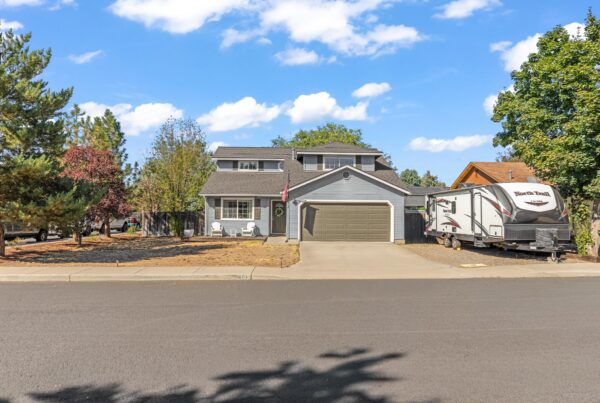

When comparing Bend homes, include the actual property-tax account in your monthly budget. Two homes with similar purchase prices can have different tax bills. Oregon’s assessed-value history and the property’s taxing districts make a generic purchase-price percentage an unreliable shortcut.
Use the property record first
Obtain the current tax statement and assessment record. Check what property and improvements the account includes, which districts and levies apply, and whether a portal’s payment estimate matches the official statement. Ask your lender how the verified amount will affect escrow and the estimated payment.
Oregon generally uses the lower of Real Market Value and Maximum Assessed Value as Assessed Value. A sale alone generally does not reset that assessed value to the buyer’s price. For the full explanation, read Oregon Property Taxes in Bend: What Buyers Need to Know.
Check unfinished or recently improved property
A displayed bill may reflect the property before a new home, addition or other qualifying improvement is fully assessed. Ask the assessor what is already on the roll and what remains to be added. A low bill shown while construction is underway is not a promise of the completed property’s future tax cost.
Budget for your intended changes
If your plan includes an ADU, shop, addition or major remodel, investigate the assessment effect before relying on the current bill. The Deschutes County Property Change Tax Estimator provides an account-specific estimate for changed property. Its output is an estimate, not a final bill.
Compare complete ownership costs
Combine taxes with financing, insurance, HOA obligations and expected maintenance. Rural acreage can involve special assessments that warrant separate confirmation. Keep a dated copy of the records and document assumptions that still need resolution before closing.
The goal is a budget tied to the actual home you are considering. Bend Relo can help organize the purchase questions; the county assessor and appropriate tax advisers should confirm account-specific assessment treatment. Do not interpret Oregon’s usual MAV growth limit as a guarantee that the final tax bill can rise by no more than three percent.
Talk with David & the Bend Relo team
Buying, selling, relocating, or evaluating a specific property? Tell us what you are working through. We are happy to help.