

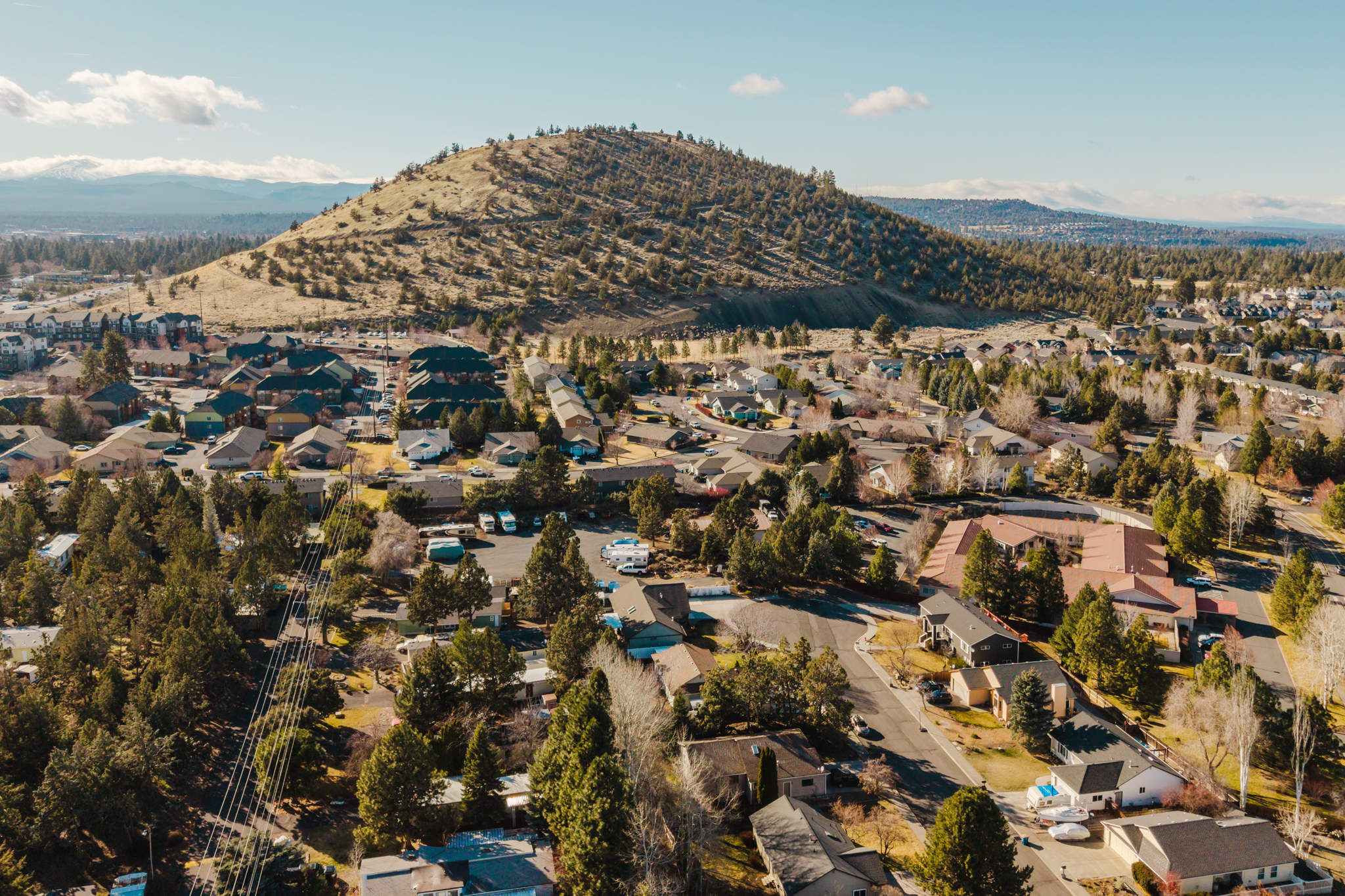
Spring can bring more Bend homes to market, but there is no dependable 45-day window when buyers are guaranteed the most choice or negotiating power. Inventory, competition and seller motivation can vary sharply by neighborhood, price range and property type. A better spring strategy is to pair current local data with careful post-winter due diligence.
Start with today’s market, not the calendar
Before scheduling a full weekend of showings, ask for a current snapshot of the homes that match your actual criteria. That means looking at active listings, recent comparable sales, days on market, price changes and the number of competing offers in the specific segment you are considering. A well-prepared home in a popular area can attract quick interest even when overall inventory is rising. Another property may sit longer because of condition, pricing or a narrower buyer pool.
Update your loan numbers at the same time. Purchase price is only one part of the decision; interest rate, taxes, insurance, HOA dues and expected maintenance all affect the monthly cost. Our mortgage pre-approval guide explains why a current lender review matters before you write an offer.
Use the post-winter tour to look beyond finishes
Melting snow and spring precipitation can make drainage and moisture patterns easier to observe. They do not replace a professional inspection, but they can help you identify questions worth investigating. On a first or second visit, look closely at:
- Roof edges, flashing, gutters and downspouts for visible wear, staining or poor discharge locations.
- Grading around the foundation, low areas in the yard and signs that water is moving toward the house.
- Crawlspaces, basements and attics for dampness, staining, odors or evidence of past repairs.
- Decks, exterior stairs, driveways and retaining walls for movement or winter damage.
- Heating equipment, fireplaces and chimneys, especially if they carried a heavy winter workload.
- Irrigation components that may not yet be fully active after freezing weather.
The Oregon Construction Contractors Board’s home maintenance guidance highlights roofs, gutters, foundations and plumbing leaks as recurring inspection points. If you see a concern, ask the appropriate licensed professional to evaluate it instead of estimating the cause or cost from appearance alone.
For wells and septic systems, verify records and condition
Many properties outside Bend’s municipal service area rely on a domestic well, an onsite septic system or both. These systems deserve their own review rather than a quick visual check.
For a well, locate the well report and review construction details, depth and available records. The Oregon Water Resources Department’s well-water handbook explains the records and testing considerations involved in a property sale. Oregon also has specific seller testing and disclosure requirements for domestic wells; the Oregon Health Authority summarizes them on its domestic well testing page. Test results and past performance should be reviewed in context, because neither a single sample nor a stated flow rate guarantees future supply.
For septic, confirm the system’s location, type, age, permit history and maintenance records. Oregon DEQ advises buyers of homes with existing systems to hire a qualified professional for an evaluation. Its Septic Smart guidance and onsite records page are useful starting points. The evaluation should fit the property and proposed use, particularly when household size, additions or an accessory dwelling unit are part of the plan.
Check jurisdiction, permits and site constraints
A Bend mailing address does not always mean a property is inside the City of Bend. Jurisdiction can affect land-use rules, utilities, road responsibility and the agency that holds permit records. Verify the tax lot and governing jurisdiction before relying on a listing description.
For properties within the city, the City of Bend’s permit and development tools provide access to permit records dating back to 1993. Deschutes County’s property data portal offers tax-lot, zoning, floodplain and other mapped information. These tools are valuable screening resources, but mapped layers and online records should not be treated as a survey, title report or final agency determination.
If you are considering remodeling, adding a dwelling, operating a short-term rental or changing the use of the property, verify what is allowed before making the purchase dependent on that plan. The cost of ownership can also extend beyond the mortgage; our guide to often-overlooked homeownership costs can help organize the broader budget.
Evaluate wildfire readiness before summer
Wildfire exposure is not limited to rural acreage. During a spring tour, examine the space immediately around the structure, including combustible debris, vegetation, wood fences, decks and stored materials. The Oregon State Fire Marshal’s defensible-space guidance starts with the first five feet around the home and then works outward in zones.
Ask for an insurance quote early in the process, not after contingencies are expiring. Availability, underwriting requirements and premiums are property-specific, and they can affect both affordability and lender approval.
Compare homes systematically
When several listings appear at once, it is easy to remember the attractive finishes and forget the practical differences. Use the same comparison categories for every property:
- Location, commute and daily access.
- Monthly payment and near-term repair budget.
- Roof, heating, electrical, plumbing and foundation condition.
- Water, sewer or septic, and any shared-system agreements.
- Permit history, zoning and intended-use feasibility.
- Insurance considerations and wildfire-readiness work.
- Seller disclosures, inspection findings and unresolved questions.
Take notes immediately after each showing and separate observable facts from assumptions. A home that has been listed longer may offer more time for investigation, but days on market alone do not establish condition or negotiating leverage. Likewise, a fresh listing is not automatically a reason to waive important due diligence.
Build the offer around the property
Offer terms should respond to the current competition, the home’s condition, your financing and your risk tolerance. Inspection, appraisal, financing and home-sale contingencies each address a different issue. The right combination depends on the transaction; there is no universal spring formula.
Before writing, identify the information you still need, the costs you can absorb and the conditions that would cause you to step away. That preparation makes it easier to move decisively when the right home appears without treating urgency as a substitute for judgment.
A practical Bend spring-buyer checklist
- Refresh financing and estimate the full monthly payment.
- Review current listings and recent comparable sales in the exact market segment.
- Look for post-winter roof, drainage, moisture and exterior issues.
- Order inspections and specialist evaluations appropriate to the property.
- Locate well, septic and permit records when applicable.
- Verify jurisdiction, zoning and intended-use feasibility.
- Request an insurance quote early.
- Choose offer terms based on property-specific facts and current competition.
Spring can be a productive time to buy in Central Oregon because more homes may enter the conversation and seasonal conditions can reveal useful details. The advantage comes from preparation and verification, not from assuming the calendar creates a guaranteed window. If you are comparing Bend properties and want help organizing the tradeoffs, contact Bend Relo for a property-specific plan.
Talk with David & the Bend Relo team
Buying, selling, relocating, or evaluating a specific property? Tell us what you are working through. We are happy to help.





