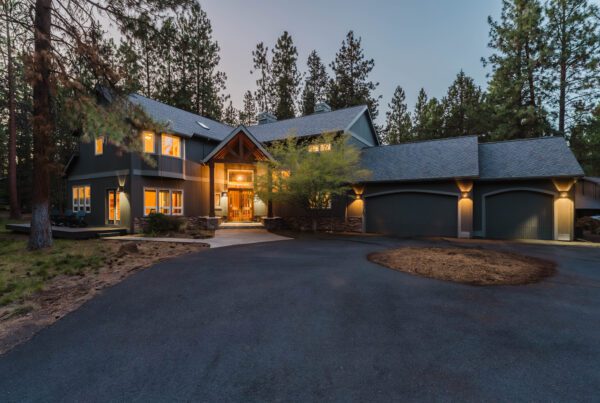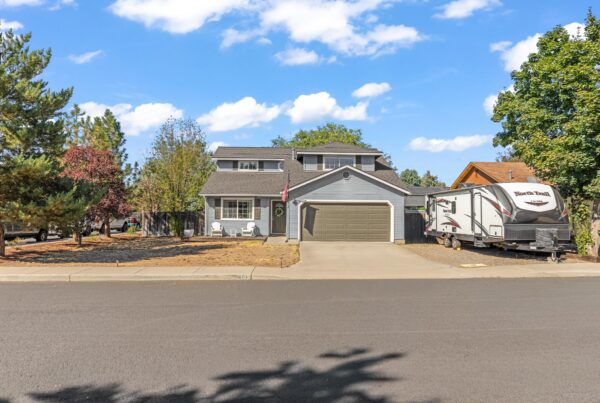

Lighting for Selling a Bend Home: A Practical Room-by-Room Plan

Lighting cannot guarantee a higher sale price or a faster offer. It can, however, make a home easier to understand in listing photos and more comfortable to tour in person. The useful question for a Bend seller is not “How many new fixtures should I buy?” It is “Where does the home feel dim, inconsistent or difficult to use?”
Start with observation before spending money. Walk through at the same time of day as the scheduled photos and again near sunset. Turn on every fixture, open the window coverings and note the places where a buyer might struggle to see a work surface, hallway, stair, closet or exterior entry.
What Lighting Can—and Cannot—Do Before a Sale
Good lighting supports presentation. It can reveal the actual color of finishes, help rooms photograph consistently and make functional areas easier to read. It cannot correct an ambitious price, substitute for repairs or conceal a condition issue. A burned-out bulb or a visibly flickering fixture may also distract a buyer from the larger features of the room.
Treat lighting as one part of the broader preparation plan. Bend Relo’s home-staging guide covers furniture, circulation and focal points, while the home-tour checklist explains the maintenance and sensory details buyers may notice during a showing.
Begin With a Whole-Home Lighting Audit
Use a short checklist before replacing anything:
- Operation: Test every bulb, switch, dimmer, motion sensor and exterior light.
- Consistency: Look for a single fixture with a noticeably different color or brightness from the rest of the room.
- Glare: Sit and stand in the places a buyer will use. A bare bulb, reflective countertop or poorly aimed spotlight may be uncomfortable.
- Shadows: Check kitchen counters, bathroom mirrors, desks, stairs and entries for dark work or safety areas.
- Daylight: Clean the glass, open or simplify heavy window treatments and remove objects that block usable light.
- Appearance: Dust shades, globes and fan lights; straighten crooked fixtures and replace cracked or missing covers.
A matched set of working bulbs and clean fixtures is often more useful than an expensive decorative change made without a plan.
Use Brightness and Color Deliberately
Shop for the amount of light you need rather than assuming that a higher wattage means a brighter bulb. The U.S. Department of Energy explains that lumens measure brightness, while watts measure energy use. The product label also helps compare color appearance, expected life and operating cost.
Within a single room, try to keep replacement bulbs reasonably consistent in color appearance. Mixing a very warm bulb with a noticeably cooler one can make paint, cabinets and flooring look different from one side of the room to the other. The goal is not to make every space identical. A kitchen work area, reading corner and bedroom may need different levels of light; each room should simply feel intentional.
If an older bulb has failed, an LED can be a sensible replacement. The Department of Energy reports that residential LEDs—particularly ENERGY STAR-rated products—use at least 75% less energy than incandescent lighting. Confirm that the bulb is rated for the fixture and compatible with any dimmer or enclosed housing.
Layer Light Where the Room Needs It
Many rooms work better with more than one source:
- Ambient light provides the general illumination from ceiling fixtures, recessed lights or reflected daylight.
- Task light helps at counters, desks, reading chairs, mirrors and other work areas.
- Accent light can draw attention to a fireplace, artwork or architectural detail.
For a sale, layering does not require a renovation. A well-placed floor or table lamp may solve a dark corner. Under-cabinet lighting may help a kitchen work surface, but only if the installation is neat and the wiring is appropriate. Remove temporary cords from walkways before photos and showings.
A Room-by-Room Pre-Listing Check
Entry, halls and stairs
Confirm that the route from the front door through the main living areas is easy to see. Test three-way switches and stair lighting, and make sure exterior entry lights work for evening tours.
Kitchen
Check both the general ceiling light and the task light over counters, the sink and the range. Clean pendant shades and recessed trims. If appliances, counters or cabinet fronts are reflective, look for harsh glare in the photographer’s likely angles.
Living and dining areas
Use lamps to support the furniture plan instead of filling every corner with equal brightness. Make sure a chandelier or pendant is clean, centered over the intended area and hung where it does not block the room’s main sightline.
Bedrooms and home offices
Match bedside bulbs when practical and provide enough light to understand closets and work surfaces. A room marketed as a home office should have a usable task-light option rather than relying only on a decorative lamp.
Bathrooms and utility spaces
Test exhaust-fan lights, vanity lighting, laundry fixtures and garage lights. These spaces help buyers evaluate condition, so clarity matters more than mood.
Exterior
Replace failed bulbs at entries, paths and house numbers. Aim fixtures so they illuminate the intended area without shining directly into neighboring windows or the street. Test timers and motion sensors before an evening showing.
Prepare Separately for Photos and Showings
A room can look balanced to the eye but uneven through a camera. Before professional photography, ask the photographer whether window coverings and interior lights should be handled differently in specific rooms. Avoid swapping bulbs after the photos unless one fails; a major change can make the online presentation feel inconsistent with the in-person tour.
For each showing, open the agreed window coverings, turn on the planned fixtures and confirm that no lamp or switch has been unplugged. This is a repeatable setup, not a promise that brighter photos will generate more offers.
Know When a Fixture Change Becomes Electrical Work
Replacing a compatible screw-in bulb is different from adding a circuit, moving a junction box or changing hard-wired lighting. Oregon’s Building Codes Division says permits are required for specified alterations that include electrical changes, and the person doing the work is responsible for obtaining required permits. Review the state’s residential permit guidance and confirm the local requirements before work begins. Use a qualified electrical professional when the project goes beyond a simple bulb replacement or when a fixture, switch or circuit is not operating normally.
Decide What Is Worth Doing
Separate the plan into three levels:
- Maintenance: replace failed bulbs, clean fixtures, match obvious inconsistencies and test controls.
- Presentation: adjust window coverings, add a lamp or refine the showing setup.
- Permanent improvement: replace hard-wired fixtures, add task lighting or modify electrical work only after considering cost, schedule, permits and the home’s likely buyer.
A pre-listing walk-through can help prioritize the rooms that matter for this particular property. Bend Relo can coordinate the lighting plan with pricing, repairs, staging and photography so the presentation supports the home without turning preparation into an unnecessary remodel.
- bendrelo.com — Bend and Central Oregon real estate guidance
- movingtobend.com — Local lifestyle and relocation resources
- bendrelocationservices.com — Relocation planning and support
Talk with David & the Bend Relo team
Buying, selling, relocating, or evaluating a specific property? Tell us what you are working through. We are happy to help.