
A smaller home can be a smart way to buy in Bend, but square footage alone does not tell you whether a property will fit your life or your budget. A compact detached home, townhome and condominium can have very different monthly costs, maintenance responsibilities and financing requirements.
The better question is not simply, “Can we live with less space?” It is, “Does this specific home use its space well, and does the full ownership picture work for us?”
Start With the Way You Actually Live
Before comparing price per square foot, map your normal week. Where will coats, bikes, skis, tools and seasonal gear go? Can two people work from home without competing for the same room? Is there a comfortable place for guests, pets or a growing household?
Walk through the home with those routines in mind. Room dimensions matter, but so do circulation, natural light, door swings, ceiling height, built-in storage, sound transfer and the connection to outdoor space. A well-designed smaller home can function better than a larger home with wasted hallways or awkward rooms.
Use National Size Trends as Context, Not a Bend Price Forecast
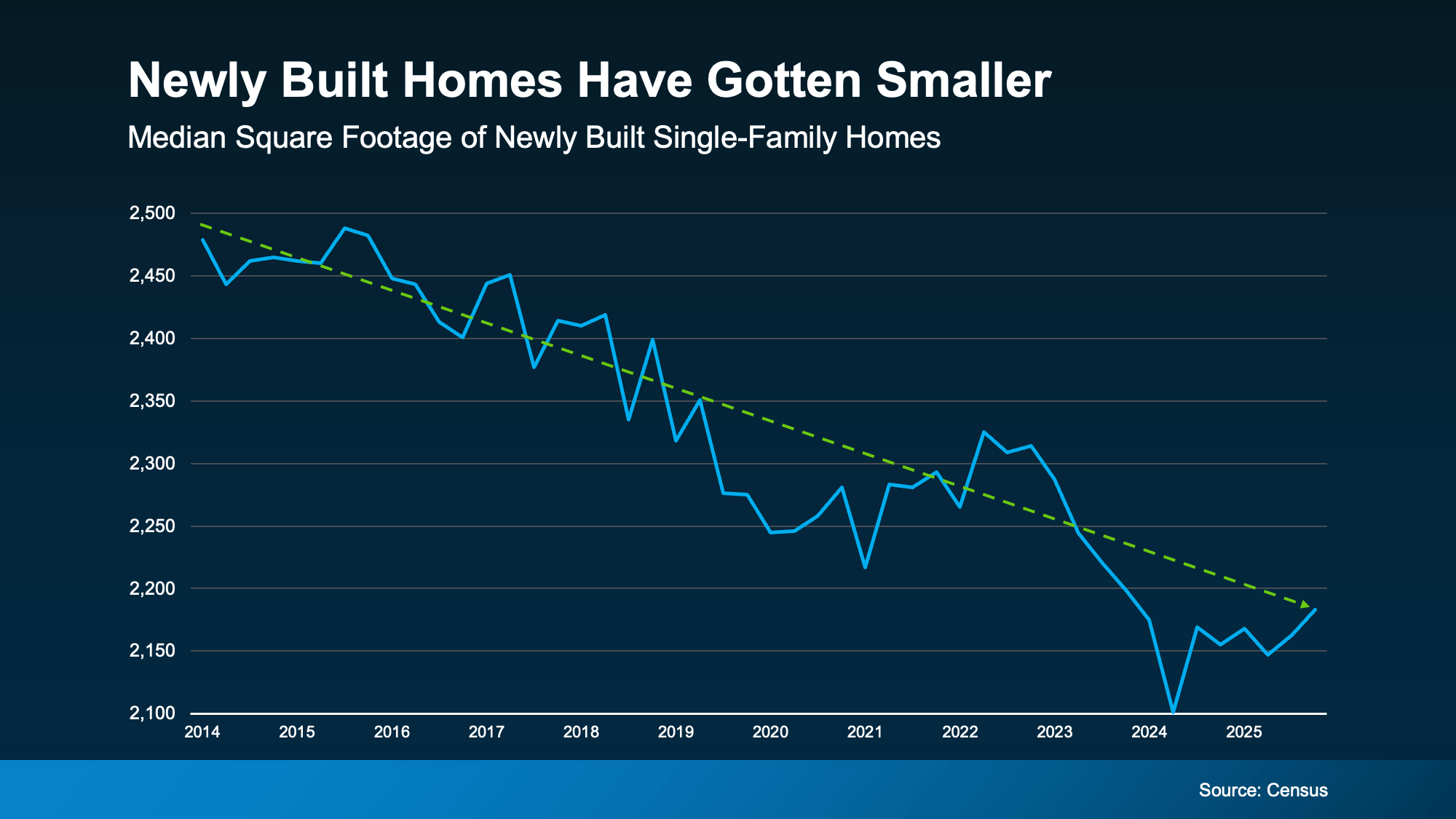
The U.S. Census Bureau’s Characteristics of New Housing tracks floor area and other features of newly built homes. Its 2025 national data reported a median floor area of 2,142 square feet for completed single-family homes and 2,194 square feet for new single-family homes sold. Those figures describe national new construction; they do not establish what a Bend home should cost or which size is right for you.
If new construction is part of your search, compare the delivered cost rather than the base price alone. Lot premiums, upgrades, landscaping, window coverings, appliances and post-closing projects can change the budget. Our guide to buying new construction in Bend explains the contract, inspection and cost questions to ask.
Calculate the Complete Monthly Cost
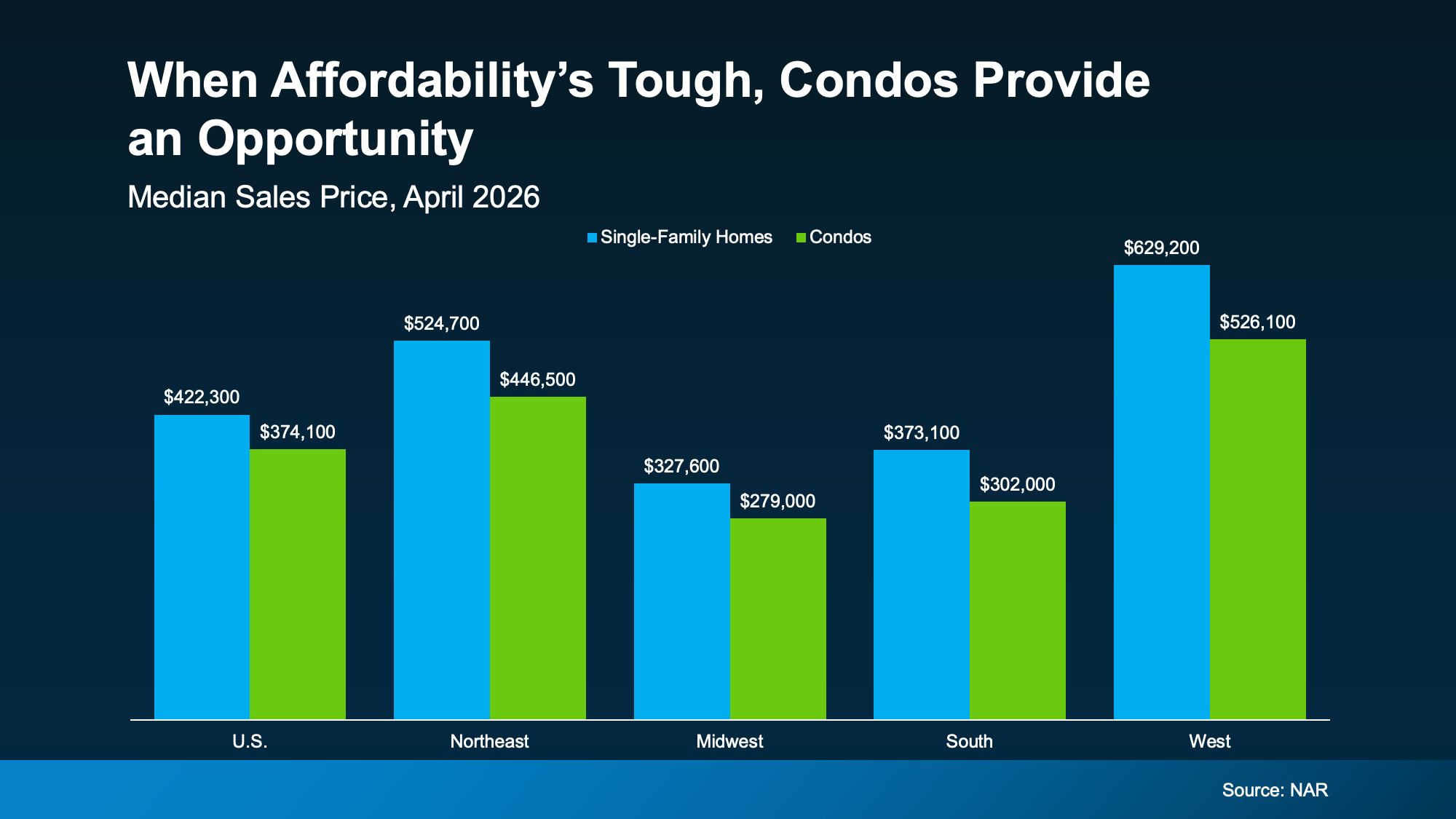
A lower purchase price does not automatically mean a lower total housing cost. Compare principal and interest, property taxes, homeowners insurance, utilities, HOA dues, parking or storage fees and the maintenance the owner must handle directly.
For a condo or townhome, find out exactly what the association maintains and what remains your responsibility. Ask whether the dues cover items such as exterior maintenance, landscaping, snow removal, water, sewer, roofs or common-area insurance. Then compare those services with the cost of handling them yourself in a detached home.
Use our Central Oregon homeownership cost guide to build a property-specific budget. Savings are possible, but they depend on the home, association, utilities and insurance—not simply the number of square feet.
Review the Association Before You Commit
When the property is in a condominium or homeowners association, review the governing documents and financial condition during the contract timeline. Useful documents may include the declaration, bylaws, rules, current budget, reserve information, insurance, meeting minutes, pending or recent special assessments, litigation, delinquency information and restrictions involving rentals, pets, parking or improvements.
Oregon condominiums are governed in part by ORS Chapter 100. Financing can also depend on the project, not only the borrower or individual unit. Fannie Mae’s project standards identify project-level risks such as financial stability, physical condition, insurance and litigation. Ask your lender early which project review applies and what documentation is still needed.
For a broader comparison of shared amenities, rules and costs, see our guide to buying in a Bend master-planned community.
Verify Records, Improvements and Storage Claims
A compact home leaves less room for an incorrect assumption. Confirm whether a loft, converted garage, finished storage area, deck or other improvement is represented accurately and whether relevant records are available. The City of Bend Online Permit Center can be used to look up property information and permit records. Deschutes County DIAL provides property, tax and map information.
Public records are a starting point, not a substitute for title review, inspections, professional measurements or advice from the appropriate licensed specialist.
Inspect the Home, Not Just the Floor Plan
Smaller homes still have roofs, foundations, plumbing, electrical systems, heating equipment and drainage to evaluate. In attached housing, also understand the boundary between the unit and common elements and who is responsible for repairs.
Use the Bend home inspection guide to organize property-specific due diligence. For condos and townhomes, coordinate the unit inspection with your review of the association’s maintenance responsibilities and project documents.
Plan for the Next Several Years
Think beyond move-in day. Consider household changes, remote work, accessibility, hobbies, vehicles and the possibility that you may need to host family. Also consider how easy it would be to sell the property if your plans change. No layout or property type guarantees a particular resale result, but a realistic time horizon can help you avoid buying a home you will outgrow quickly.
A Simple Comparison Before You Choose
- Smaller detached home: more direct control, but usually more exterior and site maintenance.
- Townhome or condominium: potentially less individual maintenance, with association dues, rules and project-level due diligence.
- New compact home: newer systems and design, with builder contracts, upgrades and delivered-cost questions.
The best choice is the property that supports your daily routines, keeps the complete cost comfortable and leaves enough flexibility for the years you expect to own it.
Compare Smaller Homes With a Local Plan
If you are deciding among a detached home, townhome or condo in Central Oregon, contact Bend Relo. We can help you compare the practical tradeoffs, identify the documents and professionals needed for due diligence, and keep the decision tied to the specific property rather than a national trend.
Talk with David & the Bend Relo team
Buying, selling, relocating, or evaluating a specific property? Tell us what you are working through. We are happy to help.