

The Pros and Cons of Buying a Home in a Master-Planned Community
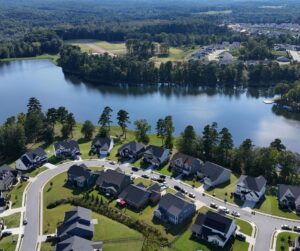
Master-planned communities have become increasingly popular throughout Bend and Central Oregon, offering buyers a combination of housing, amenities, recreation, and neighborhood design within a thoughtfully organized environment.
Many buyers are attracted to these communities because they often provide walkability, parks, trails, open space, and a strong sense of community. However, like any real estate decision, purchasing a home in a master-planned community comes with both advantages and potential tradeoffs.
Understanding the benefits and limitations of master planned communities can help buyers determine whether this type of neighborhood aligns with their lifestyle and long-term goals.
At Bend Relo, we help buyers evaluate not only the home itself but also how the surrounding community impacts everyday living and future resale appeal.
Key Takeaways
- Master planned communities often offer amenities, recreation, and neighborhood connectivity
- Buyers benefit from consistent community design and maintenance standards
- HOA fees and community rules may affect ownership flexibility
- Many master-planned neighborhoods support walkability and active lifestyles
- Understanding long-term costs and restrictions is important before purchasing
What Is a Master-Planned Community?
A master-planned community is a neighborhood designed around a comprehensive development plan.
These communities often include:
- Residential housing
- Parks and open space
- Walking and biking trails
- Community gathering areas
- Recreational amenities
- Commercial and retail components
The goal is to create a cohesive living environment that supports both convenience and lifestyle.
Pro: Access to Amenities
One of the biggest attractions of master-planned communities is the availability of shared amenities.
Depending on the neighborhood, buyers may enjoy access to:
- Parks and playgrounds
- Trail systems
- Clubhouses
- Fitness facilities
- Community pools
- Open space and recreation areas
These amenities can enhance daily living without requiring homeowners to maintain them individually.
Pro: Consistent Neighborhood Appearance
Master-planned communities typically maintain architectural and landscaping standards.
This can help create:
- Attractive streetscapes
- Consistent property maintenance
- Strong curb appeal
- A cohesive neighborhood feel
Many buyers appreciate the predictability and visual appeal this creates.
Pro: Walkability and Connectivity
Many master-planned communities are intentionally designed to encourage:
- Walking
- Biking
- Recreation access
- Community interaction
Features often include:
- Sidewalks
- Trails
- Parks
- Nearby services and gathering spaces
These elements support the active lifestyle many buyers seek in Central Oregon.
Pro: Strong Community Identity
Master-planned neighborhoods often foster a stronger sense of community through:
- Organized events
- Shared amenities
- Neighborhood gathering areas
- Common recreational spaces
For relocation buyers, this can make it easier to build connections and feel part of the community.
Con: HOA Fees
Many master-planned communities require homeowners association (HOA) membership.
HOA fees may help fund:
- Landscaping maintenance
- Amenity upkeep
- Common area improvements
- Community services
While these fees provide benefits, they also become part of the ongoing cost of ownership.
Con: Community Rules and Restrictions
Most master-planned communities have governing documents that regulate certain property uses.
Restrictions may involve:
- Exterior modifications
- Landscaping changes
- Parking rules
- Short-term rentals
- Recreational vehicle storage
Buyers should review community guidelines carefully before purchasing.
Con: Less Customization Flexibility
Because design standards are often enforced, homeowners may have less freedom to make certain changes to their property.
This can affect:
- Exterior paint colors
- Fence styles
- Architectural additions
- Landscaping choices
Some buyers appreciate these protections, while others prefer greater flexibility.
Con: Potential for Higher Home Prices
Communities with extensive amenities and strong demand sometimes command higher purchase prices.
Buyers may pay a premium for:
- Recreation access
- Walkability
- Community features
- Neighborhood prestige
The added value depends on how much a buyer personally uses and appreciates those amenities.
Master-Planned Communities Are Popular in Bend
Many newer Bend developments emphasize:
- Outdoor recreation
- Trail connectivity
- Open space preservation
- Wellness-oriented living
These features align closely with the lifestyle priorities that attract many people to Central Oregon.
Consider Your Long-Term Lifestyle Goals
The right neighborhood depends on how you plan to live.
Buyers who prioritize:
- Community amenities
- Walkability
- Recreation access
- Low-maintenance living
often find master-planned communities highly appealing.
Others may prefer:
- Larger lots
- Rural settings
- Greater privacy
- Fewer restrictions
Understanding your priorities is key to making the right decision.
Work With a Local Expert
David Keyte helps buyers understand full home ownership costs before purchasing, including how master planned communities can affect HOA expenses, lifestyle convenience, neighborhood appeal, and long-term resale value.
In Central Oregon, the community surrounding a home can be just as important as the home itself—and understanding the advantages and tradeoffs of different neighborhood types helps buyers make more informed decisions.
If you’re planning to buy in Bend, having the right local guidance can help you identify communities that align with your lifestyle, budget, and long-term goals.
- bendrelo.com — Property search and relocation planning
- movingtobend.com — Lifestyle insights and relocation tips
- bendrelocationservices.com — Professional relocation support