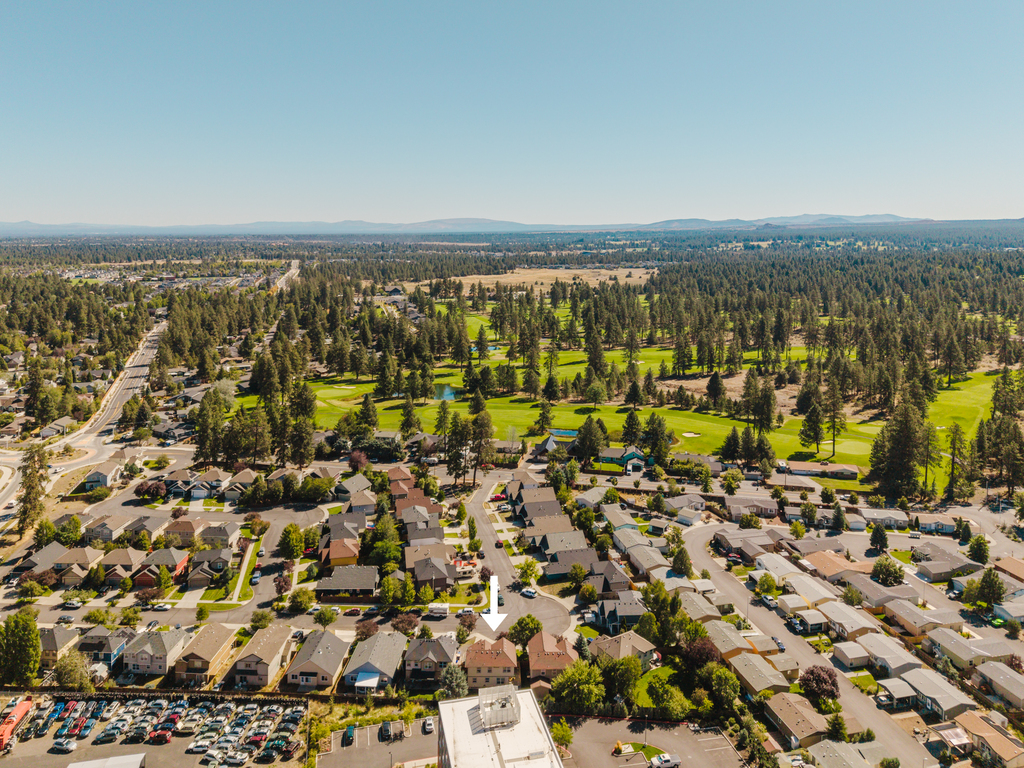

A home should fit the life you plan to live now. It is still reasonable to ask a second question before you buy: how easy will this property be to understand, maintain and market when you eventually sell?
There is no feature list that guarantees resale value. Bend buyers do not all want the same neighborhood, floor plan or finish package, and preferences can change before your next sale. A more useful approach is to evaluate the parts of the property that cannot be changed, the parts that are expensive to change and the evidence a future buyer will want to see.
Start With Marketability, Not a Promise of Appreciation
Future resale is less about predicting a price and more about reducing avoidable objections. Ask whether a future buyer can quickly understand the home’s location, condition, operating costs, permitted improvements and practical fit.
For each candidate home, separate the decision into three categories:
- Fixed: location, lot, street setting, nearby uses, basic orientation and much of the structure.
- Expensive to change: major systems, additions, garages, kitchens, bathrooms and substantial layout work.
- Usually easier to change: paint, lighting, hardware, some landscaping and other cosmetic finishes.
A strong purchase for you may still be specialized. That is not automatically a problem. It simply means you should understand the likely buyer pool and avoid paying as though every future buyer will value the same feature.
1. Evaluate the Location at Property Level
“Westside,” “near trails” or “walkable” is not enough. Two homes in the same neighborhood can have very different noise, sun, access, parking, slope, adjacent uses and wildfire exposure. Spend time at the property at more than one time of day and trace the trips that matter to your household.
Then verify the address rather than relying on a marketing description. The City of Bend zoning lookup can identify the city zoning designation, while Deschutes County DIAL provides assessor, tax-lot and mapping information. These tools are starting points, not substitutes for title work, surveys or agency confirmation.
Look beyond the parcel, too. A nearby vacant lot, public facility, collector street or commercial zone may affect daily life. David’s local due-diligence approach is to widen the lens: understand what surrounds the property, notice the question and then verify it with the right source.
2. Favor Functional Flexibility Over a Trend
An open floor plan is not universally better, and a closed plan is not automatically obsolete. Future usefulness depends on whether the home can handle ordinary needs without awkward compromises.
Walk the plan as if you were living there:
- Can furniture fit without blocking doors or circulation?
- Is there a quiet place for work, study or guests?
- Can a bedroom or flex room serve more than one purpose?
- Are bathrooms, laundry and storage located where they are practical?
- Do daylight, privacy and temperature differ sharply by room?
- Would aging, mobility or a multigenerational household make the stairs or bedroom locations difficult?
Adaptability can broaden how a home works, but it does not guarantee a premium. Compare the layout with recently sold homes in the same price range and area rather than with national design trends.
3. Put Condition and Documentation Ahead of Cosmetics
A fresh kitchen can be appealing, but a roof, HVAC system, electrical panel, drainage problem or unpermitted conversion can carry more financial weight. Review inspection findings, ages, serial numbers, service history and visible condition for the expensive systems before assigning value to finishes.
For additions, converted garages, decks, solar systems and other material work, ask for permits, final inspections, warranties and paid invoices. The City’s Online Permit Center explains how to look up property information and project status inside the city. County-jurisdiction properties use separate Deschutes County records. If the record is unclear, confirm it with the responsible agency rather than assuming completed work was approved.
Keep your own records after closing. A dated file of maintenance, repairs, permits, manuals and transferable warranties can help a future buyer evaluate the property. Our Central Oregon home-maintenance planning guide offers a property-specific way to build that record.
4. Treat Kitchens, Bathrooms and Outdoor Areas as Use Questions
Stone counters, luxury appliances and a large deck do not produce the same return in every home. Start with function:
- Does the kitchen have workable prep space, ventilation, storage and circulation?
- Are bathrooms in sound condition with effective ventilation and no moisture clues?
- Is the outdoor area usable for this lot, climate and maintenance budget?
- Will landscaping, irrigation, snow management or defensible-space work create ongoing obligations?
- Does the garage actually fit vehicles, storage and the household’s gear?
If you plan a major project, price it before you buy. Confirm what is permitted, get qualified estimates and compare the likely finished home with the local competitive set. The goal is not to avoid every improvement; it is to avoid assuming that personal spending will be recovered dollar for dollar. See our Bend renovation ROI decision guide for a more detailed framework.
5. Make Operating Costs Understandable
Future buyers may compare more than the mortgage payment. Collect what is available for utilities, insurance, HOA dues, major system age and recurring maintenance. Verify which utilities and service areas apply to the exact address.
Inside Bend, covered homes listed for sale are subject to the City’s Home Energy Score program, with exemptions and process details defined by the program. The City’s Home Energy Score FAQ explains the disclosure and how the score helps buyers compare estimated energy performance. A score is useful information, but it is not a promise about a particular household’s bills or future resale price.
For efficiency upgrades, document the work and the reason for it. Comfort, safety, lower maintenance or energy use may justify an improvement even when resale recovery is uncertain.
6. Test the Home Against Its Likely Future Competitive Set
The best evidence for future marketability is not a generic list of buyer preferences. It is the current behavior of comparable homes in the same area, price band and property type.
Before you remove a home from consideration—or pay extra for a feature—review recent comparable sales and competing listings with your agent. Ask:
- Which differences appear to affect price or time on market in this specific segment?
- Is the home typical for its neighborhood or unusually specialized?
- Would a realistic improvement solve the main objection?
- Are you paying today for work you may need to redo?
- Does the property still work if your holding period is shorter than planned?
Markets change, so this analysis should be refreshed when you are ready to sell. No purchase can eliminate market risk.
A Practical Resale-Minded Buyer Checklist
Before making an offer, record your answers to these questions:
- What about the location cannot be changed?
- What expensive system or layout work is likely during ownership?
- Which improvements are documented, permitted and complete?
- How flexible is the floor plan for different household needs?
- What are the realistic recurring costs?
- What comparable homes support the price you are considering?
- What feature could narrow the future buyer pool?
- Would you still choose the home if resale takes longer than hoped?
Use this alongside our Bend home-tour checklist so visual appeal and deeper due diligence remain separate.
Fit Today, Preserve Options for Tomorrow
Buying with resale in mind should not turn every decision into a prediction. Choose a home that serves your priorities, then use property records, inspections, local comparable sales and realistic project costs to understand the tradeoffs. That protects flexibility without pretending any feature guarantees long-term value.
If you want help comparing Bend homes at both the lifestyle and property-detail level, contact the Bend Relo team.
You can also explore:
- bendrelo.com — Property search and real-estate guidance
- movingtobend.com — Lifestyle insights and relocation planning
- bendrelocationservices.com — Professional relocation support
Talk with David & the Bend Relo team
Buying, selling, relocating, or evaluating a specific property? Tell us what you are working through. We are happy to help.