

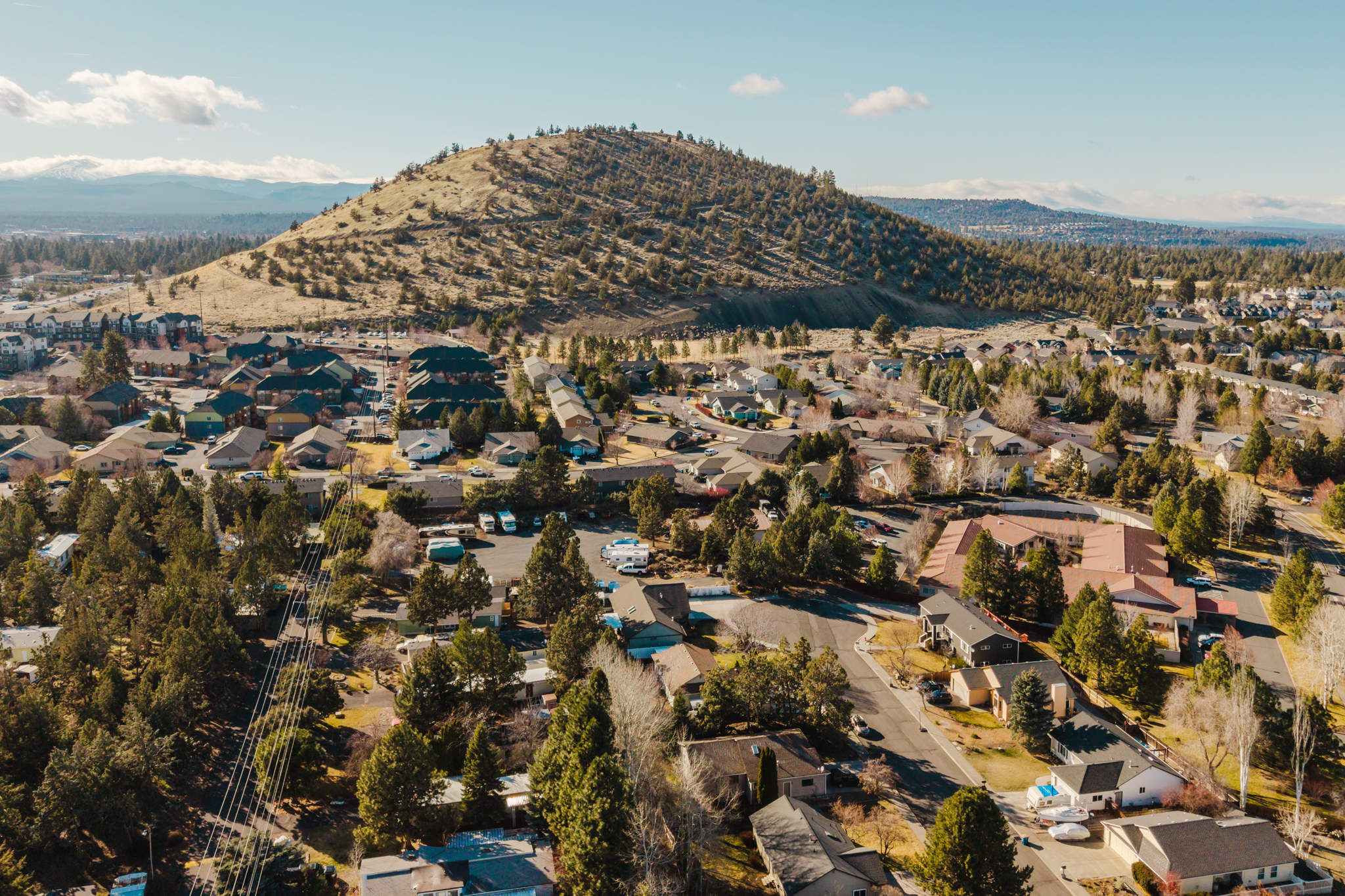

After buying a home in Oregon, your first priorities are to confirm recording and possession, secure the property, transfer address-specific services, organize closing and insurance records, and build a maintenance plan from the home’s actual systems. The right sequence depends on your contract, lender, service territory and property—not on a one-size-fits-all checklist.
This guide is designed for the first month after closing in Bend and Central Oregon. It separates urgent handoff tasks from work that can wait, and it points you to the agency or specialist responsible for each decision.
Closing day: confirm the handoff before you move in
Signing is not the same thing as recorded ownership. Follow the instructions from your escrow and title team, and wait for confirmation that the deed has recorded and possession is available under your purchase agreement before entering or moving belongings into the home.
Create one secure homeowner file—digital, paper or both—and save the final settlement statement, recorded-deed information, title policy when issued, loan details, homeowners-insurance policy, inspection reports, invoices, warranties and any seller-provided manuals. These records are useful for taxes, future repairs, insurance questions and an eventual sale.
Before the closing team disperses, make sure you know:
- Who will confirm recording and release keys
- How and when the first mortgage payment will be made
- Whether property taxes and insurance are escrowed
- Which repairs, credits or holdbacks are documented in the final papers
- Whom to contact if a payoff, title or recording question appears
First 24 hours: secure the home and document its condition
Change or rekey exterior locks, reset garage and gate codes, remove old smart-home users, and change alarm credentials. Photograph rooms, major systems and any agreed repair areas before moving furniture covers them. Keep model and serial numbers for the furnace, water heater, appliances and other important equipment.
Locate and label the main water shutoff, electrical panel, gas or propane shutoff, irrigation controls and any well or septic components. Do not operate an unfamiliar system just to test it; use the inspection report and call a qualified contractor when the controls or condition are unclear.
Test smoke and carbon-monoxide alarms and follow the manufacturer’s replacement instructions. The Oregon State Fire Marshal recommends monthly smoke-alarm testing and provides current placement and carbon-monoxide guidance. Review the home’s inspection findings rather than assuming a passed transaction means every system is maintenance-free. Our Bend home-inspection guide explains how to turn findings into a follow-up plan.
Transfer utilities by address—not by a generic provider list
Central Oregon service areas do not line up neatly with city names. A Bend mailing address may have City of Bend water, a different public or private water provider, a private well, sewer or septic, natural gas or propane, and location-specific electric, trash and internet options.
Start with the seller’s disclosures, closing file and recent bills, then verify each provider directly. If the property is served by City of Bend utilities, the city’s service and account change page explains how to start, stop or move service. Our Bend utility setup checklist covers the address-by-address research process, including rural systems and internet verification.
- Confirm the service start date and account name for electricity, water, sewer, gas or propane, trash and internet.
- Ask whether irrigation water, an HOA utility or a shared system has a separate account.
- Record septic pumping, well testing, water-treatment and propane-delivery history when those systems apply.
- Test internet performance at the property if remote work depends on it; advertised availability is not the same as installed service.
Review insurance and loan servicing details
Confirm that the insurance carrier has the correct property address, occupancy, mailing address and lender information. Ask the carrier to explain the coverage limits, deductibles, exclusions, wildfire-related underwriting conditions and how improvements or valuable personal property should be documented. Oregon’s Division of Financial Regulation home-insurance resources provide current consumer guidance and a help line for policy questions.
Loan servicing information can change after closing. Watch for official notices, verify the destination before sending money, and do not rely on unexpected payment instructions received by email or text. Set up automatic payments only through a verified servicer channel, and retain confirmation of the first payment.
Update your address and essential records
Forwarding mail is only one part of an address change. Update the accounts that affect identification, insurance, taxes, payroll and time-sensitive notices. Oregon DMV requires residents to report an address change within 30 days; the official DMV address-change page explains the current process and notes that DMV does not update the U.S. Postal Service for you.
Your list may include USPS, DMV, voter registration, employer and payroll records, banks and cards, insurance, medical providers, schools, subscriptions and any professional licenses. If you moved from outside Oregon, review the DMV’s new-resident requirements separately instead of assuming an address update completes licensing and vehicle registration.
Know who sends the property-tax bill
Oregon property tax is administered by the county where the property is located. Deschutes County receives the annual assessment and tax roll in October and mails statements; taxes are generally due November 15. Check the current account in Deschutes County DIAL, confirm the mailing address, and determine whether your lender will pay from escrow or you will pay the county directly.
A sale price does not automatically become the home’s taxable assessed value. Oregon’s system distinguishes real market value from assessed value, and new construction or other exceptions can affect the calculation. See our reviewed Oregon property-tax guide for Bend buyers, then use the county assessor or tax office for parcel-specific questions.
Turn the inspection report into a first-season plan
A generic maintenance calendar is less useful than a plan built from the home’s age, materials, equipment and site. Begin with safety items, active leaks, drainage, heating and cooling, roof and gutter conditions, vegetation near structures, irrigation shutdown needs and any specialist follow-up identified during due diligence.
In Central Oregon, the first seasonal deadline matters. A fall closing may put freeze protection, irrigation shutdown and heating service first. A spring or summer closing may move defensible space, cooling, exterior sealing and water use higher on the list. Rural homes may add well, septic, propane, private-road and outbuilding responsibilities.
Our Central Oregon preventive-maintenance guide helps organize those tasks without pretending every house needs the same schedule. Obtain qualified evaluations and estimates before turning an inspection observation into a repair scope.
A practical first-month checklist
- Day 1: Confirm recording and possession, secure access, photograph condition and locate shutoffs.
- Days 1–3: Verify utilities, internet and any well, septic, propane, irrigation or HOA accounts.
- Week 1: Test alarms, review inspection follow-ups, confirm insurance and verify loan-servicing instructions.
- Weeks 1–2: Update DMV, mail and financial records; organize warranties, manuals and closing documents.
- By day 30: Confirm the property-tax account, build a first-season maintenance list and schedule only the specialists the property actually requires.
Questions after closing?
A good post-closing plan is specific to the address and clear about who owns each answer: escrow and title for recording, the lender for servicing, the county for property taxes, the utility for service territory, the insurer for coverage, and qualified contractors for the home’s systems.
If you bought through Bend Relo and need help locating the right local resource, or if you are planning a Central Oregon purchase and want to understand the handoff before you write an offer, contact the Bend Relo team. We can help you organize the property-specific questions and connect the transaction to the practical realities of owning the home.
Talk with David & the Bend Relo team
Buying, selling, relocating, or evaluating a specific property? Tell us what you are working through. We are happy to help.





