

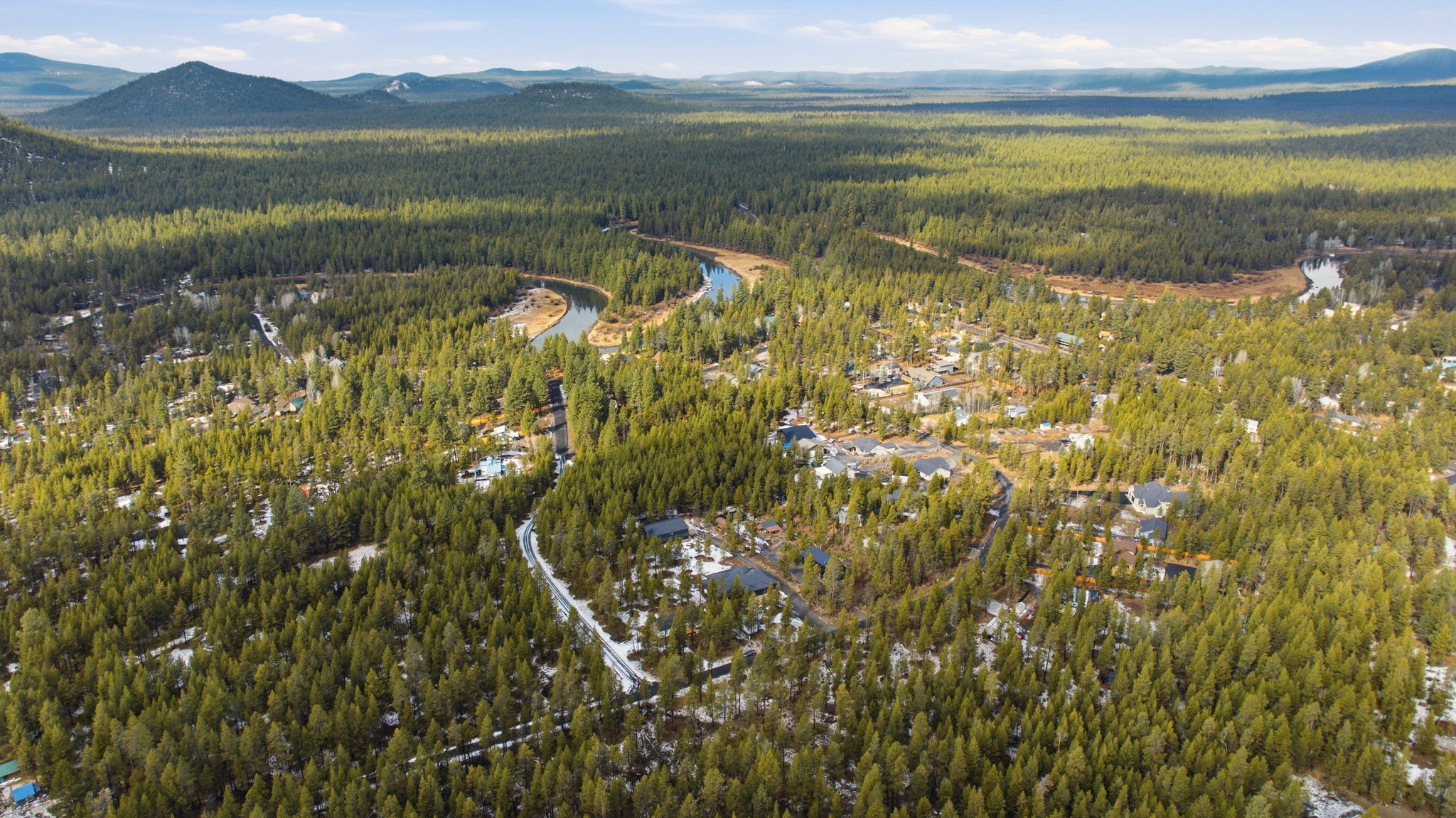
Your first winter in Bend is usually easier when you prepare for the routines—not just the weather. The most useful questions are practical: Which roads on your normal route are plowed first? Who clears the sidewalk or private road? Does your vehicle meet Oregon traction requirements? Where are the shutoffs, shovels and storm supplies?

Bend’s winter experience varies by address, elevation, shade, driveway grade and commute. A home close to a priority street may feel very different after a storm than one on a quieter residential lane or outside city limits. Use this guide to build a plan around the home and daily routes you will actually use.
Start With Four Reliable Information Sources
Bookmark these before the first storm:
- City of Bend winter road maintenance for plowing priorities and local operations.
- Bend Transportation Hub winter operations for the City’s map and recent service information.
- ODOT TripCheck for highway conditions, incidents, cameras and restrictions.
- City of Bend winter tips for local driving, weather and household resources.
A phone weather app is useful, but it does not replace checking the actual highway, pass or city route you plan to drive. Conditions can differ significantly between Bend, the Cascade Lakes Highway corridor and mountain passes.
Know What Gets Plowed—and What May Not
The City prioritizes major roads, emergency routes and other high-use streets. Its objective is to keep roads passable during winter storms; that does not mean every street will be bare pavement at the same time. Residential streets and cul-de-sacs may require more patience, and conditions can change after a plow has passed.
Before choosing a winter route, identify:
- The priority streets between home, work, school and essential services.
- Any steep, shaded or low-visibility sections that may stay slick.
- Whether the final stretch is a city street, county road, private road or HOA-maintained lane.
- Where snow storage or a plow berm could affect driveway access.
- A realistic alternate route if your preferred route becomes difficult.
If you are buying a home, ask specifically who maintains the road and who pays for plowing. “Road access” and “winter-maintained access” are not always the same thing.
Prepare the Vehicle You Actually Drive
Oregon’s chain law applies statewide. When signs require chains or traction tires, the correct equipment depends on the vehicle, road conditions and posted restriction. Review Oregon’s chain law and traction-tire guidance before you need it.
A sensible winter vehicle check includes:
- Tires with adequate tread and the right rating for your driving.
- Chains or approved traction devices that fit the vehicle, plus practice installing them.
- A healthy battery, working lights and winter-rated washer fluid.
- An ice scraper, snow brush, gloves and a small shovel.
- Warm layers, water, basic food and a phone charging option.
Four-wheel or all-wheel drive can help a vehicle move, but it does not shorten every stop or eliminate the risk of ice. Leave more following distance, make smooth inputs and change the trip when conditions exceed your comfort or equipment.
Clarify Snow and Ice Responsibilities at Home
Inside Bend, adjacent sidewalks are generally the property owner’s responsibility even when a street plow pushes additional snow toward the edge of the road. The City’s residential snow-removal guide explains the current expectations. Renters should confirm what the lease assigns to the tenant, and owners in an HOA should read the governing documents rather than assume the association handles everything.
Before snow arrives, decide:
- Where the shovel, ice melt or traction sand will be stored.
- Who will clear the driveway, walks, steps and access to utility equipment.
- Where removed snow can go without blocking sight lines, drainage or another property.
- Whether a contractor is needed for travel periods, mobility limitations or a long driveway.
- How deliveries, trash collection and emergency access will work after a storm.
For pipes, irrigation, heating, roof drainage, outages and vacant-home planning, use Bend Relo’s separate Bend home winterization checklist. That home-systems work is distinct from the daily-life planning covered here.
Build a Storm Plan Before You Need One
A modest household kit makes a short disruption much easier. The Deschutes County Sheriff’s Office emergency-kit guidance is a useful starting point. Tailor it to medications, pets, children, well or septic systems, and any household member who depends on powered medical equipment.
At minimum, think through:
- Water, shelf-stable food and a manual can opener.
- Flashlights, batteries, first aid and necessary medications.
- Warm clothing, blankets and safe backup charging.
- Contact information for utilities, property management, the HOA and road-maintenance providers.
- A plan for safely staying elsewhere if heat, power or access becomes a serious problem.
Never use grills, generators or fuel-burning outdoor equipment inside a home, garage or other enclosed space. Follow the manufacturer’s directions for any backup-power or heating device.
Plan Winter Recreation Separately From an In-Town Errand
One reason people move to Bend is that winter can expand the recreation calendar. But a trip to a Sno-Park, Mt. Bachelor or a trailhead is not the same as driving across town. Check TripCheck, weather, daylight, parking rules and your turnaround time. Some winter recreation areas require a Sno-Park permit; use the current Oregon Sno-Park directory and posted signs rather than relying on an old trip report.
For a local look at the season, Bend Relo’s Winter Wonderland in Bend feature highlights the lifestyle side of winter. It complements—not replaces—the current road, permit and safety sources above.
Use the First Storm as a Test Run
Your first meaningful snowfall will show where the plan needs work. Notice how early your street is serviced, where ice forms, whether the driveway berm is manageable and how long the normal commute takes. Adjust supplies and routes while the experience is fresh.
If you are still choosing a home, visit the area in winter if possible. Look beyond the listing photographs and ask about driveway exposure, road jurisdiction, plowing arrangements, sidewalk responsibility, heating fuel, tree and roof-snow management, and access during travel.
Questions to Ask Before Buying or Renting
- Who plows the street, private road, alley or shared driveway?
- What do the lease or HOA documents require after snowfall?
- Where can snow be stored on the lot?
- What are the primary and backup heat sources?
- Are the water shutoff and exterior hose connections easy to access?
- How does the daily route connect to the City’s higher-priority streets?
- What winter equipment or service contracts convey with the property?
A More Confident First Winter in Bend
The goal is not to fear winter or assume every storm will be disruptive. It is to understand how a particular home, route and household function when snow and ice arrive. A few address-specific checks usually provide more value than a generic promise that Bend winters are either “easy” or “extreme.”
Explore Bend Relo’s Central Oregon community guides, or contact the Bend Relo team to compare the winter-living tradeoffs of homes and neighborhoods you are considering.
- bendrelo.com — Property search and local real estate guidance
- movingtobend.com — Lifestyle insights for planning a move
- bendrelocationservices.com — Professional relocation support
Talk with David & the Bend Relo team
Buying, selling, relocating, or evaluating a specific property? Tell us what you are working through. We are happy to help.





