

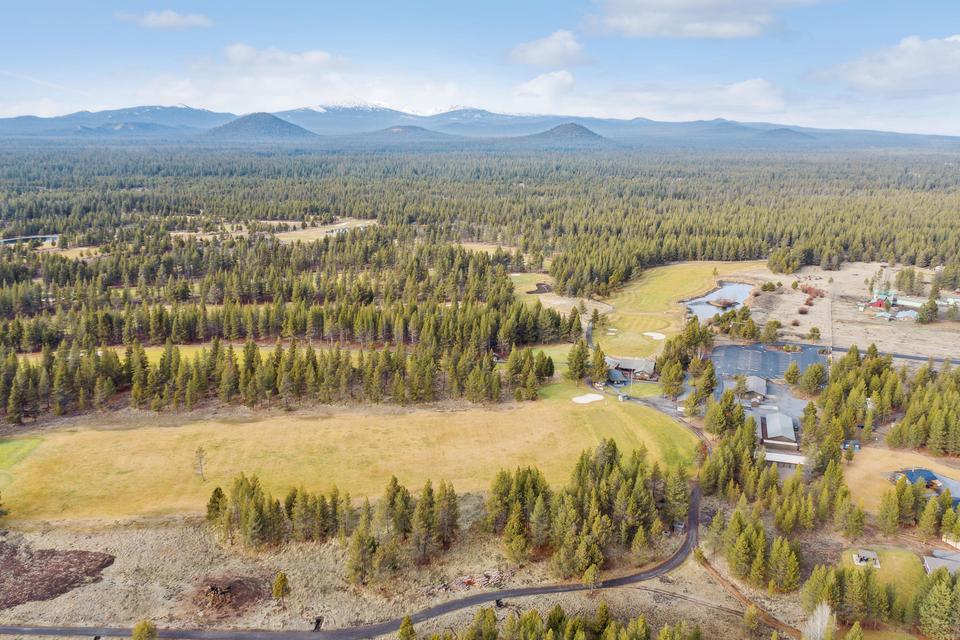

The cost of maintaining a Bend home is driven less by the name of the season than by the property’s systems, site and service obligations. Two homes a few blocks apart can have very different annual workloads if one has a long sloped driveway, mature pines, a large irrigated landscape and older heating equipment while the other has a compact lot and an HOA that handles exterior work.
For buyers, the useful question is not “What does home maintenance cost in Bend?” It is: Which seasonal jobs belong to this specific property, who performs them, and which larger components should I budget to repair or replace?
Build the budget in three layers
A practical maintenance budget separates expenses that occur on different timelines:
- Recurring seasonal work: heating-system service, irrigation startup and winterization, snow removal, gutter cleaning, vegetation work and routine exterior upkeep.
- Property-specific obligations: private-road maintenance, well or septic service, HOA responsibilities, tree care, defensible-space work and equipment for a larger site.
- Longer-term reserves: roof, exterior coating, deck, driveway, heating and cooling equipment, water heater, irrigation components and other systems that will eventually need major repair or replacement.
This approach is more useful than assigning one generic annual number. It also makes comparisons fairer: a home with a higher purchase price may have newer systems and fewer immediate projects, while a less expensive home may require a larger reserve.
Winter: access, heat, water and snow
Winter costs usually begin with the heating system and the amount of exterior access the owner must manage. During due diligence, identify the heat source, equipment age, recent service history, backup heat and the portions of the home served by each system. The U.S. Department of Energy recommends evaluating heating equipment as part of a whole-house approach that also considers insulation and air sealing.
Then map the snow responsibility. A short, level in-town driveway is different from a steep driveway or private road. Ask who plows, where snow can be stored, whether the HOA or a road agreement covers any portion, and what equipment or contracted service the property has historically needed. The City of Bend’s winter guidance also explains local snow operations and the owner’s responsibility for sidewalks bordering the property.
Water systems deserve their own review. Locate exterior faucets, irrigation shutoffs, vulnerable supply lines and any plumbing in unconditioned areas. For step-by-step cold-weather preparation, use our separate Bend home winterization checklist; this article is about identifying the budget before you buy.
Spring: inspect what winter exposed
Spring is a useful time to look for damage or deferred work rather than assume winter caused none. Roof edges, gutters, downspouts, decks, exterior finishes and drainage paths can reveal issues after snow and freeze-thaw cycles. Oregon State University Extension recommends a regular interior and exterior inspection for moisture and other conditions that can become costly when ignored.
For a buyer, ask whether the seller has invoices for roof work, gutter service, drainage correction, exterior staining or painting, and irrigation repairs. A clean inspection report does not predict every future expense, but it can help distinguish routine upkeep from a system approaching replacement. Our Bend home-inspection guide explains how to use the inspection period for broader property due diligence.
Spring is also when many irrigation systems are restarted. Confirm the number of zones, controller type, backflow equipment, leak history and whether startup is owner-performed or contracted. A large landscaped lot has a different maintenance profile from native or low-water landscaping.
Summer: irrigation, vegetation, cooling and wildfire work
Summer maintenance in Bend often shifts toward water use, landscaping and vegetation management. Review the actual landscape rather than treating every yard alike: turf, drip irrigation, mature trees, native areas and steep or rocky terrain create different labor and water demands. The City of Bend’s outdoor-watering rules cover watering times, schedules and runoff, while OSU Extension’s Central Oregon waterwise guide provides region-specific landscape guidance.
Wildfire preparation is recurring property care, not a one-time checkbox. Look at combustible debris near structures, roof and gutter conditions, tree and shrub spacing, decks, fences, outbuildings and access for emergency response. The Oregon State Fire Marshal offers defensible-space guidance and free educational assessments. Scope and cost depend on the site; avoid assuming that a tidy-looking yard has completed every recommended task.
Cooling needs also vary. Some homes rely on central air conditioning or a heat pump, while others use ductless systems, portable units or nighttime ventilation. Ask for service records and review the home’s orientation, windows and shading along with the equipment. For a better monthly estimate, compare actual bills using our Bend utility-cost guide.
Fall: prepare systems before the first hard freeze
Fall is when several predictable jobs can collide: irrigation winterization, heating service, gutter and roof cleanup, exterior-faucet preparation and snow-equipment setup. OSU Extension notes that irrigation systems should be inspected before winter and again before spring operation; the correct winterization method depends on the system.
During a purchase, determine which work has already been scheduled or completed and what transfers with the property. Ask for the most recent service invoices rather than relying on “winterized” or “professionally maintained” as a complete answer. If the closing occurs near freezing weather, put responsibility and timing in writing with the appropriate professionals.
Property features that can multiply seasonal work
The following features are not automatically negative, but they deserve their own maintenance line:
- a long, steep or private driveway;
- large irrigated lawn or multiple irrigation zones;
- mature trees close to structures;
- wood siding, large decks or extensive exterior trim;
- multiple heating or cooling systems;
- flat or complex roof areas and difficult gutter access;
- private well, septic, propane or road responsibilities;
- detached shops, barns, hot tubs or other accessory systems; and
- HOA rules that require maintenance but do not pay for it.
For rural or larger-parcel properties, use our separate Central Oregon acreage cost and maintenance checklist. It covers wells, septic systems, private roads, land management and equipment choices in more depth.
A buyer’s seasonal maintenance worksheet
Before comparing two homes, collect the same evidence for each one:
- Request 12 months of available utility history and identify every energy and water provider.
- List the age, fuel source and service history of heating, cooling and water-heating equipment.
- Record roof type and age, gutter configuration, exterior materials, decks and visible drainage features.
- Map snow-removal responsibility for the driveway, sidewalk and any private road.
- Inventory the irrigation system, landscaping, trees and recurring vegetation work.
- Review wildfire-related conditions and obtain a property-specific insurance quote early.
- Separate HOA-maintained items from owner-maintained items.
- Identify which jobs require a contractor and which the owner realistically plans to perform.
- Create reserves for major components instead of treating every expense as a predictable annual bill.
Also read our home-insurance guide for Bend buyers. Insurance availability, deductibles and property conditions can affect the ownership budget before a maintenance project ever begins.
Use the property—not a generic estimate—to make the decision
Bend’s seasons create a rhythm of work, but the house and site determine the real scope. A useful budget connects each system and obligation to a service history, likely next step and responsible party. That gives buyers a clearer comparison than a broad claim that Bend homes are simply expensive—or inexpensive—to maintain.
If you are evaluating homes in Bend or elsewhere in Central Oregon, Bend Relo can help identify the property features and records worth investigating so you can bring the right inspectors, contractors, insurance professionals and other specialists into the decision.
- bendrelo.com — Property search and Central Oregon real estate guidance
- movingtobend.com — Lifestyle and relocation information
- bendrelocationservices.com — Professional relocation support
This guide provides general real estate information, not maintenance, engineering, insurance or contracting advice. Verify property-specific conditions and costs with qualified professionals.
Talk with David & the Bend Relo team
Buying, selling, relocating, or evaluating a specific property? Tell us what you are working through. We are happy to help.





