
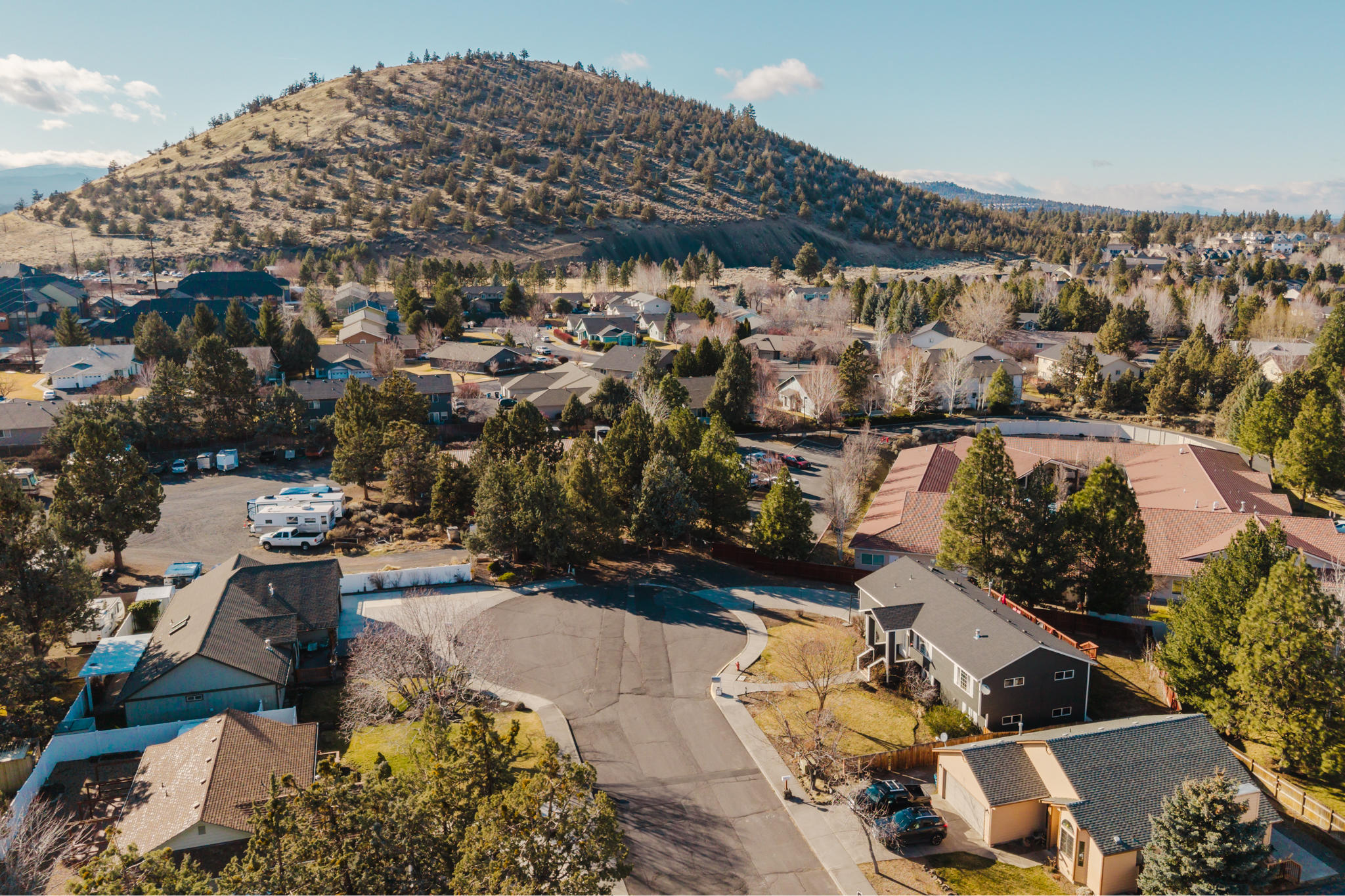
Living with “Lava Rock”: The Engineering Costs and Rewards of Building on Bend’s Unique Volcanic Terrain
If you’ve spent time exploring properties in Bend, you’ve likely noticed one defining feature beneath the soil—lava rock. Bend’s volcanic past has created a striking natural landscape, but it also presents unique engineering challenges for builders and homeowners.
At our real estate company, we often help clients navigate questions about building or buying homes on Bend’s volcanic terrain. While lava rock can increase upfront construction costs, it also offers lasting benefits that make many properties highly desirable. Understanding both sides of the equation is key to making informed real estate decisions.
Key Takeaways
- Lava rock is a common feature across Bend and plays a major role in construction planning.
- Building on volcanic terrain may increase excavation and foundation costs.
- Proper engineering solutions ensure safe, durable homes built to last.
- Homes built on lava rock often benefit from excellent drainage and long-term stability.
- Working with experienced local builders and real estate professionals is essential.
Understanding Bend’s Volcanic Landscape
Bend’s terrain is shaped by thousands of years of volcanic activity. Beneath the surface in many neighborhoods lies hardened basalt and lava flows that formed long before modern development began.
This natural geology influences everything from lot preparation to landscaping.
What Is Lava Rock?
Lava rock, often basalt in Bend, is a dense volcanic stone formed when molten lava cools rapidly. It can vary in depth depending on the property location, meaning some lots require minimal work while others demand extensive excavation.
From a real estate perspective, this variability is why lot evaluation is one of the most important early steps in any building project.
The Engineering Challenges of Building on Lava Rock
Building on lava rock requires specialized tools, planning, and construction techniques. Unlike softer soils, volcanic rock cannot be easily graded or removed without heavy equipment.
Common challenges include:
- Excavation complexity requiring blasting or specialized drilling
- Foundation preparation that demands precise engineering
- Utility installation requiring trenches through solid rock
- Landscaping limitations due to shallow soil depth
These challenges can increase timelines, but they also result in exceptionally stable foundations when handled correctly.
Why Site Testing Matters
Before construction begins, professional testing evaluates the depth and density of lava rock. This helps determine:
- Foundation design requirements
- Excavation cost estimates
- Drainage planning
- Utility routing strategies
For buyers considering custom builds, this step provides valuable clarity on total project costs.
The True Costs of Building on Volcanic Terrain
Construction costs in lava rock areas can be higher than in regions with softer soil, but those costs vary widely depending on the property.
Typical Cost Factors
Several elements influence the final price of building on lava rock:
- Depth of rock beneath the surface
- Need for blasting or mechanical excavation
- Foundation engineering requirements
- Utility trenching complexity
- Retaining wall or grading needs
While these factors may raise initial expenses, they are often balanced by long-term durability and performance benefits.
From our experience working with clients in Bend, careful planning and professional guidance significantly reduce unexpected costs.
The Rewards of Lava Rock Foundations
Despite the challenges, lava rock offers meaningful advantages that make many Bend properties attractive for long-term ownership.
Structural Stability
One of the biggest benefits of building on lava rock is foundation strength. Solid rock provides an exceptionally stable base, reducing risks associated with shifting soils.
Excellent Drainage
Volcanic terrain often allows water to move efficiently away from structures. This natural drainage reduces the likelihood of standing water and foundation moisture problems.
Unique Landscaping Opportunities
While landscaping can require creativity, lava rock also creates visually striking outdoor spaces that reflect Bend’s natural environment.
Homeowners often incorporate:
- Natural rock features
- Native plants suited to shallow soil
- Decorative stonework
- Tiered outdoor living areas
These elements add character and enhance curb appeal.
How Lava Rock Affects Property Value
Properties built on lava rock are common in Bend, meaning buyers generally expect this feature rather than view it as a drawback.
In many cases, well-designed homes on properly prepared lots maintain strong market value due to:
- Durable construction
- Lower long-term structural risk
- Attractive natural surroundings
- Desirable neighborhood locations
Buyers who understand the benefits of lava rock foundations often see them as an asset rather than a concern.
Tips for Buyers Considering Lava Rock Properties
If you’re purchasing or building in Bend, understanding the property’s geological characteristics is essential.
Key recommendations include:
- Request geological and soil reports when available
- Work with builders experienced in lava rock excavation
- Budget for potential additional site preparation
- Plan landscaping strategies early
- Review utility installation requirements
Our team regularly helps buyers evaluate these factors so they can make confident decisions before committing to a property.
The Importance of Working with Local Experts
Building or buying on volcanic terrain is not unusual in Bend—but it does require local knowledge. Contractors, engineers, and real estate professionals familiar with lava rock conditions can anticipate challenges and recommend effective solutions.
Partnering with experienced professionals helps ensure:
- Accurate budgeting
- Realistic timelines
- Safe construction practices
- Long-term property satisfaction
Local expertise often makes the difference between a smooth project and costly surprises.
Why Lava Rock Is Part of Bend’s Real Estate Identity
Lava rock isn’t just a construction factor—it’s part of what makes living in Bend unique. The same geological history that created rocky terrain also shaped the region’s scenic beauty, outdoor recreation, and distinctive neighborhoods.
From a real estate standpoint, understanding the relationship between geology and development helps buyers appreciate both the costs and rewards of building in this remarkable landscape.
At our real estate company, we’re committed to helping clients navigate Bend’s unique terrain with confidence. Whether you’re planning to build from the ground up or purchase an existing home, we’re here to guide you through the process and help you make smart, informed choices every step of the way.