

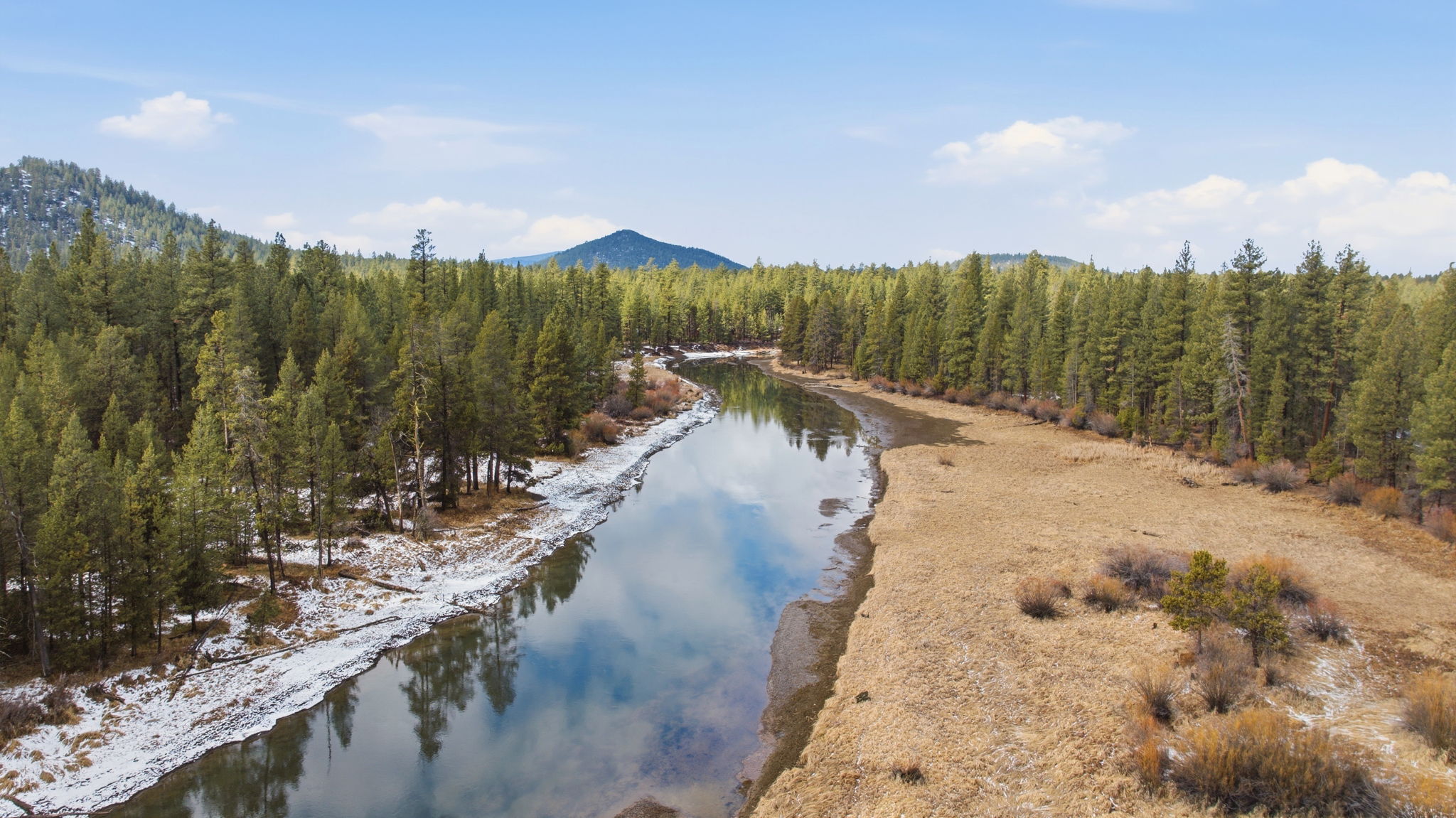
The better Bend home is not automatically the one closest to the mountain or a trailhead. It is the one that makes your normal recreation routine easy without creating avoidable problems with winter access, storage, maintenance, insurance, or resale. Skiers should test the full storm-day route and snow-management plan. Mountain bikers should verify whether “near trails” means a legal ride from the house or a drive to a trailhead.
This comparison is a practical starting point for buying a Bend home around skiing, snowboarding, or mountain biking. It is not a neighborhood ranking. Access, road conditions, trail rules, and property features vary by address and can change over time.
Start With the Routine, Not the Marketing
Before touring homes, describe a real recreation day from start to finish. Where does wet gear go? Which vehicle carries it? Do you leave before sunrise? Will you tune skis or work on bikes at home? Does “ride from home” matter, or are you comfortable loading a rack and driving?
That exercise usually produces a more useful search than a broad request to live “close to recreation.” A house can appear convenient on a map but still add friction through a steep driveway, limited garage depth, an awkward street connection, or no place to dry and secure equipment.
What Skiers and Snowboarders Should Check
Drive the Actual Winter Route
Mt. Bachelor’s official driving guidance notes that winter access approaches the resort through Bend or Sunriver and that Cascade Lakes Highway closes beyond the resort during winter. The mountain also advises checking current road conditions because heavy snow, low visibility, and wind can make the trip challenging. Instead of relying on a summer map estimate, drive from the property at the time of day you expect to travel and identify the roads you would use in a storm.
For each serious candidate, confirm:
- whether the street is public, private, or HOA-maintained;
- who plows the road, driveway, shared lane, and sidewalks;
- whether on-street parking can interfere with plowing or snow storage;
- the driveway grade, drainage, sun exposure, and space for snow piles; and
- whether the garage fits your vehicle, roof box, and winter equipment.
The City of Bend prioritizes major roads, emergency routes, and high-traffic streets during storms; it does not promise the same treatment for every residential street. For an HOA or private road, read the governing documents and maintenance agreement rather than assuming the arrangement from nearby properties.
Plan for Wet Gear and Cold-Weather Systems
A mudroom is helpful, but it is not automatically essential. Look for a durable path from parking to a ventilated drying area, space for boots and outerwear, and flooring that can tolerate water and grit. A garage, utility room, laundry area, or well-designed entry can work if it has enough clearance and airflow.
Also evaluate the home itself: heating performance, pipe exposure, insulation, roof drainage, exterior hose connections, and the location of shutoffs. A general home inspection is the starting point, not a warranty. Our Bend home-inspection guide explains how to organize property-specific due diligence, while the cold-weather checklist covers seasonal maintenance after closing.
What Mountain Bikers Should Check
Define What “Trail Access” Means to You
For one buyer, access means pedaling from the garage to dirt. For another, a short drive to a trailhead is perfectly reasonable. Make that distinction before paying a premium for a location.
Phil’s Trail is a meaningful West Bend lifestyle landmark, but the broader network is managed across different landowners and rules. The Central Oregon Trail Alliance route resources are a useful planning reference, and current land-manager information should control. Verify the exact legal route from a house, road crossings, seasonal closures, one-way designations, and whether your type of e-bike is permitted. COTA specifically notes that it helps steward trails but does not set e-bike rules, which is why the applicable land manager matters.
Ride or walk the connection before closing when practical. A listing phrase such as “near Phil’s Trail” does not establish a safe or legal door-to-trail route.
Measure the Storage and Work Area
Secure storage matters more than an attractive garage photo. Measure the usable wall length and ceiling height after cars, trash bins, mechanical equipment, and doors take their space. Then test whether the area can accommodate:
- the number and style of bikes you own;
- racks without blocking vehicles or egress;
- a repair stand and basic tools;
- battery charging that follows manufacturer and electrical guidance;
- mud and dust cleanup without sending water toward the foundation; and
- locks or other security appropriate to the property.
Do not assume a hose bib, floor drain, workshop circuit, or exterior storage structure can be added later without cost or approval. Check utilities, drainage, permits, and HOA rules during due diligence.
Homes That Need to Serve Both Sports
Many Bend households ski in winter and ride during the warmer season. In that case, flexible space is usually more valuable than a room designed for only one activity. A practical setup often includes vertical storage, durable flooring, ventilation, a bench, washable surfaces, and enough electrical capacity for the equipment you actually use.
Compare the tradeoffs explicitly:
- Route versus lot: Is a faster recreation route worth a smaller lot, steeper driveway, or busier street?
- Garage versus living space: Would you give up interior square footage for secure, usable gear storage?
- Ride-out access versus flexibility: Would a broader home search and short trailhead drive produce a better everyday fit?
- HOA services versus restrictions: Do snow removal or common-area benefits outweigh rules affecting racks, exterior storage, parking, or improvements?
A Local Mountain-Biking Perspective
Bend Relo’s owned video library includes this short Dave-led ride on Tiddlywinks Trail. It is useful context for the kind of trail experience that draws riders to Central Oregon, but it is not a substitute for checking current trail conditions, access rules, or the route from a specific home.
Watch the mountain-biking video on YouTube.
Buyer Checklist for a Recreation-Focused Bend Home
Use this list at a second showing and during due diligence:
- Drive the intended mountain or trail route under realistic conditions.
- Confirm road ownership, winter priority, snow removal, and shared-access obligations.
- Measure vehicles, roof boxes, racks, bikes, and storage zones.
- Inspect heating, drainage, roof, driveway, and exterior water systems.
- Read HOA and private-road documents for parking, storage, and improvement rules.
- Verify trail connections and e-bike rules with the current land manager.
- Ask your insurer about the actual property rather than assuming coverage or cost.
- Price any storage, electrical, drainage, or entry improvements before removing contingencies.
Choose the Home That Works on an Ordinary Tuesday
The right answer is rarely “skiers should buy here” and “bikers should buy there.” It depends on how often you go, whether you want to leave from home, what you need to store, and what tradeoffs you are willing to make for the rest of your week.
If you are comparing Bend homes around skiing, snowboarding, or mountain biking, contact the Bend Relo team. We can help you turn your recreation routine into property-specific questions and verify the details that matter before you commit.
Talk with David & the Bend Relo team
Buying, selling, relocating, or evaluating a specific property? Tell us what you are working through. We are happy to help.





