
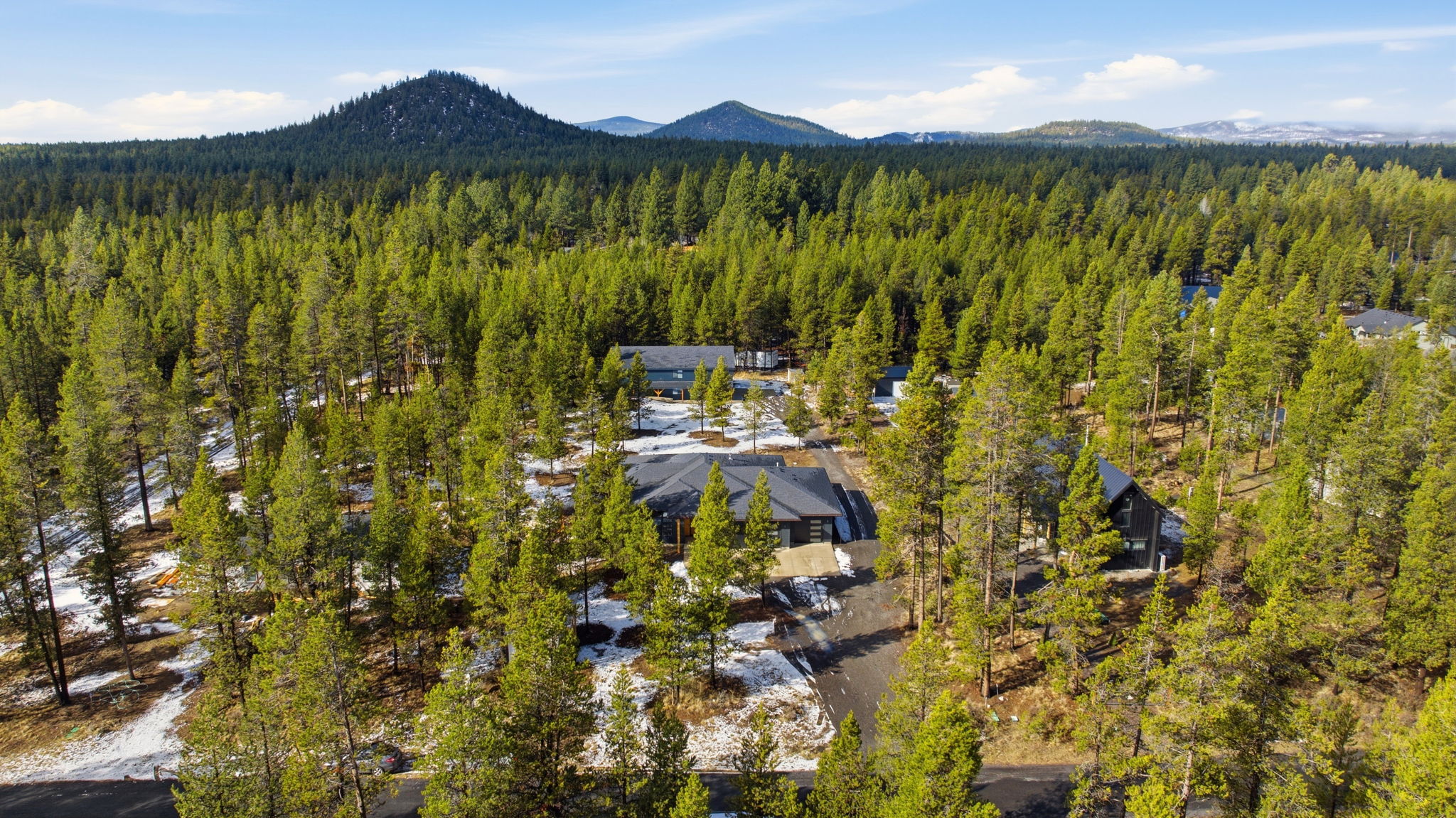
The Redmond “Overflow”: Why Investors Are Pivoting to Redmond for Long-Term Rentals as Bend Reaches Its “Rent Cap” Limits
As Central Oregon continues to evolve, a noticeable shift is happening in the investment landscape. While Bend has long been the primary target for real estate investors, 2026 is seeing increased attention on neighboring Redmond—particularly for long-term rental opportunities.
With pricing pressures, rent stabilization limits, and affordability challenges shaping Bend’s market, Redmond is quickly emerging as the next strategic move.
Key Takeaways
- Bend’s rising home prices and rental ceilings are limiting investor returns
- Statewide rent stabilization laws cap annual rent increases
- Redmond offers lower entry prices and stronger rent growth potential
- Investors are targeting Redmond for long-term rental stability
- Population growth and inventory expansion are fueling Redmond’s appeal
Bend’s “Rent Cap” Reality in 2026
Oregon’s statewide rent stabilization law (SB 608) limits annual rent increases to 7% + CPI (max 10%), directly impacting investor upside in markets like Bend.
At the same time, Bend’s rental prices are already elevated, with median rents around $2,400/month and strong year-over-year growth in recent years.
This creates a ceiling effect:
- Rents are high, but future increases are capped
- Cash flow growth becomes more predictable—but limited
- Investors face tighter margins when factoring in high acquisition costs
The Cost Barrier: Bend vs. Redmond
Bend remains one of the most expensive markets in Central Oregon, with median home prices significantly higher than surrounding areas.
Meanwhile, Redmond presents a more accessible entry point:
- Lower purchase prices
- Increasing inventory levels
- More flexibility in property types
This price gap is a key driver behind the “overflow” effect—where demand spills into neighboring markets.
Redmond’s Rental Growth Story
Redmond isn’t just the affordable alternative—it’s growing in its own right.
- Average rents are around $1,897–$1,957/month in 2026
- Rental prices have increased nearly 6% year-over-year
- Continued population growth is fueling demand
For investors, this means:
- Lower entry cost + steady rent growth
- Stronger potential for long-term appreciation
- Increasing tenant demand from Bend commuters
Why Investors Are Pivoting Now
Several factors are aligning to push investors toward Redmond:
Affordability and Cash Flow
Lower acquisition costs allow for better rent-to-price ratios compared to Bend.
Supply and Expansion
Unlike Bend, where land and development are more constrained, Redmond is seeing more new listings and expansion opportunities.
Commuter Market Growth
Redmond is increasingly serving as a commuter hub for those working in Bend but priced out of living there.
Stabilized—but Limited—Bend Returns
With rent caps and already elevated pricing, Bend is shifting from a growth play to a stability play.
The “Overflow” Effect Explained
The concept is simple: when a primary market becomes too expensive or constrained, demand naturally flows outward.
In Central Oregon:
- Bend = lifestyle-driven, high-demand, premium pricing
- Redmond = value-driven, growth-oriented, investor-friendly
This dynamic is accelerating in 2026 as more buyers and renters seek affordability without leaving the region.
What This Means for Investors
For those looking at long-term rentals, strategy matters more than ever:
- Bend may still offer appreciation and prestige
- Redmond offers stronger cash flow potential and scalability
The smartest investors are not choosing one over the other—they’re understanding how both markets play different roles in a balanced portfolio.
Looking Ahead
As Central Oregon continues to grow, Redmond’s role is expected to expand alongside it. With more development, increasing demand, and relative affordability, it’s no longer just a secondary option—it’s becoming a primary investment target.
Final Thoughts
The shift toward Redmond isn’t случай—it’s strategic.
As Bend approaches its functional “rent cap” limits, investors are looking for the next opportunity to maximize returns while minimizing risk. Right now, that opportunity is increasingly found just north of Bend.
Understanding this “overflow” trend can help investors stay ahead of the curve—and position themselves where the market is heading next.