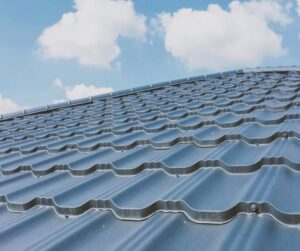
Metal roofing shows up on a range of Bend homes, from contemporary new construction to cabins, shops and properties with a mix of roof materials. The material can be a practical choice, but “metal roof” is not a complete condition report. Panel type, coating, installation details, roof geometry, attic conditions and maintenance history all matter.
For a buyer, the useful question is not whether metal is automatically better than another roof covering. It is whether this particular roof was permitted where required, installed as a complete system and maintained for the home and site.
What matters most in a Bend purchase
- Installation and permit history: ask when the roof was installed, who performed the work and whether the required permit and inspections were completed.
- System details: identify the panel profile, metal, finish, underlayment, flashing and any snow-retention components.
- Current condition: look beyond the panels to seams, fasteners, penetrations, edges, drainage and the attic below.
- Property-specific performance: roof pitch, shade, exposure, nearby trees, insulation and ventilation can change how the system behaves.
- Documentation: review invoices, warranties, repairs, contractor information and any manufacturer maintenance requirements.
Start with permits and contractor records
The City of Bend says most reroofing projects require a permit. Its current guide also flags additional review for designated historic properties or homes in historic districts, and a separate electrical permit when solar-panel work is part of the project. Requirements can vary by jurisdiction and scope, so confirm the address rather than assuming the same rules apply everywhere in Central Oregon.
Ask for the permit number, final inspection record, contract and paid invoice. If a seller cannot provide them, check the relevant jurisdiction’s records and discuss any gap with your inspector, insurer and qualified roofer. For new work or repairs, Oregon’s Building Codes Division recommends verifying required licenses; the Oregon Construction Contractors Board provides a contractor-license search.
Inspect the roof as a system
A clean-looking panel field can distract from the places where roofs commonly need attention. A qualified inspector or roofer should evaluate the installation as a whole, including:
- standing seams or exposed fasteners, depending on the system;
- flashings at walls, valleys, chimneys, skylights and plumbing vents;
- ridge, eave and rake details;
- scratches, coating failure, corrosion, loose components or prior patching;
- gutters, downspouts and where water or snow leaves the roof;
- attachments for solar equipment, satellite dishes or other penetrations; and
- the roof deck, underlayment and attic where they can be observed.
Our buyer due-diligence process starts with high-value systems, including roof condition and age, before moving to finishes. If visible clues raise a question, bring in a qualified roofing specialist during the inspection period rather than guessing from the material alone. The broader Bend home-inspection guide explains how to organize that follow-up.
Snow shedding needs a site-specific plan
Smooth metal panels and steeper slopes can release accumulated snow suddenly. That may reduce snow left on part of the roof, but it can also send snow or ice toward entries, walkways, decks, landscaping, vehicles or lower roof sections. Snow guards, roof geometry and drainage should be evaluated together.
Do not treat snow shedding as proof that the structure can carry less snow or that ice dams cannot occur. Structural design, insulation, air sealing, ventilation and weather conditions remain separate issues. For more context, see the reviewed guide to Central Oregon roof snow loads.
Fire resistance depends on the assembly
Metal is a noncombustible roof-covering option, but wildfire resilience is not determined by panel material alone. The applicable fire classification can depend on the tested roof assembly, including the deck and underlayment. Vents, gaps, roof-to-wall connections, gutters, accumulated debris and the area immediately around the home also affect vulnerability.
Oregon’s Building Codes Division describes roofing, siding, windows and ember-resistant ventilation as parts of home hardening. Ask for the product and assembly documentation, and compare it with the home’s permit record and insurance requirements. Keep roof valleys and gutters free of needles and leaves as part of the home’s broader wildfire-maintenance plan.
Metal does not automatically mean energy efficient
Roof color and surface reflectance influence solar heat gain; the word “metal” by itself does not tell you how reflective a roof is. ENERGY STAR’s current cool-roof guidance explains that lighter or reflective surfaces can reduce roof-surface temperature, while the potential energy benefit depends on climate, insulation and the building.
For a Bend home, review the roof finish together with attic insulation, air sealing and ventilation. Ask for the exact product data instead of relying on a general energy-efficiency claim. Interior sound is also affected by the roof deck, underlayment, insulation and ceiling assembly, so a metal roof is not automatically loud or quiet.
Documents to request before closing
- installation date, contract, invoices and permit/final-inspection records;
- manufacturer, panel profile, material and coating or finish;
- product warranty and installer workmanship warranty, including transfer terms;
- repair and maintenance history;
- documentation for snow guards, heat cables or roof-mounted equipment;
- any insurance questions or requirements specific to the home; and
- a written specialist evaluation and repair estimate when the general inspection identifies a concern.
Warranties vary widely and may exclude workmanship, corrosion conditions, coating changes or damage caused by later penetrations. Confirm what transfers to a buyer and what documentation is required. If the roof is older or records are incomplete, budget from observed condition and qualified estimates rather than a generic lifespan claim.
The practical takeaway
A well-installed metal roof can be a useful feature, but it should not substitute for due diligence. Verify the permit trail, inspect the whole assembly, understand how snow and water leave the roof, confirm the fire-rating documentation and review the attic conditions and warranties. That gives you a property-specific picture of likely maintenance and near-term decisions without assuming a guaranteed lifespan, energy savings or resale premium.
If you are comparing Bend homes and want help organizing property questions before you commit, start with Bend Relo’s property-search and relocation resources. For the ownership side of the decision, the Central Oregon preventive-maintenance guide provides a broader planning framework.
Talk with David & the Bend Relo team
Buying, selling, relocating, or evaluating a specific property? Tell us what you are working through. We are happy to help.