

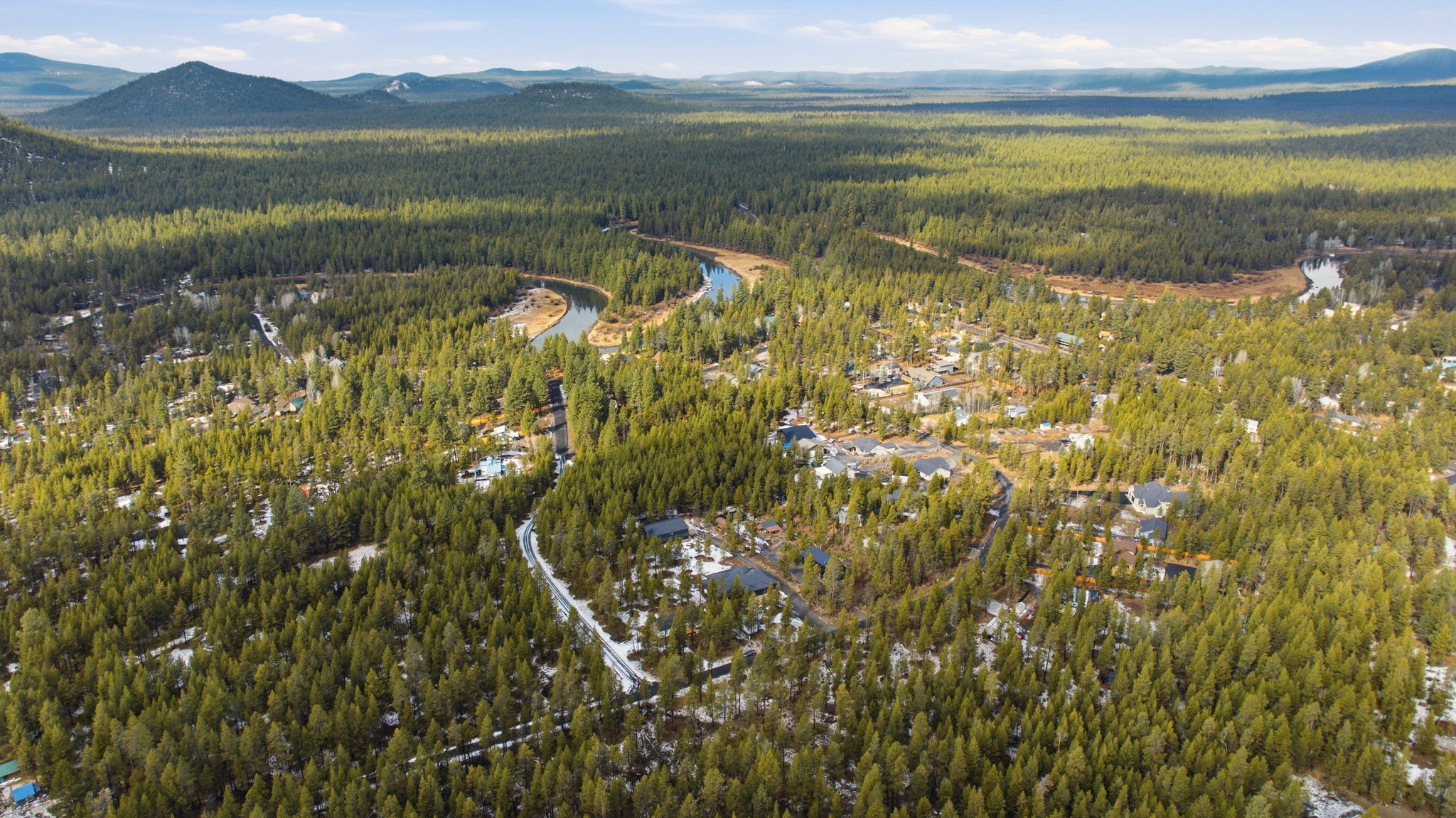
Buying Near Bend Dog Parks: A Pet Owner’s Home Checklist
A Bend home can be close to a dog park and still be a poor fit for your daily routine. The useful question is not simply, “How many minutes away is the park?” It is whether the route, facility rules, busy-hour conditions, and property itself work for your dog.
Before treating dog-park access as a benefit, confirm the official off-leash area, walk the actual route, visit at the times you would use it, and inspect the home for secure outdoor space and practical pet features. That turns a lifestyle label into property-specific due diligence.
Start with the official park, not the map pin
A nearby green space is not automatically an off-leash area. Bend Park & Recreation District maintains the current directory and maps for dogs in parks and designated off-leash areas. Use that page to confirm the boundary, access point, amenities, and any current notices for the facility you expect to use.
General park rules still matter outside designated off-leash areas. BPRD’s current park rules require dogs to be controlled on a leash no longer than 15 feet unless they are in a designated off-leash area. Rules and facility conditions can change, so recheck the official source during your home search rather than relying on an old listing description.
Walk the route yourself
A half-mile route can feel very different depending on the streets between the house and the park. Walk it from the property instead of estimating from a map. Look for:
- continuous sidewalks or a comfortable low-traffic alternative;
- street crossings, visibility, lighting, and snow-storage areas;
- exposed pavement and shade during warm weather;
- steep grades, loose surfaces, or other conditions that may be difficult for an older dog;
- whether the practical entrance is on the side of the park closest to the home.
If the route involves a trail, also review our Bend trail-adjacent home checklist. Trail proximity and dog-park proximity overlap, but each has different access and property tradeoffs.
Visit when you would actually use the park
A quiet weekday showing does not reveal Saturday-morning parking, after-work activity, barking, or traffic at the nearest entrance. Visit more than once, ideally during your likely dog-walking window. Stand at the property as well as at the park.
Pay attention to vehicle circulation, overflow parking, waste stations, lighting, sightlines, and the condition of gates and fencing. If your dog is small, shy, reactive, or has limited mobility, confirm whether the layout and activity level are a realistic match. BPRD currently identifies dedicated small-dog areas at several facilities; the official park directory is the right place to verify which option fits your routine.
Inspect the home for the routine between park visits
Nearby off-leash space does not replace a safe plan at home. Dogs still need practical access during bad weather, early mornings, recovery from an injury, or days when the park is not appropriate. During the inspection and showing process, evaluate:
- Fencing and gates: height, gaps, latches, shared sections, and any repair or approval requirements.
- Outdoor access: the path from the door to the yard, winter traction, drainage, and muddy pinch points.
- Interior durability: flooring, stair layout, entry storage, and a place to dry paws and gear.
- Noise and privacy: how close the lot sits to park access, parking, gathering areas, and common walking routes.
- Heat and shade: sun exposure on the yard, deck, and approach to the home.
Do not assume an existing fence is permitted, owned by the seller, or fully inside the property lines. Review the survey information that is available, ask about permits when relevant, and make any important fence work part of your ownership budget.
Read HOA and community rules before you rely on a plan
Condominium, townhome, and planned-community documents can regulate the number or type of pets, common-area use, fencing, gates, exterior modifications, and nuisance complaints. A listing’s “pet friendly” description is not a substitute for the governing documents.
Ask for the current declaration, bylaws, rules, and architectural standards. If you expect to add a fence, dog run, exterior door, or wash station, confirm the approval process and physical feasibility before your contingency deadlines. Rules can be amended, so use the documents delivered for the actual transaction.
Know the licensing requirement
Deschutes County requires dogs to be licensed, and the county requires proof of a current rabies vaccination before issuing a license. The Deschutes County Sheriff’s Office dog-licensing page explains the current process, fees, and tag requirement. Buyers moving from another jurisdiction should verify what needs to be updated after the move.
Do not assume a resale premium
Dog-park access can be a meaningful lifestyle feature for one buyer and an unwanted source of activity for another. There is no automatic price premium just because a property is near an off-leash area. Lot position, noise, parking, the quality of the walking route, home condition, and comparable sales all matter.
When resale value is part of the decision, compare the home with recent relevant sales and inspect how buyers actually experience the location. A house across from a busy entrance may perform differently from one a few blocks away on a quieter route.
A practical showing checklist
- Confirm the nearest designated off-leash area on BPRD’s current map.
- Walk the route from the front door to the usable entrance.
- Visit at both a quiet time and a likely peak-use time.
- Check parking, traffic, barking, waste, gates, shade, and surface conditions.
- Inspect fencing, drainage, entry storage, flooring, and safe outdoor access.
- Review HOA or community restrictions before planning modifications.
- Budget for any fence, gate, landscaping, or interior changes.
- Use comparable sales instead of assuming a park-related premium.
Bottom line
Buying near a Bend dog park can make daily life easier, but proximity alone is not enough. The best fit combines a workable route, an appropriate off-leash facility, manageable busy-hour conditions, and a home that functions well when the park is not part of the day.
If you are comparing Bend neighborhoods, we can help you test those details at the property level and separate genuine convenience from a map-based marketing claim.
- bendrelo.com — Property search and relocation planning
- movingtobend.com — Lifestyle insights and relocation tips
- bendrelocationservices.com — Professional relocation support
Talk with David & the Bend Relo team
Buying, selling, relocating, or evaluating a specific property? Tell us what you are working through. We are happy to help.





