

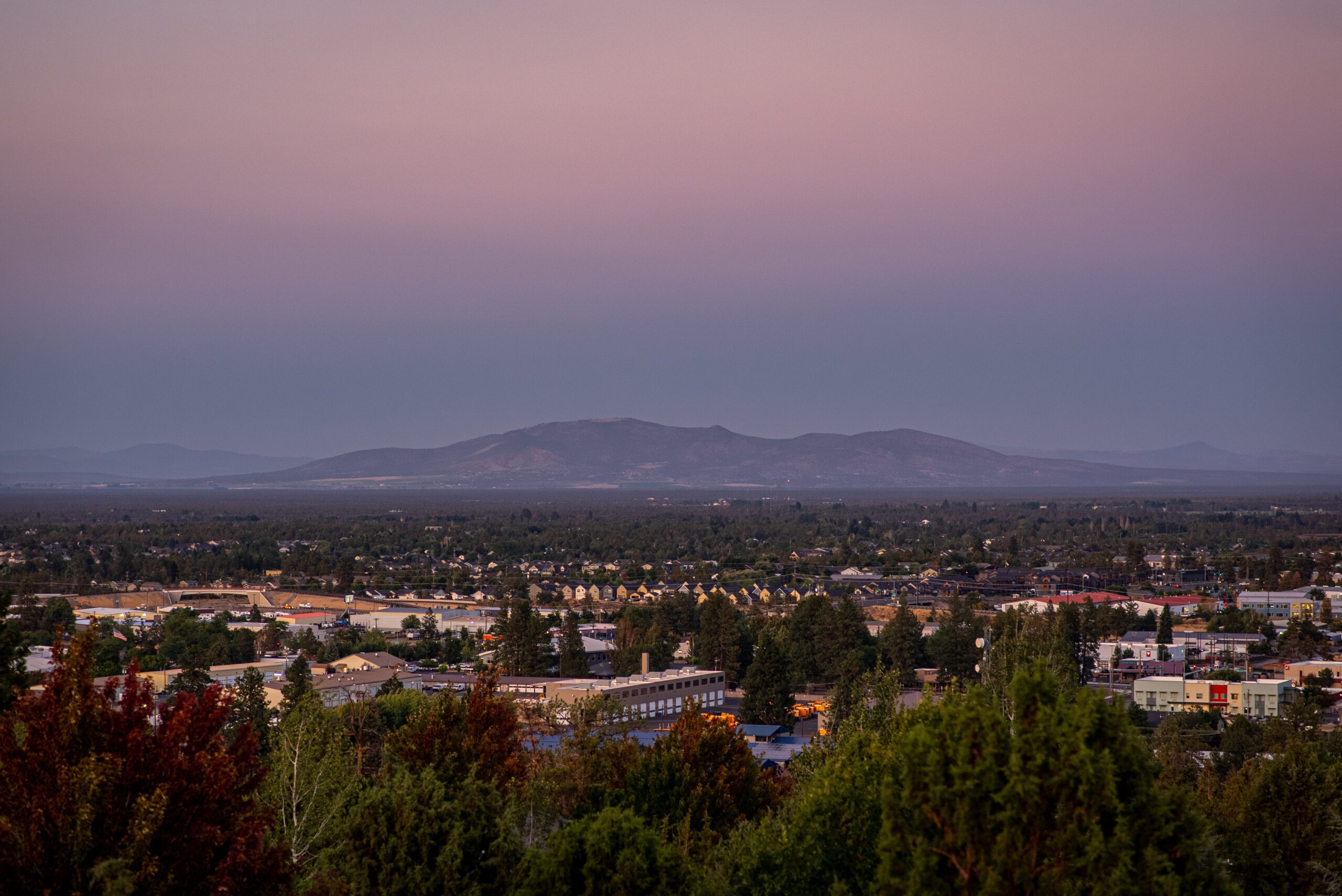
Central Oregon homeowners use “Junuary” as shorthand for the stretch when the calendar says late spring or early summer but the weather still behaves like winter. It is a useful reminder, not a forecast: in Bend, Redmond, Sisters, Sunriver and La Pine, elevation, exposure and individual microclimates can make one fixed maintenance date unreliable.
The practical rule is simple: use the forecast and the property’s actual systems—not the calendar alone—to decide when to turn water on, remove freeze protection or shift into summer mode. This checklist focuses on the seasonal handoffs that create the most trouble for Central Oregon homes.
Late winter to spring: reopen the house carefully
A warm week can make it tempting to start every outdoor system at once. Before doing that, walk the property and confirm what was shut down for winter. Homes with irrigation, exterior hose bibs, crawlspaces, wells or second-home plumbing may each need a different sequence.
Bring irrigation back online zone by zone
There is no universal “safe” startup date for every Central Oregon property. The OSU Extension guide to Central Oregon’s climate emphasizes the region’s wide day-to-night temperature swings and the possibility of frost even during the growing season, especially at higher elevations.
When the forecast and your irrigation professional indicate it is time to restart:
- Locate the irrigation shutoff, valves and backflow assembly before opening anything.
- Pressurize the system gradually and watch for leaks.
- Run each zone in daylight so broken heads, clogged emitters and overspray are easy to spot.
- Check that heads are aimed at landscaping rather than pavement or the house.
- Reset the controller for current conditions instead of jumping straight to a midsummer schedule.
The City of Bend’s irrigation maintenance guidance recommends periodic system checks for leaks and damaged components. City-water customers should also confirm the current outdoor watering rules before programming a controller.
Keep cold-weather habits ready for a late freeze
If an overnight freeze is forecast after outdoor plumbing has been reopened, disconnect hoses and protect vulnerable exterior fixtures. The American Red Cross frozen-pipe guide identifies outdoor hose bibs, sprinkler lines, unheated crawlspaces, garages and pipes near exterior walls as common risk areas.
Avoid blanket rules about foundation vents or crawlspaces. The right setup depends on how the home was designed, where plumbing runs, moisture conditions and whether the crawlspace is vented or conditioned. If the configuration is unclear, have a qualified contractor inspect it instead of automatically plugging or opening vents by season.
Late spring to early summer: prepare for water use, heat and wildfire
This is the best time to find small problems before hot, dry weather makes them harder or more expensive to address.
- Clean the roof and gutters. Remove accumulated leaves and pine needles, check that downspouts discharge properly and look for loose or damaged roofing from winter.
- Inspect the first five feet around the house. Move combustible debris and stored materials away from walls and from beneath decks.
- Check exterior vents and openings. Repair damaged screens and ask a qualified contractor whether vent screening or other home-hardening work is appropriate.
- Prepare cooling equipment. Follow the manufacturer’s filter schedule, clear safe working space around outdoor equipment and arrange service if the system is not cooling normally.
- Test irrigation monthly. A controller can be running on schedule while a buried leak, broken head or clogged drip emitter wastes water or leaves landscaping dry.
Bend Fire & Rescue’s Own Your Zone guidance puts special emphasis on the immediate area around the home, including clearing needles from roofs and gutters and removing flammable material next to walls and under decks. This is useful annual maintenance for existing homes; property-specific construction upgrades should be evaluated separately.
Summer: watch systems under real operating load
Summer is when irrigation, cooling and outdoor living systems reveal whether spring preparation worked. Review water use, look for runoff and compare dry or overly wet areas from one zone to the next. The City’s irrigation checklist is a better model than assuming the same runtime should stay in place all season.
Also use the dry season to:
- keep roofs, gutters, decks and the base of exterior walls free of needles and leaves;
- confirm that exterior faucets and irrigation valves are not leaking;
- inspect weather stripping and sun-exposed caulk or sealant for deterioration;
- keep the area around heating and cooling equipment clear according to manufacturer instructions; and
- review insurance requirements and wildfire-related maintenance expectations before a problem or renewal deadline.
Our Bend home-insurance guide explains why buyers and owners should evaluate wildfire, roof, water and property-specific coverage questions rather than relying on a generic premium estimate.
Fall: reverse the process before sustained freezing weather
Fall maintenance is not just “turn off the sprinklers.” It is a controlled handoff from summer systems to winter protection.
- Schedule irrigation winterization based on the system, property and expected weather.
- Disconnect hoses, identify the domestic-water shutoff and protect vulnerable outdoor plumbing.
- Clean roof drainage again after needles and leaves fall.
- Have heating equipment and any regularly used fireplace or chimney serviced by qualified professionals when due.
- Check smoke and carbon-monoxide alarms according to the manufacturer’s instructions.
- Inspect exposed piping, crawlspaces, garages and other cold areas before the first serious freeze.
For a deeper cold-weather plan, use our Bend home winterization checklist. It covers plumbing, irrigation, heating, roof drainage, outages and vacant homes in more detail.
During a cold snap: protect plumbing without creating a new hazard
Keep the home heated, close garage doors where water lines are present and open sink-cabinet doors when necessary to let warmer room air reach plumbing on exterior walls. During severe cold, the Red Cross advises allowing cold water to drip from a faucet served by exposed pipes. If a pipe freezes, use gentle heat such as a heating pad, hair dryer or warm towels—never an open flame—and keep the faucet open while the pipe thaws.
If water flow does not return, a pipe has split, or the location of the freeze is uncertain, shut off the water and call a licensed plumber. Knowing the main shutoff location before an emergency is one of the most valuable items on this entire checklist.
Second homes and vacant properties need a written plan
A vacant Central Oregon home can experience a freeze, leak, outage or heating failure without anyone noticing. Decide who will check the property, how quickly they can enter, where the water shutoff is and what temperature or leak alerts are monitored. Insurance policies may also contain occupancy or vacancy conditions, so confirm those details directly with the carrier.
A property-specific seasonal checklist
The most useful maintenance schedule is built around the actual home. Record:
- the domestic-water and irrigation shutoff locations;
- the irrigation startup and winterization process;
- filter sizes and service intervals for heating, cooling and ventilation equipment;
- roof, gutter and drainage trouble spots;
- crawlspace, attic, garage and exterior-wall plumbing vulnerabilities;
- well, septic, private-road or rural-property maintenance needs;
- wildfire and insurance requirements specific to the property; and
- the professionals who service each system.
Bottom line
“Junuary” is a good mental model for Central Oregon homeownership: seasons do not always change neatly. Watch the forecast, understand the property’s systems and make each seasonal transition deliberately. A careful startup, a midsummer check and an early winterization plan are more useful than any one-size-fits-all date.
If you are buying a Bend-area home, Bend Relo can help you identify property-specific maintenance questions during due diligence—from irrigation and crawlspaces to roofs, wildfire exposure and rural systems—so the long-term ownership plan is part of the purchase decision.
This article is general educational information, not plumbing, HVAC, irrigation, construction, insurance or fire-safety advice. Follow manufacturer instructions and use appropriately licensed or qualified professionals for the property and system involved.
Talk with David & the Bend Relo team
Buying, selling, relocating, or evaluating a specific property? Tell us what you are working through. We are happy to help.





