

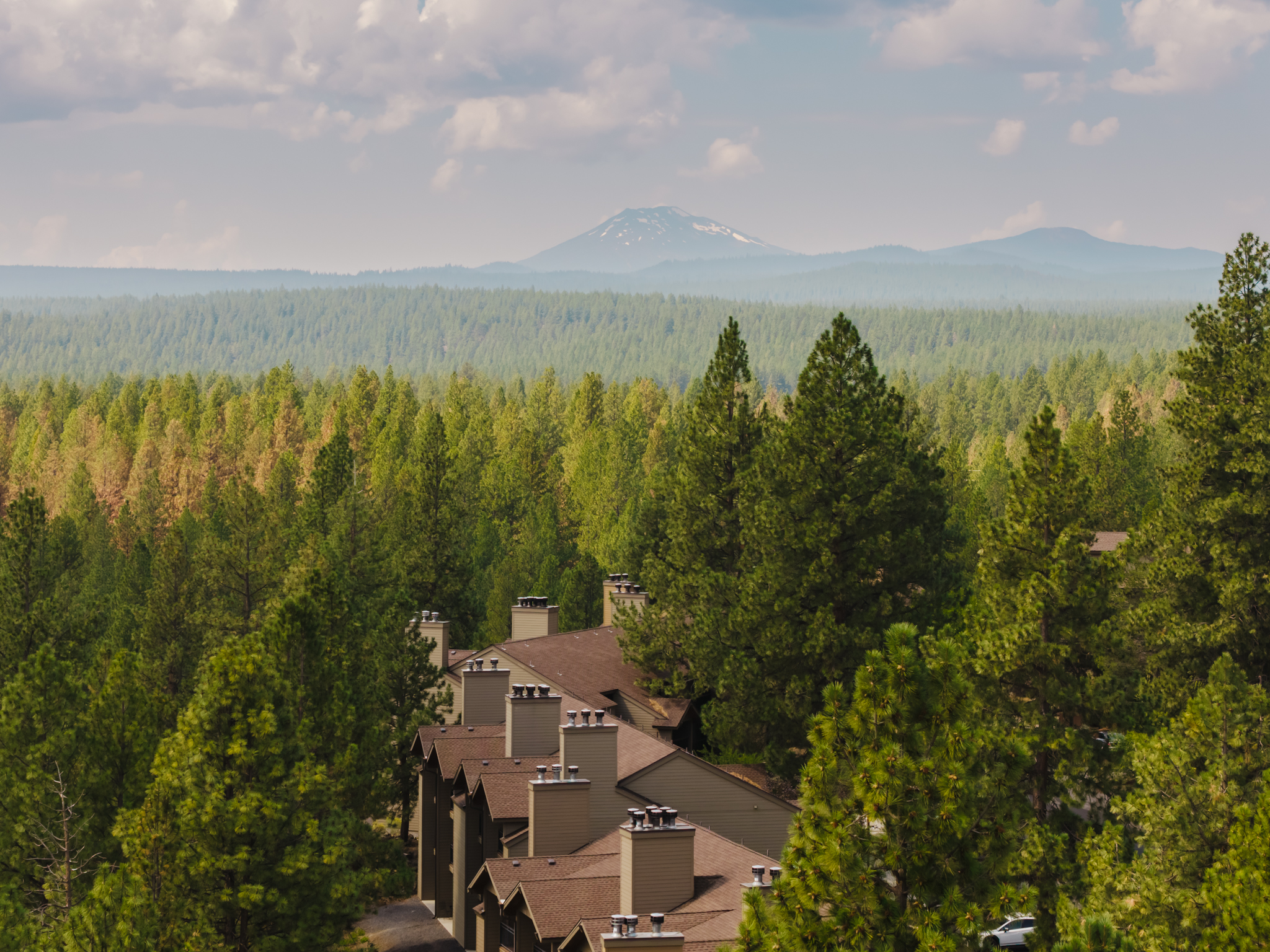
Homes west of Bend and elsewhere outside the city limits can offer more space, easier access to trails and a quieter setting. They can also shift responsibilities that are easy to overlook in town: road maintenance, well and septic systems, wildfire preparation, insurance and land-use rules.
“Outside the city limits” is only a starting point. A condo near the Century Drive corridor, a home in an unincorporated subdivision and an acreage property can have very different services and restrictions. The right due diligence is property-specific.
Start with the address, jurisdiction and records
Before assuming what a property allows or who serves it, confirm the parcel. Deschutes County’s DIAL property research system brings together zoning, tax, transportation, development and service-provider information. The county also maintains property and permit research tools for reviewing permits, septic records and related history.
Use those records to verify the basics:
- Is the parcel inside the City of Bend, in unincorporated Deschutes County or in another jurisdiction?
- Which fire district, school district and utility providers serve it?
- What is the base zone, and are there combining zones or overlays?
- Do the permitted structures and improvements match what is on the property?
- Are there recorded easements, road agreements, covenants or HOA rules?
A listing description is useful context, but it is not a substitute for county records, title documents or written answers from the agency that regulates the proposed use.
Confirm legal access and road maintenance
A driveway may be obvious on the ground without answering the legal questions. Review the title report and recorded documents for access rights, shared-driveway obligations and maintenance agreements. If the route crosses another parcel, identify the easement and make sure its location and permitted use fit the property.
Road status matters too. Deschutes County explains that some public-use local access roads are not maintained by a government agency. The county also notes that it cannot provide snow removal on local access roads that have not been adopted into its maintained system. Ask who grades, plows and repairs the road, how costs are divided and whether the agreement is written.
Drive the route rather than judging it on a map. Consider winter shade, steep sections, drainage, turnaround space and whether emergency and service vehicles can reach the home. Our guide to easements and access roads around rural Bend covers additional questions to raise before an offer becomes firm.
Evaluate the well and water supply
For a private well, locate the well report and confirm that it appears to match the well on the property. Oregon Water Resources Department records can provide construction details such as depth, casing and the performance observed when the well was completed. The department cautions that these are archived records, not a current test of the well.
A property-specific inspection can help evaluate current operation, flow and equipment. Water-quality testing should be tailored to the site and the advice of the appropriate professional or agency. Also ask about pumps, pressure tanks, filtration, storage and power-outage planning.
Do not treat domestic well use and irrigation rights as interchangeable. If a seller represents that the property has water rights, review the actual permit, certificate or other record through the state’s Water Rights Information System. Where an irrigation district is involved, confirm the acreage, delivery method, schedule, fees and transfer process directly with the district.
Review the septic system and records
Many properties beyond Bend’s sewer service rely on onsite septic systems. Deschutes County’s Onsite Wastewater Division maintains permitting and inspection resources.
Due diligence may include the permit and as-built drawing, system type, approved capacity, service history, recent pumping information, the drainfield and the replacement area. A qualified septic professional can recommend the appropriate inspection for the system. If you hope to add bedrooms, an accessory dwelling or another use that could increase wastewater demand, verify feasibility with the county before relying on that plan.
Verify zoning before planning a second use
More land does not automatically mean more permitted uses. Deschutes County explains that a parcel’s base zone establishes allowable uses, minimum parcel sizes and development standards. Combining zones can add another layer of requirements.
Ask the county’s Planning Division about the exact parcel before assuming you can add a guest house, accessory dwelling, shop, RV site, home business, animal use or short-term rental. Then review any recorded covenants and HOA rules, which may be more restrictive than government regulations. For a condominium or resort-style community near the Century Drive corridor, examine the governing documents, dues, assessments, rental restrictions and responsibility for common utilities as separate items.
Price wildfire preparation and insurance early
Wooded settings require a close look at vegetation, access and ongoing maintenance. The Oregon State Fire Marshal describes defensible space in three zones around a home and offers free defensible-space assessments. That assessment can help identify practical work, but it does not replace property-specific insurance underwriting or local requirements.
Contact an insurance professional early—ideally before the inspection period is nearly over. Oregon’s Division of Financial Regulation notes that underwriting may consider location, fire protection and accessibility, construction and surrounding vegetation. Availability and price depend on the home and insurer, so a quote for one nearby property does not establish what another home will cost to insure.
Also verify the responding fire district, address visibility, driveway width and emergency access. If the home has a propane tank, wood stove or generator, include those features in the insurance and inspection conversations.
Test the everyday logistics
Mountain access and privacy are lifestyle benefits only if the practical details work for you. Before committing, check:
- internet options at the exact address, not just the neighborhood;
- cell coverage inside and outside the home;
- electric service, backup-power needs and outage history;
- propane delivery, fuel storage and heating-system condition;
- trash, recycling, mail and package delivery arrangements;
- commute time during winter weather and peak recreation traffic;
- snow storage, plowing responsibilities and roof or drainage concerns.
For cold-weather maintenance planning, see our Central Oregon winterization guide. Buyers comparing larger parcels may also want to review the ongoing costs of maintaining acreage.
Near Mt. Bachelor is not one property type
“Near Mt. Bachelor” can describe very different ownership experiences. A condo or planned community closer to town may have shared infrastructure, HOA governance and rental rules. A forested home farther out may rely on private systems and a privately maintained road. Neither arrangement is automatically better; the important question is whether the legal, financial and maintenance structure fits how you intend to use the property.
Visit at the times that matter to you. A quiet weekday morning will not show the same traffic or snow conditions as a storm-day commute. If recreation access is a priority, measure the actual route rather than relying on phrases such as “minutes to the mountain.”
A practical rural-property checklist
- Confirm jurisdiction, zoning, overlays and permitted improvements.
- Review title, easements, road status and maintenance agreements.
- Inspect the well and assess current water supply and quality.
- Verify any water-right or irrigation-district representation in the controlling records.
- Review septic permits, capacity, condition and replacement area.
- Confirm fire-district service and emergency access.
- Obtain property-specific insurance information early.
- Evaluate defensible space and recurring vegetation work.
- Test internet, cell service, utilities and winter access.
- Verify any planned use with the county and applicable HOA before relying on it.
Buying outside Bend city limits can be a great fit when the property’s systems and responsibilities match your goals. If you are comparing a Century Drive community, a wooded home or rural acreage, contact Bend Relo. We can help organize the questions, records and local specialists needed for a careful decision.
Talk with David & the Bend Relo team
Buying, selling, relocating, or evaluating a specific property? Tell us what you are working through. We are happy to help.





