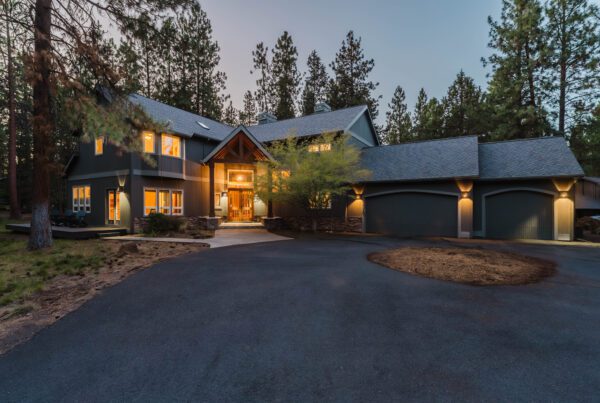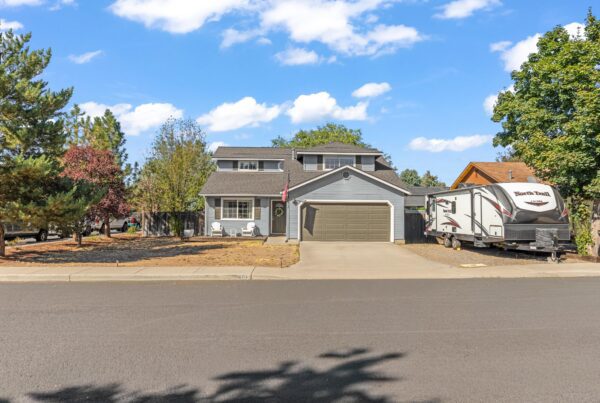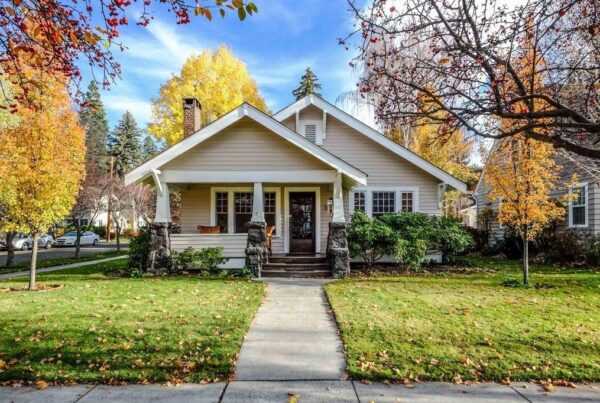
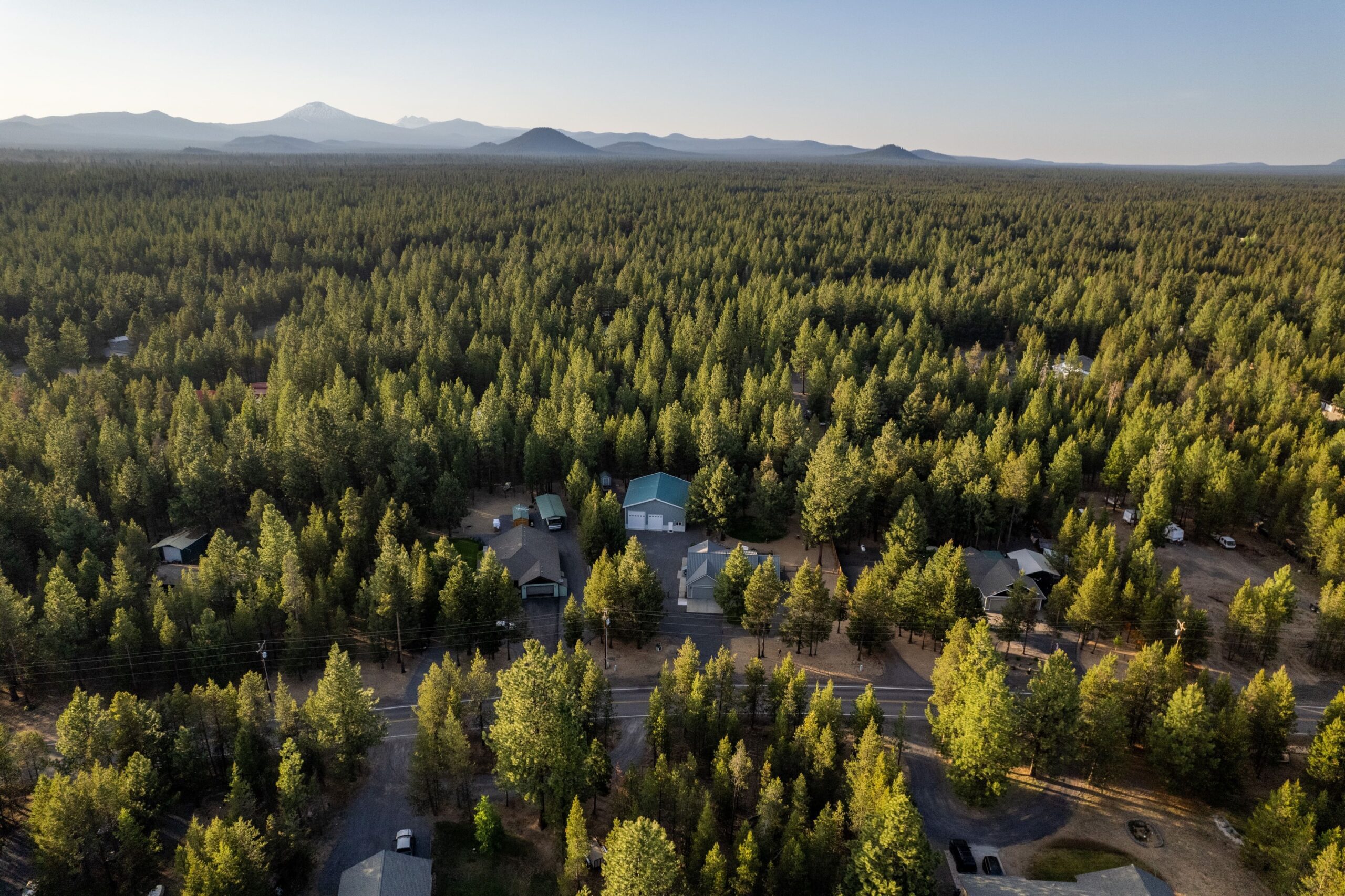
A pet-friendly home is not defined by a built-in dog wash. For most Bend buyers, the better test is whether the property supports the animal’s daily routine: secure outdoor space, durable surfaces, workable entry points, nearby exercise options and rules the household can actually live with. Custom pet features can be useful, but they should be evaluated like any other improvement—for condition, cost, permits and fit.
Start with the pet’s normal day
Before comparing houses, write down what the animal needs now and what may change over the next several years. A young, active dog may make yard access and trail proximity important. An older animal may benefit more from limited stairs, a level route to the yard and a place to rest away from household traffic. Cats may need secure window screens, quiet rooms and protected indoor space.
This is where location matters. Bend Park & Recreation District maintains a current map of designated dog off-leash areas. Its guidance also notes that dogs must be leashed in Bend’s public areas except where off-leash use is specifically allowed. A home near a trail is not automatically a home where a dog can run loose, so check the rules for the exact park or trail you expect to use.
Evaluate the yard, not just its size
A large yard can still be awkward for a pet. During a showing, look beyond the landscaping and check:
- Fence continuity: gaps at gates, changes in grade, loose boards and spaces under the fence.
- Access: whether the pet can reach the yard without crossing a garage, steep stairway or high-traffic room.
- Exposure: shade, wind, snow storage and hot afternoon sun.
- Drainage and cleanup: where mud, snowmelt and runoff collect near doors and paths.
- Street context: traffic speed, nearby intersections and how securely deliveries or visitors can enter.
If you plan to add or replace fencing, confirm the lot lines, easements, City requirements and any architectural-review process before treating the project as simple. In an HOA community, read the actual governing documents rather than relying on listing remarks. The Oregon Real Estate Agency has specifically cautioned brokers to verify advertised property uses against applicable CC&Rs.
Dog washes and feeding stations: useful, but property-specific
A dog wash can make sense after muddy walks or winter outings, especially near a garage or mudroom. The practical questions are less glamorous: Is there adequate drainage? Is the surrounding wall and floor assembly designed for water? Is ventilation sufficient? Can the pet enter safely? Will the basin still work as the animal ages?
Adding a new fixture may involve plumbing, electrical or structural work. The City of Bend’s property-owner permitting guide says plumbing and major remodeling work generally require permits and directs owners to confirm the requirements for their specific project. Get the scope and cost from qualified professionals before assigning value to a proposed dog-wash location.
Built-in kennels and feeding drawers can reduce clutter, but dimensions and ventilation matter more than cabinetry photographs. Make sure an enclosure fits the animal, is easy to clean and can be removed or repurposed without an expensive remodel.
Look closely at everyday wear
Pet-oriented buyers often focus on adding features and overlook the existing condition of the home. Check flooring transitions, door frames, screens, baseboards and exterior doors for wear. Ask what is under rugs and furniture. Pay attention to persistent odors, stained subfloors and damaged weatherstripping; cosmetic cleaning does not always resolve the source.
For a home with substantial pet history, the inspection and repair plan should be property-specific. Flooring replacement, duct cleaning, subfloor repair and landscaping restoration can have very different costs. This is the same reason we recommend a disciplined inspection plan when evaluating new construction in Bend: attractive finishes should not replace verification of the systems behind them.
Review HOA and community rules before committing
Master-planned and condominium communities may have rules affecting fences, exterior pet enclosures, common areas, waste disposal and the number or type of animals. Request the current declaration, bylaws, rules, architectural standards, budget and meeting materials early enough to review them during due diligence. Our broader guide to buying in a Bend master-planned community explains why the full ownership structure matters beyond the monthly dues.
Assistance animals are not the same as ordinary pets under federal housing law. HUD explains that a person with a disability may request a reasonable accommodation for an assistance animal. Buyers, sellers, landlords and associations should avoid treating ordinary pet rules as the complete answer when disability-related accommodation rights may apply.
Do pet features add resale value?
Sometimes they improve usability for the next owner; sometimes they are too specialized. There is no responsible way to promise that a dog wash, kennel or feeding station will return its cost. Value depends on workmanship, placement, the broader property and the buyer pool at the time of sale.
The safest approach is to prioritize improvements that work well today and can adapt later. A well-designed mudroom, durable flooring, secure yard access and organized storage can help a pet household without making the home difficult for a future buyer to use differently.
A Bend buyer’s pet-friendly checklist
- Map the home to the parks, trails and services you will actually use.
- Verify where leashes are required and whether the nearby recreation area allows dogs.
- Inspect fences, gates, grade changes, yard drainage and traffic exposure.
- Read HOA and architectural rules for pets, fences and exterior changes.
- Price any dog wash or plumbing modification with permit requirements included.
- Budget for flooring, odor or landscape repairs based on the specific property.
- Separate personal convenience from assumptions about future resale value.
Bottom line
The best pet-friendly home in Bend is the one that fits both the household and the animal without relying on a marketing label. If you are comparing properties, Bend Relo can help build a due-diligence list around the home, the community rules and the way you actually live with your pets.
Talk with David & the Bend Relo team
Buying, selling, relocating, or evaluating a specific property? Tell us what you are working through. We are happy to help.