
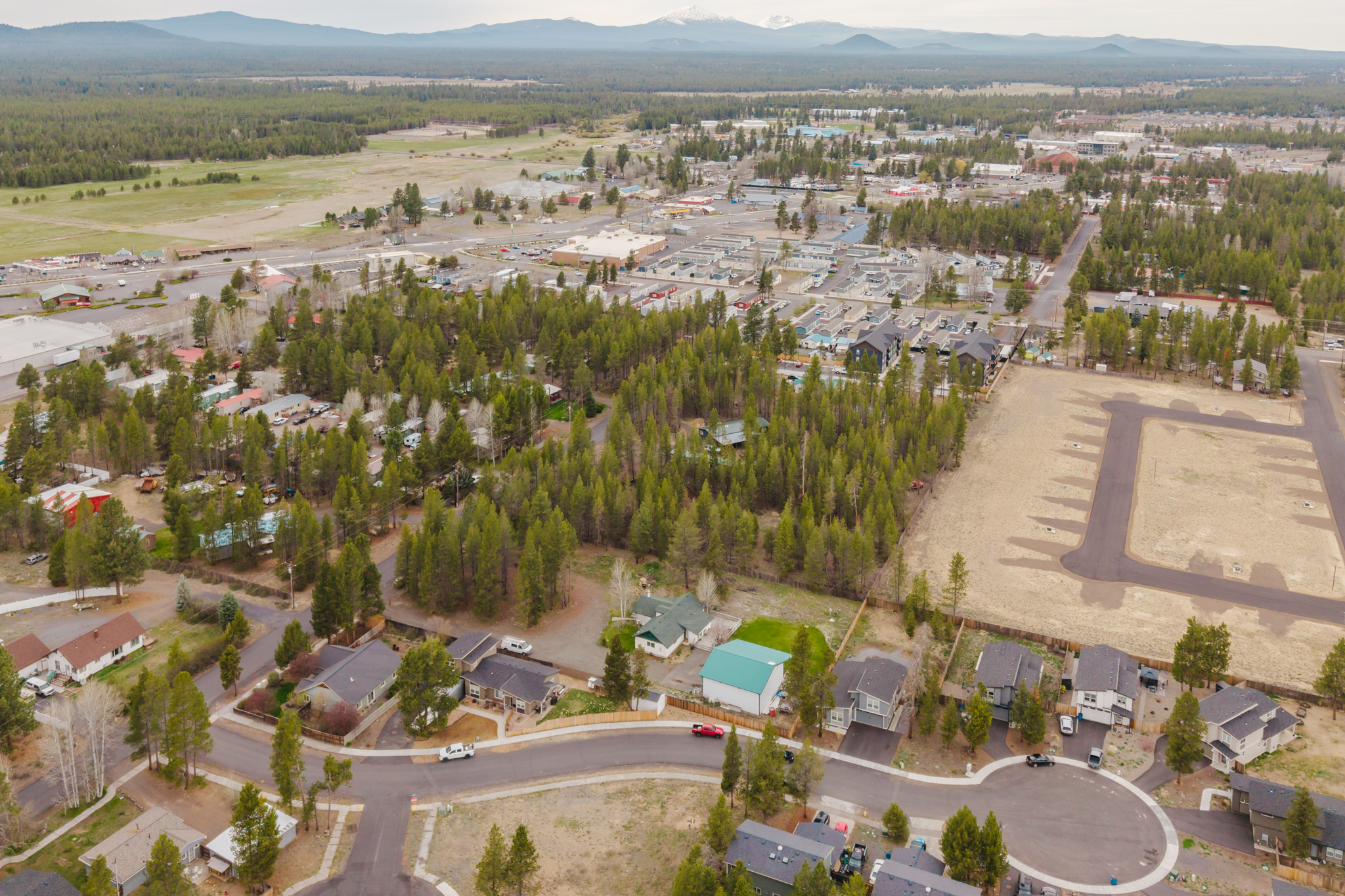
Understanding Homeowners Insurance Costs in Central Oregon

When buying a home, many buyers focus primarily on the purchase price and mortgage payment. However, homeowners insurance is another important ownership expense that should be included in any long-term housing budget.
In Central Oregon, insurance costs can vary significantly depending on a home’s location, age, construction type, coverage selections, and other risk factors. Understanding what influences homeowners insurance Central Oregon costs can help buyers better estimate their total monthly housing expenses and avoid surprises after closing.
At Bend Relo, we help buyers understand the full cost of homeownership so they can make informed decisions before purchasing.
Key Takeaways
- Homeowners insurance Central Oregon costs vary based on property characteristics and coverage choices
- Location and wildfire exposure can influence premiums
- Home age, condition, and construction materials often affect insurance rates
- Coverage limits and deductibles impact policy pricing
- Buyers should obtain insurance quotes early in the home-buying process
What Does Homeowners Insurance Cover?
A standard homeowners insurance policy typically helps protect against certain risks involving:
- The home’s structure
- Personal belongings
- Liability claims
- Additional living expenses following covered losses
Coverage details vary by policy and insurance provider, making it important to review individual policy terms carefully.
Location Plays a Major Role
One of the biggest factors affecting insurance costs is where the property is located.
Insurance companies often evaluate:
- Local weather risks
- Fire protection resources
- Claim history in the area
- Emergency response accessibility
These factors can influence premium calculations and coverage availability.
Wildfire Risk Can Affect Premiums
In parts of Central Oregon, wildfire risk has become an increasingly important consideration for insurers.
Factors that may influence insurance costs include:
- Proximity to forested areas
- Vegetation density
- Defensible space around the home
- Community wildfire mitigation efforts
Homes located in higher-risk areas may face higher premiums or additional underwriting requirements.
Home Age and Condition Matter
Older homes may cost more to insure because they can contain aging systems or materials.
Insurance providers often evaluate:
- Roofing age
- Electrical systems
- Plumbing systems
- HVAC equipment
- Overall property condition
Updated systems and recent renovations may positively affect insurability.
Construction Materials Influence Risk
The materials used to build a home can impact insurance pricing.
Insurers may consider:
- Roofing materials
- Siding type
- Fire-resistant construction features
- Structural components
Certain materials may perform better under specific risk conditions, which can influence premiums.
Coverage Limits Affect Cost
The amount of coverage selected directly impacts insurance expenses.
Policyholders typically choose limits for:
- Dwelling coverage
- Personal property
- Liability protection
- Additional endorsements
Higher coverage amounts generally result in higher premiums.
Deductibles Impact Premiums
The deductible is the amount a homeowner pays before insurance coverage applies.
In general:
- Higher deductibles may reduce premiums
- Lower deductibles often increase premiums
Choosing the right deductible involves balancing monthly costs with potential out-of-pocket expenses.
Home Safety Features May Help
Some safety improvements can positively influence insurance costs.
Examples include:
- Smoke detectors
- Security systems
- Fire-resistant roofing
- Modern electrical systems
- Monitored alarm systems
Discount availability varies by provider.
Replacement Cost Is Important
Insurance is often based on the estimated cost to rebuild the home rather than its market value.
Factors affecting replacement cost may include:
- Construction materials
- Labor costs
- Home size
- Custom features
This is one reason insurance costs do not always correlate directly with a home’s purchase price.
Compare Multiple Insurance Quotes
Because pricing and underwriting standards vary between carriers, buyers are often encouraged to obtain multiple quotes.
Comparing options can help evaluate:
- Coverage differences
- Premium costs
- Deductible structures
- Policy exclusions
Shopping around may help identify the best overall value.
Obtain Insurance Information Early
Insurance should not be treated as a last-minute item during the purchase process.
Obtaining quotes early allows buyers to:
- Budget accurately
- Identify potential coverage concerns
- Evaluate total ownership costs
This is especially important for properties with unique characteristics or rural locations.
Why Insurance Is Part of the Total Cost of Homeownership
A home’s monthly ownership expenses often include more than:
- Principal and interest
- Property taxes
Insurance premiums should also be considered when evaluating affordability and long-term budgeting.
Understanding these costs early can help buyers make more confident financial decisions.
Work With a Local Expert
David Keyte helps buyers understand full home ownership costs before purchasing, including homeowners insurance Central Oregon expenses, maintenance planning, utility costs, and long-term budgeting considerations.
In Central Oregon, insurance costs can vary considerably depending on the property and location. Understanding these factors before making an offer can help buyers avoid surprises and make informed purchasing decisions.
If you’re planning to buy or relocate to Bend, having the right local guidance can help you evaluate both the visible and hidden costs of homeownership.
- bendrelo.com — Property search and relocation planning
- movingtobend.com — Lifestyle insights and relocation tips
- bendrelocationservices.com — Professional relocation support