

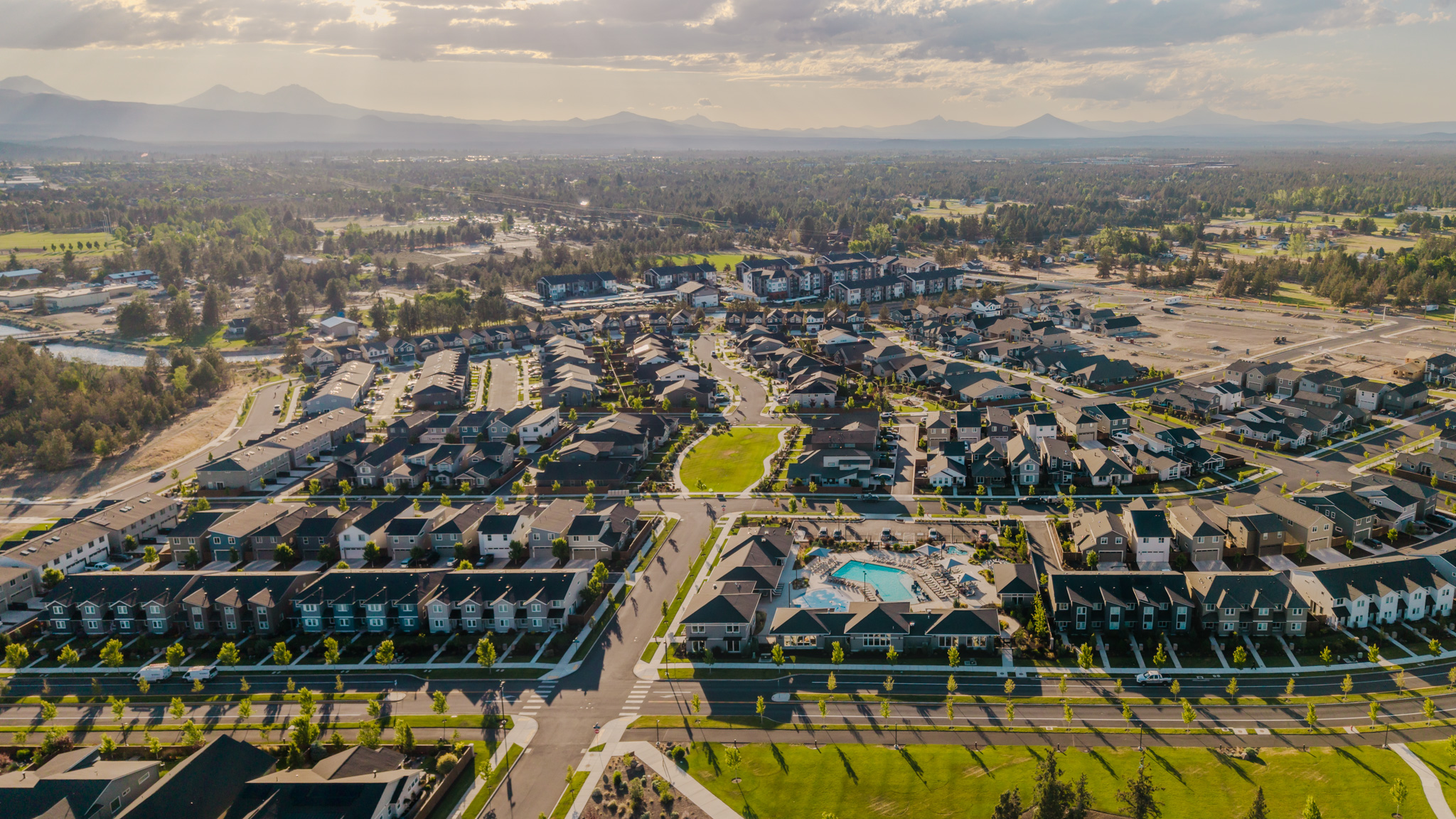
The best Bend neighborhood is the one that fits your actual week. Instead of relying on labels such as “family-friendly,” “safe,” or “best schools,” compare addresses using objective factors: daily routes, assigned schools, parks and trails, housing type, street design, utilities, budget and the amount of maintenance you want.
That approach is more useful than a ranking because Bend changes block by block. Two homes in the same named area can offer very different access, traffic, sidewalks, lot conditions and renovation needs. Start with your routines, then test the property and its surroundings in person.
A practical rule: choose a neighborhood by measuring how it supports the life you already lead—or the one you realistically intend to lead—not by chasing a universal “best” list.
Why Bend neighborhood rankings fall short
Neighborhood rankings flatten important differences. A location near downtown may shorten restaurant and river trips but add street activity or reduce yard space. A newer subdivision may offer a more predictable floor plan but place work, school or favorite trails farther away. A rural-edge property may provide elbow room while adding well, septic, private-road, wildfire or internet questions.
Real estate professionals also have fair-housing responsibilities. The federal Fair Housing Act protects people in housing transactions, including on the basis of familial status. That is one reason a responsible neighborhood comparison should use verifiable information rather than characterize an area by the kinds of people who live there. Buyers can review official maps, visit locations and decide which tradeoffs fit them.
For the legal framework, see the U.S. Department of Housing and Urban Development’s fair-housing rights and obligations.
Step 1: Map the places that shape your week
Write down the destinations you will use repeatedly: work, school or childcare, medical care, groceries, a gym, parks, trailheads, downtown, the Old Mill District, Redmond Airport and the people you see often. Rank the top five. A home that is close to one recreation destination can still be inconvenient if three essential trips cross town every day.
- Drive the likely route at the time you would normally use it.
- Test an alternate route for winter conditions, construction or an incident.
- Walk or bike the complete trip if that is part of your plan.
- Check whether the last segment has a sidewalk, shoulder, crossing or steep grade.
- Visit the block during the morning, evening and weekend rather than relying on one showing.
The City of Bend’s interactive maps are a useful starting point for neighborhood districts, transportation, utilities and other local layers. The City’s Neighborhood Districts are civic areas, not real estate rankings, but their pages can help you understand projects and local participation.
Step 2: Verify schools by address
A nearby school is not necessarily the assigned school, and attendance boundaries can change. Use Bend-La Pine Schools’ attendance-area maps and address lookup, then confirm enrollment questions with the district.
School quality is also personal. Public rating sites cannot tell you whether a program, schedule, learning model, support service or transportation arrangement fits a particular student. Review district information, speak with school staff and visit when possible. If a specific school is central to the move, verify the assignment before making a housing commitment.
Step 3: Compare parks, trails and everyday recreation
Bend’s outdoor access is not limited to one side of town. The practical question is which amenities are close enough that you will actually use them. Bend Park and Recreation District provides a searchable park locator and trail locator with amenity and activity filters.
Examples illustrate the range. Northwest Crossing and Discovery West connect many homes with neighborhood parks, trails and commercial gathering places. River West and Old Bend can offer direct access to central Bend and the Deschutes River, with older housing and block-by-block parking or renovation considerations. Northeast Bend includes access to Pine Nursery Park, medical services and a mix of established and newer housing. Southeast Bend includes older neighborhoods, newer development and major destinations such as Alpenglow Park. These are orientation points, not endorsements; exact access depends on the address.
Watch: A quick Bend neighborhood orientation
This Bend Relo video gives a short on-the-ground introduction to how different parts of Bend connect with daily life. Use it as an orientation, then verify the details that matter for a specific home.
Step 4: Match the housing type to your priorities
Neighborhood choice and property choice are inseparable. Before comparing locations, decide which home features are truly necessary and which are preferences.
- Older central home: potentially closer to established destinations, with more attention needed for systems, remodeling, parking and layout.
- Newer subdivision: often more consistent construction and community planning, with HOA rules, future building phases and commute patterns to review.
- Townhome or condominium: less exterior maintenance in many cases, balanced against dues, shared elements, reserves and use restrictions.
- Larger lot or rural-edge property: more space, with property-specific questions about water, septic, irrigation, access, snow removal, wildfire exposure and insurance.
- Home near a park or trail: convenient recreation, with parking, event activity, privacy and trail-use patterns to observe.
Also look beyond bedroom count. Entry storage, bike or ski storage, a practical laundry area, a fenced outdoor space, a home office and guest flexibility may shape daily satisfaction more than a neighborhood label.
Step 5: Test transportation and services
Distance on a map does not prove a trip will be easy. Road design, crossings, elevation, winter shade and peak traffic all matter. If transit is important, review current Cascades East Transit Bend routes and schedules for the exact origin, destination and travel time. If biking or walking matters, test the route rather than assuming a nearby destination has a comfortable connection.
Confirm services at the address as well. Internet providers, water service, sewer or septic, trash collection and emergency-response context can vary. For homes near the edge of town, confirm whether a road is public or private and who handles maintenance.
A neighborhood-comparison scorecard
Use a simple 1-to-5 score for each candidate home. Weight the categories that matter most rather than adding every score equally.
- Daily routes: time and ease for work, school, care and errands.
- Housing fit: layout, storage, lot, condition and future flexibility.
- Outdoor access: the parks, trails and recreation you will use.
- Mobility: driving, transit, walking and biking options.
- Ownership burden: price, insurance, utilities, HOA and maintenance.
- Block-level observations: noise, parking, lighting, grade and activity at different times.
Keep written notes after each tour. Relocation trips can blur together, and a scorecard makes tradeoffs visible before emotion or presentation takes over.
Should you rent before choosing a Bend neighborhood?
Renting first can be the smarter choice when your commute, school plan, preferred side of town or long-term budget is still uncertain. A lease gives you time to experience real travel patterns and seasonal conditions. Buying sooner may make sense when your priorities are clear, the full payment is comfortable and the property fits a longer-term plan.
For a broader relocation framework, read Moving to Bend, Oregon: A Practical Relocation Guide and the Bend rent-versus-buy benchmark.
Frequently asked questions
Which Bend neighborhood is best?
There is no universal best neighborhood. The useful comparison is between specific addresses and the routines, housing types, costs and tradeoffs that matter to you.
Can a real estate agent tell me which areas are safest or best for families?
An agent should not steer buyers using protected-class characteristics or subjective neighborhood labels. A better service is to provide objective sources, property information and route-specific context so buyers can make their own informed decision.
How should I compare schools?
First verify the assigned school through the district’s address lookup. Then evaluate programs and services directly with the district and school rather than relying only on a third-party score.
What if I cannot visit Bend before buying?
Use live video tours for both the home and surrounding routes, review official maps, and ask for objective observations about the block at different times. If uncertainty remains high, a temporary rental can reduce the pressure to make a permanent location decision from a distance.
Choose by evidence, then confirm in person
A good Bend neighborhood search turns vague preferences into testable questions. Bend Relo can help you compare homes, routes, property conditions and location tradeoffs while keeping the decision grounded in your priorities.
Browse Bend Relo’s community guides, review our buyer resources, or contact the team to plan a focused neighborhood and home tour.
Talk with David & the Bend Relo team
Buying, selling, relocating, or evaluating a specific property? Tell us what you are working through. We are happy to help.





