

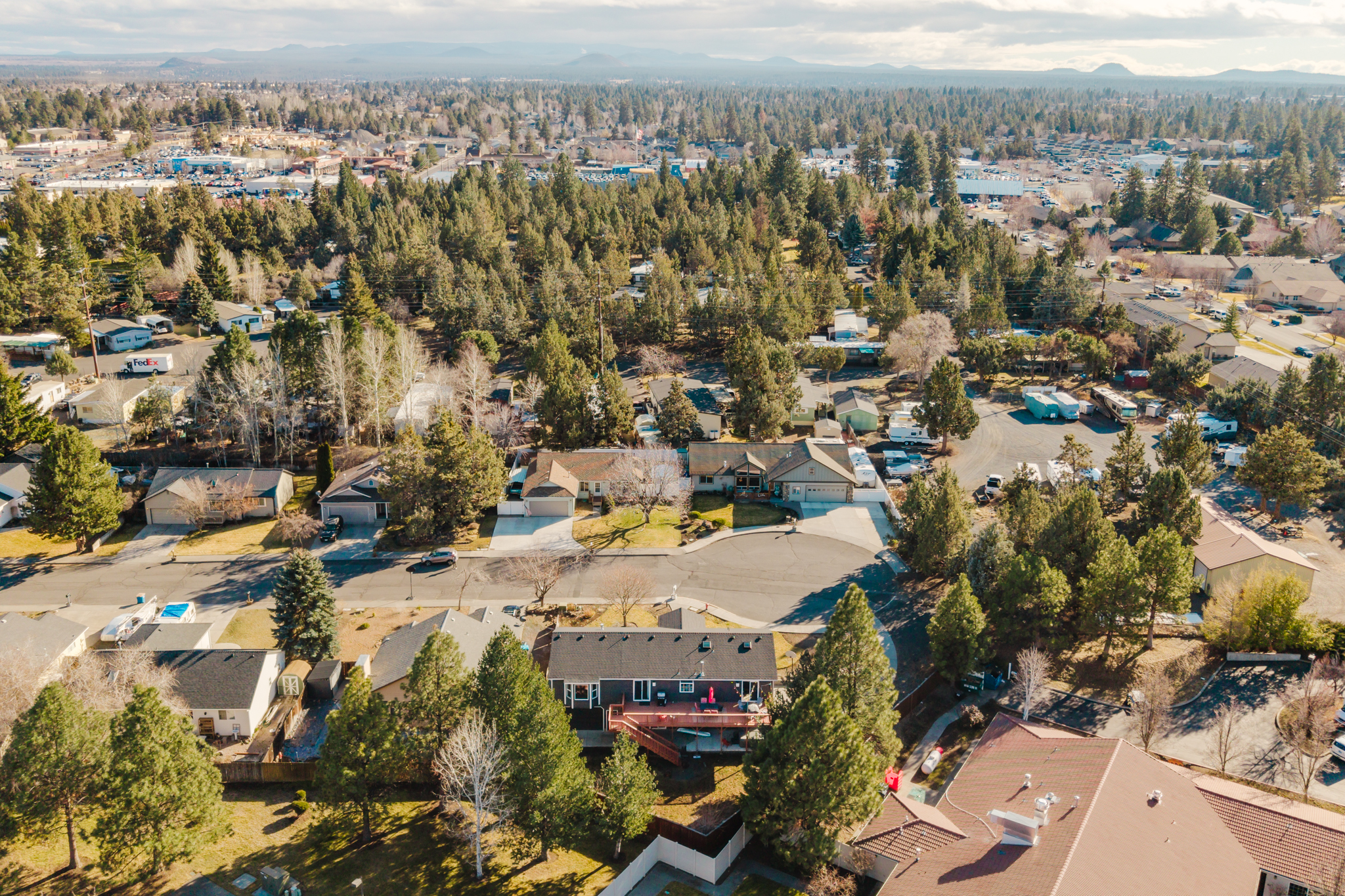

A winter-ready home in Bend is not defined by one feature. Buyers need to understand how the heating system, building envelope, roof, plumbing, access, drainage and backup plans work together at the specific address. A newer furnace or south-facing driveway can help, but neither proves that the property will be comfortable, practical or inexpensive through a Central Oregon winter.
The most useful approach is to turn “winter ready” into evidence: service records, permits, energy information, utility history, inspection findings and an honest walk-through of how snow, ice and freezing temperatures affect the property.
Start with records, not assumptions
Ask for the age, model and service history of the primary heating equipment, water heater, supplemental heat sources and any snow-melt system. Review permits and final inspections for additions, garage conversions, replacement HVAC equipment, fireplaces, wood stoves, exterior electrical work and major roof work. The City of Bend’s Online Permit Center is a starting point for properties in the city; county records and the appropriate jurisdiction should be checked for homes outside it.
For covered homes publicly listed for sale within Bend, the City’s Home Energy Score program gives buyers a standardized energy-efficiency score and estimated energy information. Read the full scorecard, including the assumptions and recommended improvements. It is useful context, not a substitute for inspections or a guarantee of future bills.
Request available utility history, but interpret it carefully. Occupancy, thermostat settings, wood-stove use, electric-vehicle charging and time away from home can make two households’ costs very different. Compare the home’s size, fuel sources and equipment with your intended use rather than treating a seller’s bill as a forecast.
Evaluate the heating system as a complete setup
Identify every source of heat and which rooms it actually serves. Record the system type, fuel, age, capacity, maintenance history and thermostat arrangement. During the inspection period, ask the appropriate professional to operate the equipment, evaluate visible distribution components and explain any deferred work. A heat pump, furnace, boiler, baseboard system or ductless setup can each be appropriate; the property-specific design, condition and installation matter more than a generic ranking.
Do not label a fireplace or stove “backup heat” until you understand how it starts, what fuel it requires, what portion of the home it can reasonably heat and whether it can operate during an electrical outage. If the property relies on propane, oil, pellets or firewood, ask where fuel is stored, how deliveries reach the home in winter and whether a tank is owned, leased or subject to a service agreement.
For a wood stove or fireplace insert, locate the emissions-certification label and review installation and chimney records. Oregon DEQ’s Heat Smart guidance for home sales explains that an uncertified device generally must be removed, destroyed and reported when a home is sold. A safety label is not the same as an Oregon DEQ or U.S. EPA emissions-certification label, so resolve uncertainty before closing.
Look beyond the windows to the building envelope
Comfort problems may come from air leakage, insulation gaps, duct losses, moisture or uneven heat distribution—not simply old windows. Ask the inspector or energy professional to examine accessible attic and crawlspace areas, insulation condition, weatherstripping, penetrations, bath and kitchen exhaust, ductwork and signs of condensation.
Window age and pane count are only part of the picture. Check for failed seals, damaged frames, water staining, difficult operation and installation issues. Our guide to evaluating windows in a Central Oregon home explains how to use ratings and condition together instead of assuming every older window needs immediate replacement.
Pay attention to rooms over garages, additions, converted spaces and areas far from the thermostat. These can behave differently from the main house. If comfort is important in a workshop, bonus room or accessory space, verify that the heating and insulation are permitted and capable of supporting the intended use.
Inspect the roof, attic and snow-load history
Roof geometry alone does not tell you how a home handles snow. Review roof age, repairs, flashing, drainage, attic ventilation, insulation and any history of leaks or ice buildup. Look at where sliding snow or dripping meltwater would land—especially above doors, walkways, decks, heat pumps, meters and parked vehicles.
Deschutes County maintains an official residential snow-load data set used for roof and truss design, with load requirements that vary by location and elevation. Do not apply one number to every Bend-area property. If there are questions about an addition, altered truss, sagging area, rooftop equipment or a structure built under older records, involve the building jurisdiction and a qualified structural professional.
Gutters are not automatically an advantage in every configuration. Their condition, discharge point, heat-trace setup and winter maintenance all matter. Confirm that roof runoff and snowmelt move away from the foundation rather than refreezing on steps, walkways or the driveway.
Trace the plumbing and freeze-risk areas
Find the main shutoff and identify supply lines in crawlspaces, garages, exterior walls, cabinets, outbuildings and other vulnerable areas. Ask about past frozen pipes, leaks and insurance claims. Check exterior faucets, irrigation backflow equipment, exposed valves, well components and any heat tape or space-heater solution. Temporary devices should not be mistaken for a properly designed permanent system.
For a seasonal or frequently vacant home, ask how the property is monitored during cold weather and what happens during a power failure. Smart leak sensors or low-temperature alerts can be useful, but their value depends on power, connectivity, placement and someone being available to respond.
Our separate Bend home winterization checklist covers owner tasks such as irrigation shutdown, hose bibs, heating service and vacant-home preparation. This buyer guide is focused on evaluating the property and its existing systems before purchase.
Walk the driveway, street and snow-storage plan
Visit the property with the actual vehicles you expect to use when practical. Measure garage and driveway clearances and consider slope, shade, turning room, drainage, retaining walls, gate openings and where plowed or shoveled snow can be stored without blocking sight lines, mailboxes, hydrants, walkways or drainage.
Clarify who maintains and plows each segment of the route. A public street, private road, shared driveway and HOA-maintained lane can have different responsibilities and service expectations. Read recorded road-maintenance agreements and HOA documents rather than relying on a verbal description. For rural or acreage properties, our acreage ownership checklist covers private roads, equipment, wells, septic systems and ongoing land work in more detail.
Within Bend, property owners are responsible for clearing adjacent sidewalks after snow events. The City’s snow and ice removal guidance explains the current rules and reminds owners not to move snow into the street. Treat sidewalk length, corner-lot frontage and snow-storage space as ownership work, not just neighborhood scenery.
If the property has a heated driveway, verify the heated area, controls, energy source, permits, service history, drainage and repair access. See our heated-driveway buyer checklist for a more detailed review.
Check exterior equipment and winter service access
Locate heat-pump outdoor units, generators, propane tanks, meters, vents, cleanouts, wells and septic components. Ask how snow shedding, drifting and plowing affect them. A service technician should be able to reach critical equipment without crossing an unsafe roof edge, deep drift or blocked gate.
Look at deck surfaces, stairs, handrails, exterior lighting and the route from parking to the main entrance. Note areas where roof runoff, irrigation, shade or poor drainage could create repeated freeze-thaw problems. The goal is not to eliminate every winter task; it is to understand the tasks and decide whether they fit your time, mobility and budget.
For rural homes, test the winter logistics
Rural winter readiness includes more than the house. Confirm who plows the road, what happens if a vehicle blocks access, whether delivery trucks can turn around and how long it may take to restore power. Ask how the well, pressure tank, well house, septic access and exposed plumbing are protected. Verify generator capacity and connection method with qualified professionals rather than assuming a portable unit can safely power the home.
Consider fuel, water, communications and access as a system. A beautiful acreage property may be a great fit for a prepared buyer and a frustrating fit for someone who expects city-level service. The right conclusion depends on the property and the household, not on whether rural living is generally “better.”
Use the inspection period to resolve winter questions
Build the inspection plan around the home’s actual systems and risk points. Depending on the property, that may include a general home inspection plus HVAC, chimney, roof, electrical, plumbing, well, septic, drainage or structural specialists. Coordinate timing early; some components cannot be fully evaluated when weather, access or seller instructions prevent operation.
Questions worth resolving include:
- What heats each occupied space, and what service or replacement work is approaching?
- What do the Home Energy Score, utility history and inspection findings say when viewed together?
- Are additions, fireplaces, stoves, mechanical systems and snow-melt equipment supported by permits and records?
- Where have leaks, frozen pipes, ice buildup, drafts or roof problems occurred?
- Who plows and maintains the street, private road, shared driveway and walkways?
- Where can snow be stored without creating drainage, access or visibility problems?
- Can critical equipment be reached and serviced during winter?
- What specialist opinions are needed before the due-diligence deadline?
Choose a winter setup that fits your household
No Bend home is maintenance-free, and “winter ready” should not be used as a guarantee. The better question is whether the property’s systems, exposure, access and ownership responsibilities are understood and acceptable to you.
Bend Relo can help buyers compare those tradeoffs, identify address-specific questions and organize a due-diligence plan with the appropriate inspectors and local resources. The goal is a decision based on how the home actually works—not a feature list or a snowy listing photo.
- bendrelo.com — Property search and real estate guidance
- movingtobend.com — Bend lifestyle and relocation information
- bendrelocationservices.com — Relocation support
Talk with David & the Bend Relo team
Buying, selling, relocating, or evaluating a specific property? Tell us what you are working through. We are happy to help.





