

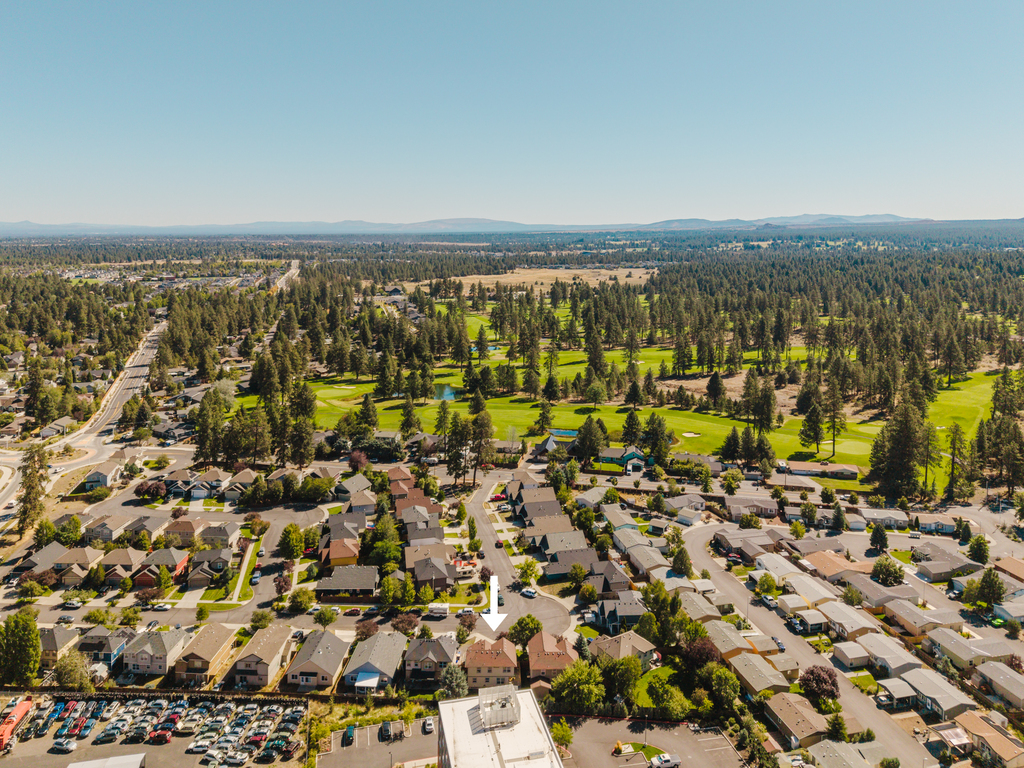
Does Bend have suburbs? Not in the same tidy way many larger metro areas do. Bend has established in-town neighborhoods, newer development near the city’s edges, unincorporated properties outside city limits, and separate nearby communities. Those places can feel very different day to day, but “city” versus “suburb” is usually too blunt a label for choosing a home here.
A better comparison starts with the exact address. Check jurisdiction, utilities, recurring routes, school assignment, property systems, association rules, and seasonal access before deciding whether a location fits your life.
What “suburban” can mean around Bend
People moving from a larger city often use suburb to mean more space, newer construction, quieter streets, or a longer drive to daily needs. Around Bend, those traits do not always arrive as a package. A newer subdivision may still be inside Bend city limits. An older home can sit near the edge of town. A property with a Bend mailing address may be outside the city and use different services.
It helps to separate four location types:
- Established Bend neighborhoods: These are within the city and may offer mature landscaping, varied home ages, and closer access to some destinations. Walkability, street design, and utility details still vary by block.
- Newer city-edge development: These neighborhoods may offer newer homes and planned amenities, but they are not automatically outside Bend or served by the same utilities as another nearby project.
- Unincorporated or rural-edge property: These homes can involve county jurisdiction, wells, septic systems, private roads, acreage maintenance, or different fire-protection and utility arrangements.
- Nearby independent communities: Redmond, Sisters, Sunriver, and other Central Oregon communities are not Bend suburbs in an administrative sense. Each has its own location, services, housing patterns, and tradeoffs.
The City of Bend neighborhood district map is a useful orientation tool, but it is not a substitute for confirming the jurisdiction and services attached to a particular parcel.
Start with the parcel, not the marketing label
Listing copy, postal addresses, and neighborhood names are useful clues—not legal verification. Before comparing two homes, look up each property in Deschutes County DIAL. The county’s property-information system can help you confirm parcel details and identify records that deserve a closer look.
Then verify the questions that affect ownership and daily life:
- Is the property inside Bend city limits or in unincorporated Deschutes County?
- Who provides water, sewer, power, waste collection, fire protection, and road maintenance?
- Is the home connected to public sewer, or does it use a septic system?
- Does it have municipal water, a private well, or service from another water provider?
- Is the road publicly maintained, privately maintained, or governed by an agreement?
- Are there HOA dues, design standards, rental restrictions, or other recorded obligations?
The answers are property-specific. For example, the City of Bend notes that not every customer receives every utility service, so a Bend location alone does not establish the full service picture. Use the city’s water-services information, county records, seller disclosures, and appropriate inspections together.
Test the routes you will actually use
A home can look close to everything on a regional map and still produce an awkward weekly routine. Instead of relying on a single mileage number, map the trips that repeat in your life:
- work, school, or recurring appointments;
- groceries, medical care, and other regular errands;
- the airport or Highway 97 if regional travel matters;
- childcare, activities, or family commitments;
- the trailheads, river access, or recreation you expect to use often.
Drive the most important routes at realistic times. If public transportation is part of the plan, check current Cascade East Transit Bend routes and schedules rather than assuming service from a nearby-looking stop. Routes, frequency, transfer needs, and first- or last-mile access matter more than a generic claim that an area is “well connected.”
Season also changes the test. Consider road grades, winter maintenance, sun exposure, and alternate routes. For mountain-pass or highway travel, use Oregon TripCheck for current conditions rather than treating a summer drive time as a year-round promise.
Verify school assignment by address
Do not infer a school assignment from a neighborhood name or from the school that appears closest on a map. Attendance boundaries can change, and some addresses near one another may have different assignments. Use Bend-La Pine Schools’ current attendance-area resources for the specific address, and confirm directly with the district if enrollment is important to a purchase decision.
This is also a more useful and objective way to compare homes than relying on broad “good school” labels or ratings that may not reflect a household’s needs.
Compare the house and the ownership workload
Location is only one side of the decision. A newer home may have contemporary systems and an HOA; an older home may offer a different lot pattern, renovation history, or maintenance profile. A rural-edge property may provide more land while adding well, septic, fuel, fencing, vegetation, irrigation, or private-road responsibilities.
For each candidate, ask for the documents and inspections that match the property:
- HOA declarations, budgets, rules, and meeting records;
- well flow, water quality, and well-log information where applicable;
- septic records, pumping history, and an appropriate inspection;
- private-road agreements and maintenance history;
- insurance quotes based on the actual address and home;
- internet-service availability confirmed with the provider;
- permits and records for material additions or renovations.
If more land is part of the appeal, our guide to the costs and responsibilities of acreage near Bend goes deeper into that ownership choice.
Use one scorecard for every home
A consistent comparison keeps an attractive kitchen or dramatic view from crowding out practical facts. For each address, record:
- Jurisdiction and services: city or county, utilities, emergency services, and road responsibility.
- Real routes: time and ease for the trips you make most, tested when you would actually travel.
- Property systems: age and condition of the home, plus well, septic, irrigation, or other site-specific systems.
- Ongoing obligations: taxes, HOA dues, insurance, landscape or acreage care, and likely near-term maintenance.
- Seasonal fit: winter access, smoke-season considerations, shade, exposure, and the way outdoor space functions across the year.
- Future flexibility: whether the home and location still work if commuting, household needs, or travel patterns change.
For the broader lifestyle shift—not just the location labels—read what changes when moving from a larger city to Bend. When you are ready to compare specific areas, our Bend neighborhood fit checklist provides the next layer of questions.
The bottom line
Bend does not divide neatly into “city” and “suburb.” The useful distinction is between exact addresses: how each one is governed, served, reached, maintained, and lived in throughout the year. Verify those details before you fall in love with a label—or with a listing.
If you are comparing an in-town home, a newer edge-of-city neighborhood, and an outlying property, contact Bend Relo. We can help you build an address-specific comparison and identify the records, inspections, and local professionals that belong in your due diligence.
Talk with David & the Bend Relo team
Buying, selling, relocating, or evaluating a specific property? Tell us what you are working through. We are happy to help.





