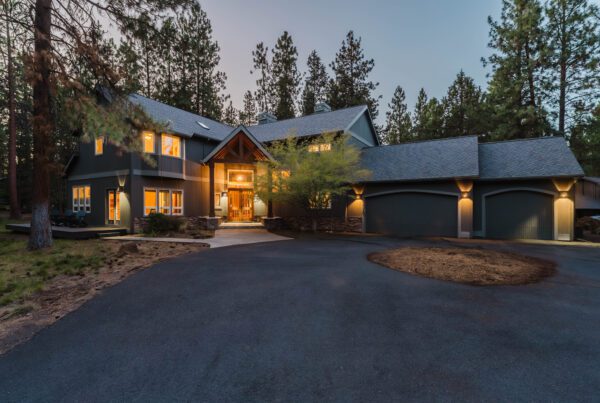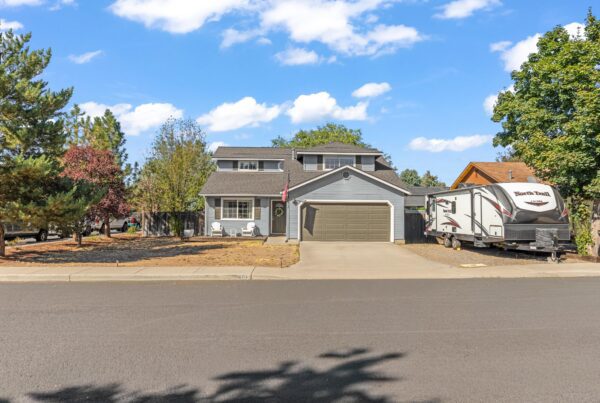
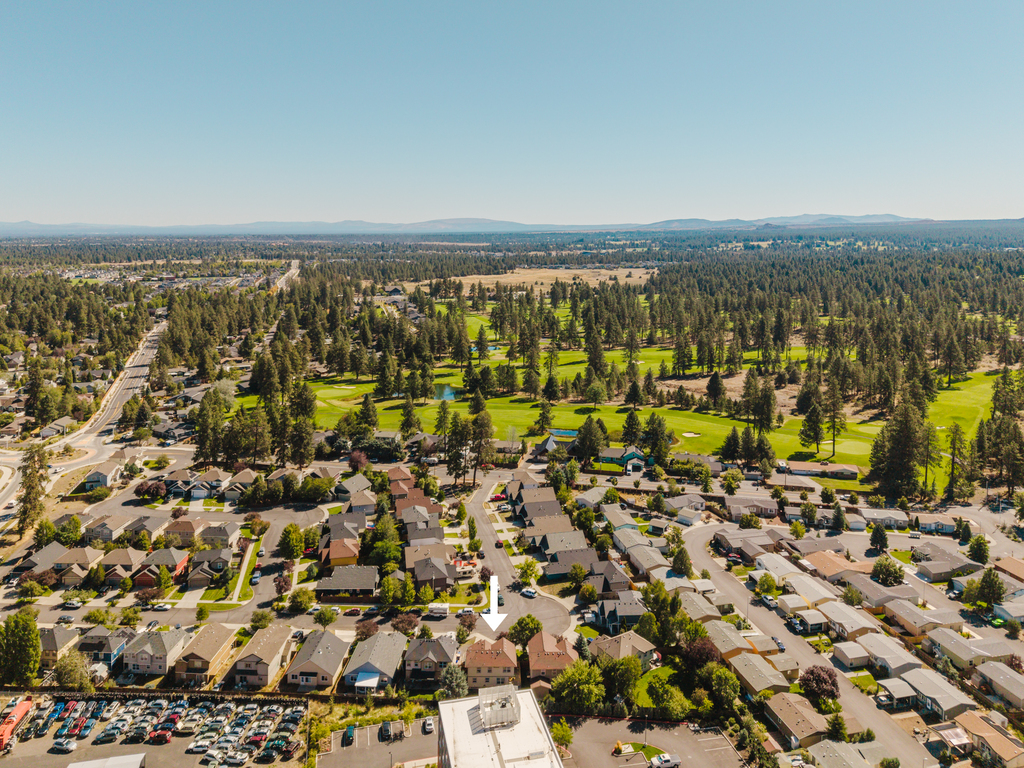
Retiring in Bend can work well for people who want four seasons, outdoor access, and a smaller-city pace. If you are comparing Bend, Oregon retirement communities, start with the housing type, not a best list. A 55-plus ownership community, a manufactured-home community, independent living, assisted living, and a regular Bend home all bring different costs, rules, and duties.
Use this guide to narrow the options. Then check the current community papers, fees, openings, and care services before you decide.
What 55-plus means
55-plus is a legal housing category, not a promise that every resident is 55 or older. Under the federal Housing for Older Persons rules, a qualifying 55-and-older community generally must have at least 80% of its occupied units occupied by at least one person age 55 or older, along with policies and age checks. A community may set more specific rules for spouses, younger household members, and guests.
If you are looking at 55+ communities in Bend, Oregon, do not rely on a listing alone. Read the governing papers and ask the community or association to confirm:
- the age and occupancy rules;
- guest and caregiver policies;
- rental, pet, and vehicle limits;
- monthly dues or space rent and what they cover;
- maintenance duties and reserve funding; and
- resale, financing, and insurance rules.
The federal standard is explained in 24 CFR Part 100, Subpart E. Community rules can be more detailed, so the recorded covenants, lease, or residency agreement still matter.
Three different retirement-housing models in Central Oregon
Individually owned homes in an active-adult community
The Falls at Eagle Crest, west of Redmond, is an over-55 active-adult community within Eagle Crest. The Ridge at Eagle Crest Owners’ Association says its homes are individually owned. Owners are responsible for their homes, landscaping, and lots, while association dues support the clubhouse and common areas.
This model may fit someone who wants a detached home and community amenities but can handle normal ownership duties.
It is outside Bend, so compare the drive to health care, shopping, friends, and the activities that will shape an ordinary week, not just the resort setting.
A manufactured home with leased land
Cascade Village is a 55-plus manufactured-home community in northeast Bend. Its current FAQ says residents pay a monthly space fee for the lot, community services, and amenities. Homeowners still handle their homes, lots, landscaping, and irrigation systems.
That structure is very different from owning both a home and the land beneath it. Ask for the current lot-rental agreement, screening policy, rules, fee schedule, and any history of space-rent increases. Confirm that the home and lease structure fit the financing and resale plan you expect to use.
Independent living with optional levels of support
Touchmark at Mount Bachelor Village describes independent living, assisted living, memory care, and home-care options at its Bend campus. This is a service-based senior-living model rather than a regular neighborhood comparison.
When care is part of the decision, compare the housing agreement, included services, staffing, how fees change as needs change, and whether two partners with different care needs can remain near each other. The Oregon Department of Human Services licensing search provides provider profiles, inspection reports, confirmed violations, and regulatory actions for licensed long-term-care settings.
A conventional home may still be the best retirement fit
Not every retiree needs an age-qualified community. A one-level home, townhome, or condo in a general-occupancy neighborhood may offer more location choices and easier access to established friends, trails, shops, or medical appointments.
Start with how you expect to live day to day. Bend Relo’s approach is to match a property to the buyer’s intended use, then identify what must be checked. For retirement housing, that means looking beyond finishes to stairs, snow and ice exposure, yard work, roof and HVAC age, garage access, guest space, pets, HOA obligations, and the chance of future mobility changes.
Our Bend neighborhood relocation guide explains how to compare locations by routine, access, and trade-offs rather than by broad rankings.
Taxes and health care: verify the whole picture
Oregon does not have a general sales or use tax. Oregon lets you subtract Social Security benefits included in your federal adjusted gross income when you file your state return. That does not mean retirement in Oregon is tax-free. Other retirement income may be taxable, property taxes vary by property, and individual circumstances differ. Review the current Oregon sales-tax guidance and personal-income-tax resources, then speak with a qualified tax adviser about your situation.
St. Charles Bend is the city’s hospital campus, but a hospital is only one piece of health-care planning. Before you move, confirm that the physicians, specialists, pharmacies, rehab services, and insurance network you use are local. The St. Charles Bend location page and provider directory are useful starting points.
Still choosing the place as well as the housing arrangement? Explore what retirement in Bend could look like. For a property shortlist, our retirement home and move-planning guide adds a comparison sheet for ongoing costs, maintenance, and the practical steps before arrival.
A practical retirement-housing checklist
- Housing structure: Do you own the land, lease it, or pay for housing and services under a residency agreement?
- Monthly cost: What is included in dues, space rent, or service fees, and what can change?
- Maintenance: Who handles landscaping, snow, exterior repairs, and major systems?
- Access: Can the home work with fewer stairs, wider paths, and a main-level bedroom and bath?
- Care: Is this independent housing, licensed care, or a community that offers both?
- Location: How long is the real drive to appointments, groceries, recreation, and the people you see most?
- Rules: Are pets, guests, rentals, vehicles, and home changes compatible with your plans?
- Exit plan: How would the home be financed, sold, or transferred later?
A useful comparison is not which Bend retirement community is best. It is which housing model supports the life I want now, and what happens if my needs change? Bend Relo can help compare the real-estate side of those choices, review property-specific obligations, and coordinate the questions that belong with community managers, attorneys, tax professionals, or care providers.
Q&A
Question: Is a 55-plus community the same thing as assisted living?
Short answer: No. 55-plus usually refers to an age-qualified housing category, while assisted living is a care-based model with services and licensing rules. A 55-plus ownership or manufactured-home community may offer amenities and age-based occupancy rules, but residents may still handle maintenance, daily living, and care on their own.
Question: Why does it matter whether the land is owned or leased?
Short answer: Owning both the home and land is different from owning a manufactured home on leased land. With leased land, the monthly space fee, lease terms, rules, rent increases, financing options, and resale process can all affect the long-term cost and exit plan. That is why the guide recommends reviewing the current lot-rental agreement, fee schedule, and community rules before deciding.
Question: What should retirees verify before choosing a senior-living community with care options?
Short answer: Retirees should compare the housing agreement, included services, staffing, fee changes as care needs change, and whether partners with different care needs can remain near each other. For licensed long-term-care settings, the Oregon Department of Human Services licensing search can also help review provider profiles, inspection reports, confirmed violations, and regulatory actions.
Question: Can a conventional Bend home be a better retirement choice than a senior community?
Short answer: Yes. A one-level home, townhome, or condo in a general-occupancy neighborhood may offer better access to friends, trails, medical appointments, shopping, or daily routines. The key is to review practical factors such as stairs, snow and ice exposure, yard work, major systems, HOA obligations, pets, guest space, and future mobility needs.
Question: What are the biggest non-housing factors to check before retiring in Bend?
Short answer: Taxes and health care deserve close review. Oregon does not impose a general sales or use tax. Taxpayers subtract Social Security benefits included in federal adjusted gross income on the Oregon return, but they may still consider other retirement income and property taxes. Health-care planning should also include confirming local physicians, specialists, pharmacies, rehabilitation services, and insurance networks, not just distance to St. Charles Bend.
Talk with David & the Bend Relo team
Buying, selling, relocating, or evaluating a specific property? Tell us what you are working through. We are happy to help.