
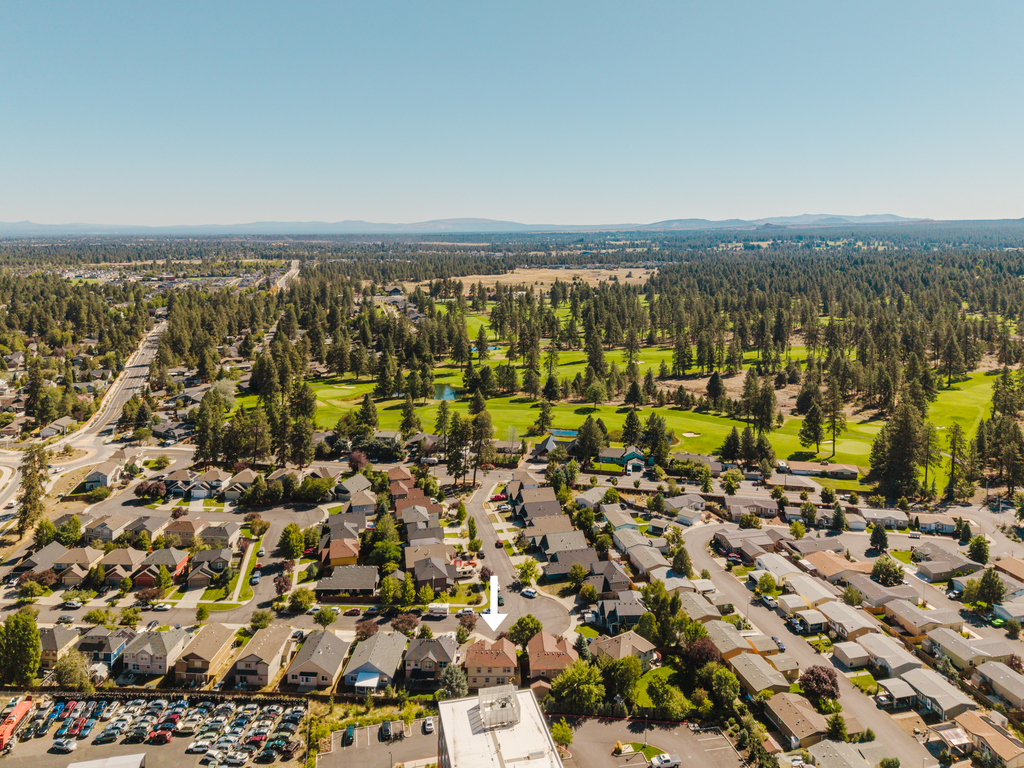
Renting vs. Buying in Bend: What Actually Makes More Financial Sense in 2026?
It’s the age-old debate at every Bend dinner party: Is it better to keep renting or finally dive into homeownership? As we move into 2026, the answer isn’t as simple as it was five years ago. With a massive surge in new apartment inventory finally cooling the rental market, and mortgage rates settling into a “new normal,” the math has changed. At [Your Company Name], we believe in making moves based on data, not just dreams.
Here is the 2026 financial breakdown of renting versus buying in Central Oregon.
The 2026 Rental Reality: More Options, Less “Hike”
After years of double-digit increases, Bend’s rental market has finally taken a breath. Thanks to new developments in the Old Mill and Eastside, the average rent for a 2-bedroom apartment is currently hovering around $1,900 to $2,100.
The Financial “Pro” for Renting:
-
Liquidity: Your capital isn’t locked in a down payment. In a 2026 economy, having that cash available for investments or high-yield savings is a viable strategy.
-
Fixed Costs: In Bend, snow removal and unexpected furnace repairs in January are your landlord’s problem, not yours.
-
Mobility: If you decide the mountain life isn’t for you, moving is as simple as a 30-day notice.
The Case for Buying: Building “Real” Wealth
While renting offers flexibility, buying in Bend remains one of the strongest long-term wealth builders in the Pacific Northwest. With 2026 median home prices stabilizing around $685,000 to $720,000, the “barrier to entry” is high, but the “return on life” is higher.
The Financial “Pro” for Buying:
-
The Equity Engine: Even with modest 3–4% appreciation, a $700k home in Bend gains $21,000+ in value in just one year. You don’t get that from a security deposit.
-
Tax Advantages: Mortgage interest deductions remain a significant shield for many Bend professionals.
-
Cost Stability: While rents will eventually start climbing again, a fixed-rate mortgage (currently seeing great opportunities in the high 5% to low 6% range) locks in your housing cost for decades.
The “Breakeven” Point
In 2026, the “Price-to-Rent” ratio in Bend suggests that if you plan to stay in your home for more than 5 to 7 years, buying almost always wins.
Expert Tip: If you’re looking at a monthly rent of $2,800 for a single-family home, you are effectively paying a 100% interest rate to your landlord. Buying a similar home might cost $3,800 monthly, but a large portion of that is “forced savings” in the form of principal pay-down.
Comparison Table: 2026 Monthly Outlook
| Feature | Renting (3-Bed House) | Buying ($700k Home) |
| Monthly Payment | $2,700 – $3,200 | $3,600 – $4,200* |
| Upfront Cost | ~$6,000 (First/Last/Sec) | $25k – $140k (Down/Closing) |
| Maintenance | $0 | 1% of home value/year |
| Equity Gained | $0 | ~$12k – $25k+ per year |
*Based on a 10-20% down payment and 2026 mortgage rates.
The Verdict
If you are in a “transitional” phase—new to Bend, testing out a remote job, or unsure of your long-term plans—renting is the smart financial play to avoid the high transaction costs of buying and selling.
However, if you are rooted in this community, buying in 2026 is a hedge against future inflation. You aren’t just buying a house; you’re buying a piece of Bend’s future.