


How to Evaluate a Mudroom in a Bend Home
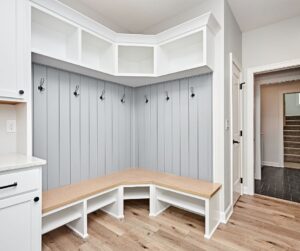
A mudroom can be one of the hardest-working spaces in a Bend home, but the label alone does not tell you whether it will work for your household. The useful question is not simply whether a home has a mudroom. It is whether the space is in the right location, has enough storage, handles wet and dusty gear well, and fits the way you actually enter and leave the home.
For buyers comparing homes in Central Oregon, a few minutes of practical evaluation can separate a genuinely useful transition space from a narrow hallway with a bench.
Key takeaways
- Follow the route you would use from the driveway or garage into the home.
- Measure storage for your real gear instead of relying on staged baskets and hooks.
- Look for durable, easy-to-clean surfaces and a realistic way to dry wet items.
- Check exterior doors, thresholds and weatherstripping for drafts or water entry.
- Compare the mudroom with other storage areas before assigning it extra value.
Start with the entry you will actually use
A beautiful drop zone beside the front door may not help much if everyone normally comes in through the garage. During a showing, trace the everyday route from the car to the kitchen and living areas. Notice whether coats, shoes, backpacks and groceries can be set down without blocking a door or a main walkway.
Also consider the route from the yard. Dog owners may care more about a side or rear entry with a washable floor. A household that skis, rides or camps may need a clean handoff between bulk storage in the garage and smaller items inside the home. The best location depends on your routines, not a universal floor-plan rule.
Measure usable storage, not just the room
Built-ins can make a mudroom look finished, but they may not fit adult coats, tall boots or the gear you use most often. Open cabinet doors, check shelf depth and measure the longest or bulkiest items you expect to store.
A practical inventory may include:
- daily shoes and winter boots;
- coats, helmets and backpacks;
- dog leashes, towels and cleanup supplies;
- small recreation gear that should stay warm and dry; and
- mail, keys or charging items that need a consistent landing spot.
Bikes, skis and larger equipment often belong in a secure garage, shop or dedicated gear room. A mudroom does not need to hold everything; it needs to keep the transition between outdoors and the living space orderly.
Look closely at moisture and drying
Snowy boots, wet jackets and muddy paws introduce moisture. Inspect the floor and lower walls for swelling, staining, soft trim, loose flooring or persistent odors. Ask where damp items are meant to dry and whether the space has useful air circulation. If the mudroom shares space with laundry, check that appliances, doors and storage can all operate without crowding one another.
The U.S. Environmental Protection Agency’s moisture guidance emphasizes fixing the source of water problems and drying water-damaged areas and items within 24 to 48 hours. That makes ventilation, washable surfaces and a workable drying routine more important than decorative finishes alone.
Check the exterior door and threshold
A mudroom often sits between conditioned living space and a garage, side yard or porch. Test the exterior door rather than only looking at it. Does it latch cleanly? Is the threshold secure? Can you see daylight around the frame or feel a draft?
The U.S. Department of Energy explains that weatherstripping is used to seal air leaks around movable components such as doors. Worn seals can be repairable, but the condition is still worth understanding before you buy. Any signs of recurring water entry, rot or structural movement deserve closer evaluation by an appropriate professional.
Test the layout under normal use
Stand in the room with cabinet and appliance doors open. Confirm that people can pass through while someone is sitting on the bench or taking off boots. Check whether hooks are reachable, drawers clear nearby trim and a full laundry basket can move through the space.
Small details often determine whether the room stays organized:
- enough open floor area for more than one person;
- a bench that does not narrow the main path;
- storage divided by household member or activity;
- lighting that reaches cabinets and corners; and
- outlets located away from likely wet zones.
If an outlet, plumbing fixture or appliance appears questionable, treat it as an inspection item rather than making assumptions during a showing.
Consider the tradeoffs in a combined space
Many homes combine the mudroom with laundry, a pantry or garage access. That can be efficient, but it can also concentrate noise, clutter and traffic. Decide whether the arrangement helps or competes with your daily routine. For example, a generous laundry counter may be more useful to one household than a wall of cubbies, while another buyer may prefer closed storage that keeps outdoor gear separate from clean laundry.
Also compare what the room replaces. A compact entry can work well when the home already has strong coat closets and garage storage. A large mudroom may be less valuable if it takes space from the kitchen, pantry or another room you would use more often.
Questions to ask during a showing
- Which entrance do the current occupants use most often?
- Has the room ever had water intrusion, plumbing leaks or flooring repairs?
- Are the built-ins attached, and are they included in the sale?
- Where are bulky bikes, skis and seasonal items stored?
- Does the space remain comfortable during winter and summer?
- Were any additions, plumbing or electrical changes permitted when required?
Seller answers can help frame your due diligence, but they do not replace a professional home inspection or review of available permits and property records.
Put the feature in context
A functional mudroom can make daily life easier, especially when it connects logically with a Bend household’s outdoor routines. It should still be evaluated as part of the whole property. Storage elsewhere, garage size, laundry layout, door condition and signs of moisture may matter more than the name attached to the room.
If you are comparing homes, the Bend Relo team can help you evaluate how a floor plan and its supporting spaces fit your priorities, then identify the property-specific questions that belong in your inspection and due-diligence plan.
- Explore Bend Relo’s home-buying guidance
- Compare Central Oregon communities
- Read Bend lifestyle and relocation resources
- Get professional relocation support
Talk with David & the Bend Relo team
Buying, selling, relocating, or evaluating a specific property? Tell us what you are working through. We are happy to help.





