

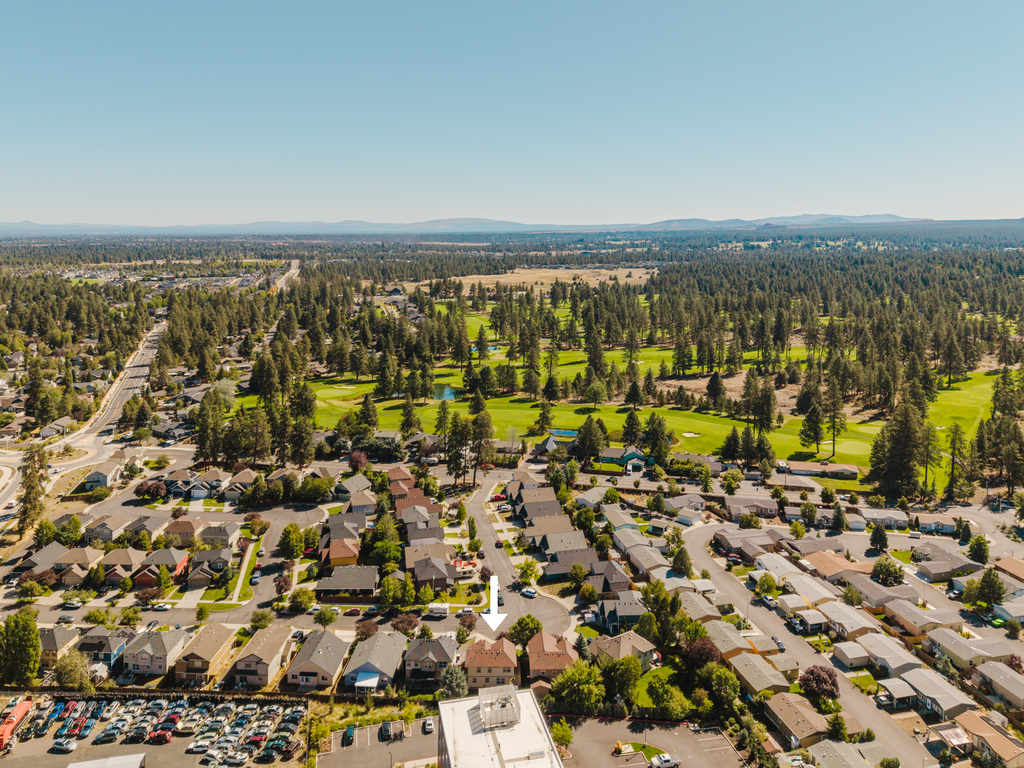
Moving to Bend can be a great fit if you want outdoor access woven into everyday life, a smaller-city pace and four distinct seasons. The tradeoffs are just as real: housing costs can be a stretch, winter conditions and wildfire smoke affect daily routines, and the right location depends on far more than a short list of “best neighborhoods.”
The useful question is not whether Bend is universally better than the place you are leaving. It is whether Bend’s particular mix of recreation, climate, housing, work and travel fits the life you are trying to build.
Why Bend appeals to relocating households
Bend makes it relatively easy to combine a normal workday with time outside. The Deschutes River runs through town. Parks and trails connect many neighborhoods to river access, open space and community gathering places. West of town, the Phil’s Trail network and the Deschutes National Forest help make mountain biking, hiking and trail running part of the local routine rather than an occasional trip.
That proximity is one of Bend’s strongest advantages, but it is not identical from every address. A west-side home may shorten the trip to forest trails while an east-side location may make Highway 20, medical services or a Redmond commute more practical. River access, walkability, school routes and winter road conditions also vary block by block. The Bend Park and Recreation District trail list is a useful starting point for checking the public trail network instead of relying on a listing description.
David Keyte’s own recorded relocation story describes being drawn to Bend by the trails, mountains and lifestyle after first visiting in 2013. That experience shapes Bend Relo’s approach: help a client picture an ordinary Tuesday, not just a vacation weekend or a house with a good view.
What Bend’s high-desert weather actually means
Bend sits east of the Cascade crest in a high-desert environment. The climate generally feels drier than western Oregon, but “sunny” does not mean warm year-round. Winter can bring snow, ice and cold mornings. Summer days can be hot, while evenings often cool quickly. Spring and fall weather can change fast.
That matters when choosing both a home and a routine. A shaded driveway, a steep local street or a longer trip on an exposed rural road can feel very different in January than it does during a summer showing. Irrigation, landscaping and exterior maintenance also deserve a closer look in a dry climate. Rather than relying on the familiar but poorly defined “300 days of sunshine” claim, check the National Weather Service climate data and visit during the season you know least.
Wildfire smoke is another real seasonal variable. Smoke conditions change by year and even by hour, so no responsible relocation guide can promise a predictable number of smoky days. Oregon’s Department of Environmental Quality monitors air quality and publishes current AQI resources. If smoke sensitivity affects your household, include indoor air filtration, cooling and access to clean-air spaces in your housing checklist.
Cost of living: start with the home, then model the full month
A single “Bend costs X% more” statistic is not a sound relocation budget. Those indexes use different assumptions and become stale quickly. Housing is usually the biggest variable, but it is not the only one.
Build a household-specific comparison that includes:
- Housing: rent or mortgage payment, property taxes, homeowners or renters insurance, HOA dues and likely maintenance.
- Utilities: heating and cooling, water or well costs, sewer or septic upkeep, internet and snow removal where relevant.
- Transportation: commute mileage, winter tires or traction equipment, parking and trips to the airport.
- Lifestyle: ski passes, recreation equipment, childcare, pet needs and the activities you expect to use regularly.
- Taxes: Oregon has no general sales or use tax, but that does not eliminate state income tax, property tax or taxes and fees on certain purchases and services.
If you are buying, obtain an insurance quote for the actual property early in the process. Location, construction, roof condition, vegetation and wildfire exposure can influence availability and price. Oregon’s Division of Financial Regulation provides a home-insurance shopping resource, and the Oregon State Fire Marshal explains defensible-space practices. These are property questions, not reasons to reject an entire neighborhood.
Work, travel and the realities of a growing city
Remote work gives some households more freedom to choose Bend, but the basics still need testing. Confirm internet service at the address rather than assuming a neighborhood name guarantees it. If you work across time zones, consider how early calls fit your routine and how much space you truly need for a home office.
Commercial air service is through Redmond Municipal Airport, also known as Roberts Field, north of Bend. RDM offers nonstop connections to several western hubs and other cities, but routes and schedules change. Check the airport’s current airline and direct-flight list against the trips you actually make. A connection that looks easy on a map may still require a drive, parking time and a seasonal backup plan.
Bend is also planning for continued growth in housing, jobs, schools, parks and transportation. The City’s adopted growth plans are more useful than treating today’s traffic pattern or the edge of town as permanent. For a specific home, look at nearby zoning, planned roads, vacant parcels and daily travel routes before deciding that the location works.
Bend is not one lifestyle
“Close to everything” means different things to different households. One buyer may want to bike to trails and restaurants. Another may prioritize a single-level home, a shorter medical-services drive, RV parking, a larger lot or easier access to Redmond.
Use Bend’s areas as a comparison framework, not a ranking:
- West and northwest Bend: often considered for forest access, established parks, neighborhood commercial areas and proximity to many west-side trails.
- Northeast Bend: can be practical for newer housing options, Pine Nursery Park, Highway 20 access and trips toward Redmond.
- Southeast Bend: includes a mix of established homes and newer growth areas, with location-specific differences in services and transportation.
- Central and historic areas: may appeal to households that value older housing, shorter trips to downtown or the Old Mill District and a more connected street pattern.
These are broad orientations, not promises about any property. Explore Bend Relo’s Bend community and real-estate guide, then test the short list in person at the times you would normally commute, shop, walk the dog or take children to activities.
When another Central Oregon community may fit better
Some people begin with “Bend” as shorthand for Central Oregon and ultimately choose somewhere else. Redmond, Sisters, Sunriver, La Pine, Tumalo and Prineville each offer a different combination of housing, services, recreation and travel time. Do not assume one is automatically cheaper, quieter or easier; compare current homes and the actual weekly routine.
The Central Oregon communities guide can help you widen the search without losing sight of your priorities. For some households, renting first is also a sensible way to learn the region before committing to a specific neighborhood or property type.
A practical moving-to-Bend checklist
- Define the ordinary week. List work, school, medical, recreation, airport and family trips before choosing an area.
- Visit in an unfamiliar season. If you only know Bend in summer, see what winter driving and shorter days feel like. If you only ski here, experience a hot or smoky period.
- Build a complete budget. Compare housing, taxes, insurance, utilities, transportation and the recreation expenses you plan to use.
- Test the address. Verify internet, cell service, commute routes, parking, sunlight, snow management and nearby land uses.
- Verify property rules. Review HOA documents, zoning, short-term-rental rules, school boundaries and any well, septic, irrigation or wildfire considerations that apply.
- Compare Bend with nearby communities. The best fit may be outside the city limits—or it may confirm that Bend is worth the tradeoffs for you.
Is moving to Bend right for you?
Bend is strongest for people who will use its outdoor access, appreciate a dry four-season climate and are comfortable planning around the costs and seasonal realities of Central Oregon. It is a weaker fit if your budget depends on outdated cost estimates, you need big-city air schedules, or you expect every neighborhood to deliver the same commute and recreation access.
A good relocation decision starts with your life, then works backward to the right community, neighborhood and property. If you are comparing Bend with nearby Central Oregon options, review the Bend Relo buyer resources or talk with David Keyte about the tradeoffs that matter to your household.
Talk with David & the Bend Relo team
Buying, selling, relocating, or evaluating a specific property? Tell us what you are working through. We are happy to help.





