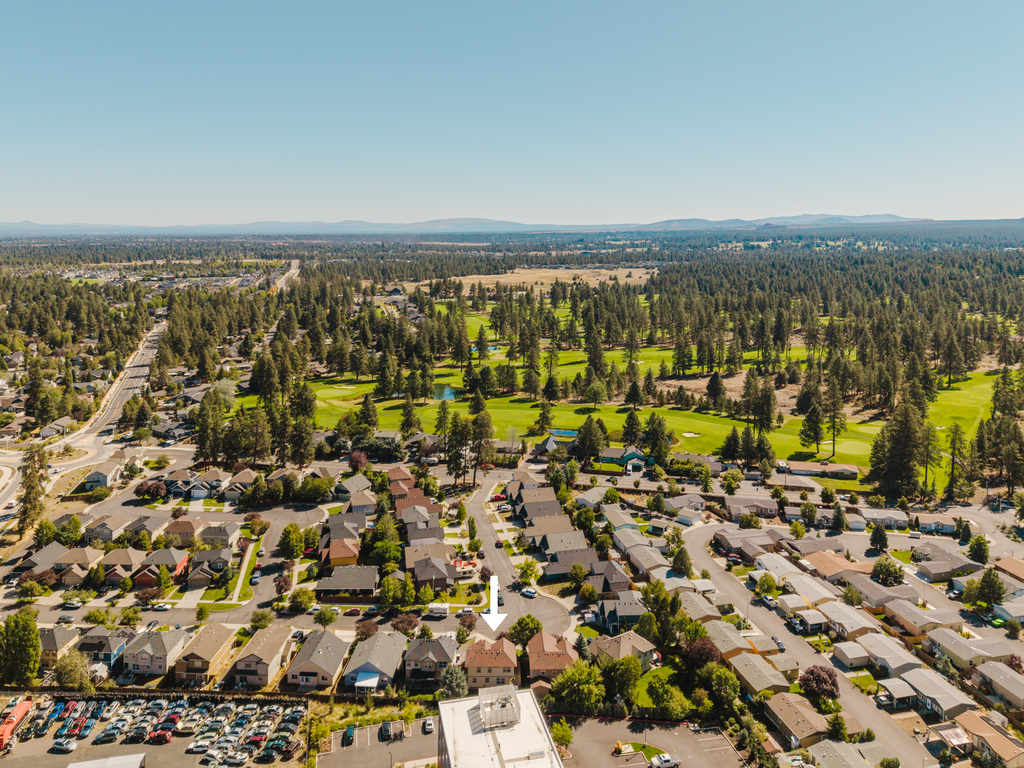
Best Areas in Bend for ADU Potential: What Actually Makes a Property Work
Accessory dwelling units have become an important part of the Bend real estate conversation. Buyers ask us about them for long-term rental income, multigenerational living, guest space, a home office, or simply more flexibility from the property they are buying.
But there is a mistake we see people make when searching for “ADU properties”: the neighborhood name alone does not determine whether a property has good ADU potential.
In Bend, the better question is whether the individual lot works. Lot shape, access, setbacks, existing improvements, utilities, topography, zoning and private CC&Rs can matter more than the neighborhood.
First: Bend’s ADU rules have become much more flexible
Eligible lots with a single-unit dwelling may allow up to two ADUs, subject to the applicable development standards and exceptions. Under Bend Development Code 3.6.200(B), a single ADU is limited to 800 square feet, and a second ADU is limited to 500 square feet. Small dwelling unit developments have separate standards and allow only one ADU; ADUs are not permitted on lots created through a middle housing land division or in cottage developments. Check the current code and the specific property’s eligibility before relying on two-unit potential.
Detached ADUs generally need six feet of separation from the primary dwelling, subject to exceptions. Lot coverage, floor-area ratio, setbacks and other standards still apply, so “ADUs allowed” does not automatically mean every lot can comfortably fit one.
Shop the lot, not just the neighborhood
When evaluating a home for ADU potential, start with the physical property. A modest house on a flat lot with clean side or alley access may be a much better ADU candidate than a more expensive home in a highly desirable neighborhood where the lot is tight, sloped or already heavily improved.
For a buyer who genuinely wants an ADU, this can change how we search. Instead of filtering only by neighborhood, we look for the ingredients that make a second dwelling practical.
What makes a Bend property ADU-friendly?
- Usable lot area. The backyard may look large, but setbacks, easements, lot coverage and existing structures affect the actual buildable area.
- Good access. Alley access or a wide side yard can make a detached ADU feel much more independent and can simplify construction access.
- Relatively flat terrain. Bend has plenty of sloped and rocky sites. Site work can materially change the economics of a project.
- Logical utility connections. Water, sewer, electrical service and other utility conditions need to be evaluated rather than assumed.
- A primary home positioned well on the lot. An older home sitting toward the front of a deeper lot can leave valuable space behind it.
- No private restriction that kills the plan. City zoning and private CC&Rs are different things. The City specifically advises owners to check applicable covenants.
1. Midtown and established east-side neighborhoods
Midtown and other established areas east of Bend’s core can be worth investigating because many properties were developed before today’s tighter infill patterns. Some have relatively simple lots, mature neighborhoods and homes positioned in ways that leave usable yard area.
The opportunity is property-specific, though. We would rather find a flat, accessible lot with a clean utility path than declare an entire neighborhood “ADU ready.”
2. Old Bend and River West
Older west-side neighborhoods can offer something particularly valuable for an ADU: alleys and existing secondary access. When the site works, that can create a more natural separation between the main house and an accessory unit.
The tradeoff is that west-side lots can also be tighter, more expensive, sloped, or affected by historic-area and other site-specific standards. Old Bend can be a great ADU location, but due diligence matters.
3. Larkspur, Old Farm and Southeast Bend
Southeast Bend deserves attention because buyers can encounter larger or more open lots where a detached ADU may fit without consuming the entire backyard. The area’s housing stock and lot patterns vary considerably, which makes individual-property analysis important.
For buyers balancing the cost of the primary residence with the future cost of an ADU, looking beyond the highest-priced west-side neighborhoods can also widen the possibilities.
4. Alley-loaded and infill-friendly properties anywhere in Bend
Some of the best ADU opportunities do not fit neatly into a “best neighborhood” list. A property with alley access, a detached garage that warrants further investigation, an unusually deep lot, or a house positioned toward one side of the parcel may be more interesting than the neighborhood name suggests.
This is why ADU potential is best treated as a property characteristic—not simply a location characteristic.
What about Northwest Crossing?
Northwest Crossing deserves separate treatment rather than a simple yes-or-no rating. The City specifically notes that ADUs there are subject to special standards. Private design requirements and CC&Rs may also matter.
If an ADU is central to your purchase decision, verify both City requirements and the applicable private documents before treating the potential as part of the property’s value.
Bend now offers five free pre-approved plans
The City of Bend has expanded its free Pre-Approved Plans Program to five designs. The current collection ranges from a compact 500-square-foot one-bedroom plan to roughly 800-square-foot one- and two-bedroom options, including a design with living space above a two-car garage.
These plans can reduce design and review work, but they do not make the site itself automatically buildable. Owners still need a site-specific plan, permits, applicable fees and System Development Charges, and the property must satisfy zoning and building requirements.
Don’t assume an ADU automatically means Airbnb income
An ADU and a short-term-rental permit are separate issues. Bend regulates short-term rentals, and Type II whole-house rentals—including ADUs used that way—are generally subject to a 500-foot separation rule in applicable residential and Mixed Use Riverfront areas.
If rental income is part of your purchase analysis, decide whether your plan is long-term rental, short-term rental, family use or some combination—and verify the rules for that specific property before assigning income to it.
Utilities can make or break the economics
A conceptual ADU may look easy on a map but become more complicated once utilities are evaluated. The City notes that water service may need review for additional fixture load, and detached ADUs have specific water and sewer requirements. Properties using septic require additional authorization.
That is why we would never tell a buyer that a lot “definitely” supports an ADU based only on MLS remarks or backyard size. The next step is always property-specific verification.
Remember the property-tax effect
Building an ADU can also affect the property’s assessed value. Oregon generally limits growth in Maximum Assessed Value for unchanged property, but new construction and qualifying improvements can create exception value.
We explain that system in our guide to Oregon property taxes and reassessment. If an ADU is part of your financial plan, future property taxes belong in the budget along with construction, permits, SDCs, utilities, insurance and financing.
A Bend Relo ADU-property checklist
When we are looking at a Bend home through an ADU lens, these are the questions worth answering:
- Is the property eligible for an ADU under current City rules?
- Where is the primary home positioned on the lot?
- How much usable buildable area remains after setbacks and lot-coverage rules?
- Is there alley or side-yard access?
- How flat or difficult is the proposed building area?
- Where are water, sewer and electrical services?
- Are there easements or existing structures in the way?
- Do HOA documents or CC&Rs impose additional restrictions?
- Would historic, Northwest Crossing, waterway or other special standards apply?
- Is the intended use long-term rental, family housing, office/guest space or short-term rental?
- What could the project do to the property’s future tax assessment?
Where to start
The City of Bend ADU Resource Hub is the best place to verify current City requirements, permitting steps and pre-approved plans. Rules change, and every property is different, so confirm current requirements before purchasing or beginning design work.
If an ADU is part of what you want from your next Bend property, tell us early. Bend Relo can help identify homes with the physical characteristics worth investigating and help you separate genuine ADU potential from an attractive backyard that may not actually work.
This guide is for general real estate information and is not land-use, building, tax or legal advice. Verify property-specific requirements with the City of Bend and the appropriate professionals before making development or investment decisions.
Talk with David & the Bend Relo team
Buying, selling, relocating, or evaluating a specific property? Tell us what you are working through. We are happy to help.