
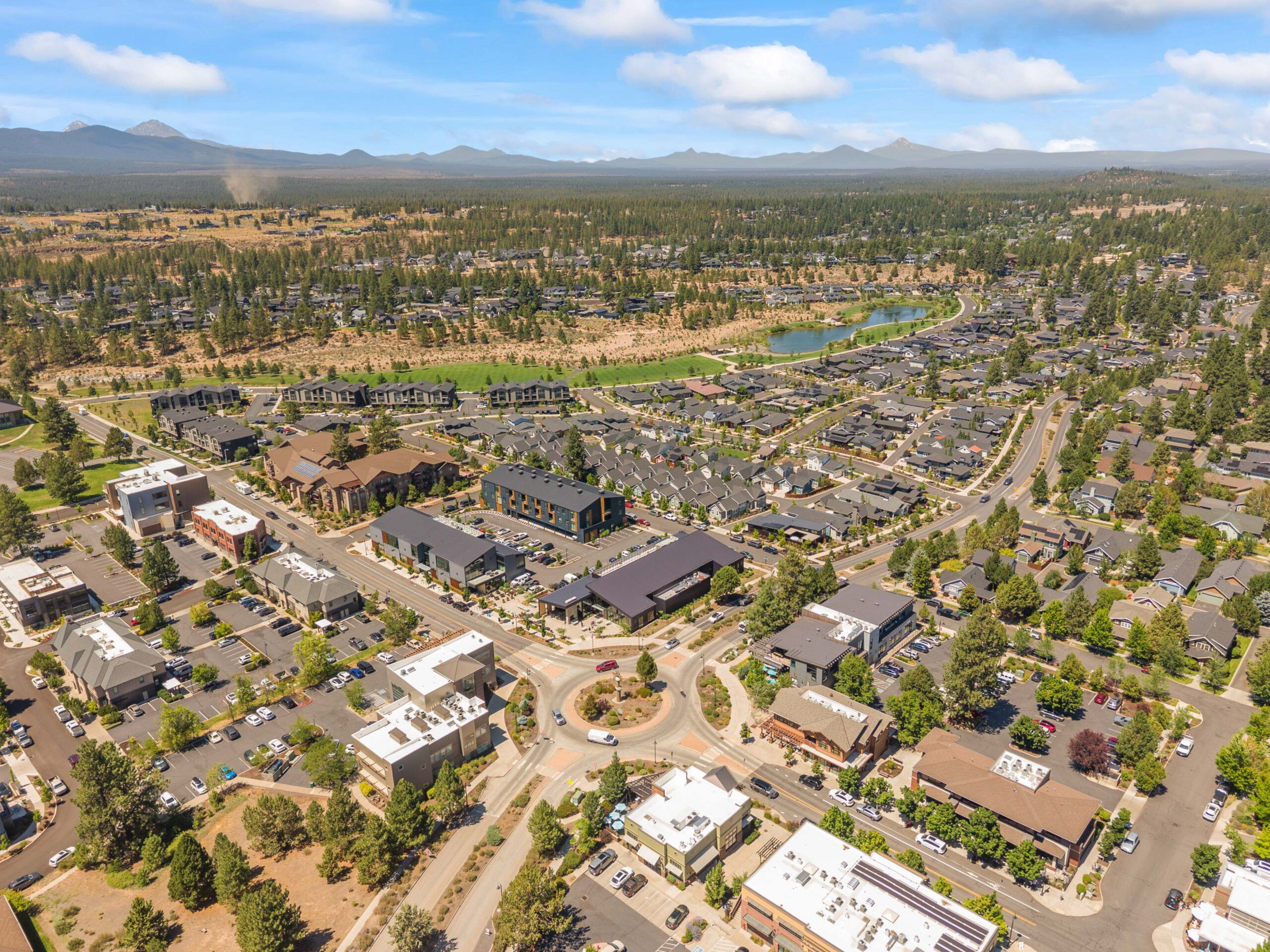
Funding the Future: Inside Bend’s New Green Infrastructure Shift
How a newly adopted municipal fee is quietly transforming local transit, trail networks, and neighborhood safety standards across the high desert. In fact, the Climate Pollution Fee in Bend is a pivotal part of this transformation.
📖 Explore Core Guide Sections
▼
Strategic Baseline
As Central Oregon expands, city planners are shifting away from car-heavy reliance. By implementing targeted environmental fees, our municipality is accelerating the construction of protected commuter grids, lowering utility impacts, and fortifying residential codes against regional fire cycles. Notably, the Climate Pollution Fee in Bend is helping to fund these vital improvements.
Key Program Metrics
- 🔹 Policy Status: Formally Adopted by City Council
- 🔹 Primary Beneficiary: Bend Bikeway Connected Grid
- 🔹 Safety Mandate: Residential Wildfire Building Codes
[01] Balancing Growth and Environmental Care
Living in the high desert means intimately understanding our connection to the surrounding geography. To ensure our rapid population growth doesn’t compromise local air metrics or traffic patterns, the city recently passed the Climate Pollution Fee in Bend. This regulatory tool provides localized funding that directly updates neighborhood infrastructure, transforming how we move through our favorite commercial corridors.
Rather than redirecting capital out of state, these specific resources stay entirely within city borders. This local focus ensures that expanding residential developments contribute directly to green transportation upgrades, preserving the clear blue skies and easy transit networks that define the local lifestyle. In short, Climate Pollution Fee in Bend revenue helps fund greener city growth.
Expert Advisory: Keep these upcoming Bend infrastructure updates in mind if you are shopping for real estate along the Galveston or Neff Road corridors. Massive pedestrian updates and multi-use bike path connectivity projects are rolling out over the coming months, which will drastically improve localized walkability and property appeal across those sectors.
[02] Where the Funding Lands: Bikeways and Wildfire Safety
The modern policy allocations target two primary areas: expanding emission-free commuter pathways and strengthening structural community safety. By linking these long-term upgrades together, the city is fostering highly resilient, accessible neighborhoods. Furthermore, Climate Pollution Fee in Bend initiatives are designed to directly support these improvements.
| Infrastructure Pillar | Current Core Project Focus | Neighborhood Impact |
|---|---|---|
| Bend Bikeway Program | Accelerating neighborhood low-stress corridor links | Safer, fully separated alternate paths connecting East and West town hubs. |
| Wildfire Mitigation Codes | Mandating fire-resistant residential build standards | Increased neighborhood protection margins along high-desert edges. |
📋 Staying Ahead of Neighborhood System Changes
Make sure your home maintenance and personal transit maps are updated for our evolving city landscapes:
Frequently Asked Questions
Q: How will the Climate Pollution Fee affect my monthly home expenses?
▼
Q: Does this new framework impact current home building guidelines?
▼
Let’s Strategy Map Your Next Step
Navigating changing city codes, transit developments, and neighborhood values requires experienced guidance. Whether you are building from scratch or looking to lock down an energy-efficient property in a premium neighborhood corridor, we are here to help you get it right. Connect with our team today to review your real estate roadmap.