

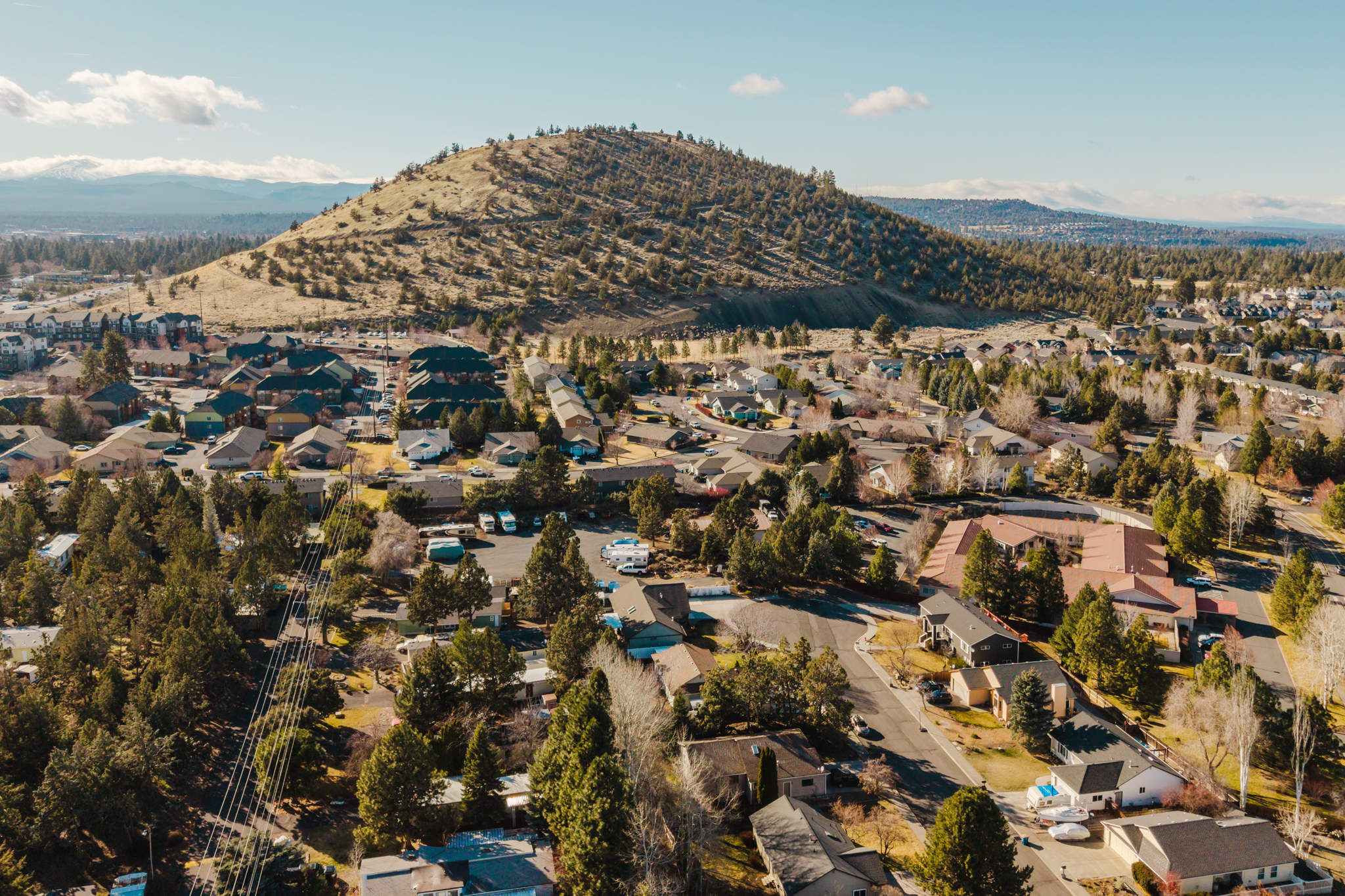
Touring Bend Homes in Rain or Snow: A Buyer Checklist
A wet or snowy showing is not a shortcut to a bargain. It can, however, give you a useful snapshot of how a property and its access behave in uncomfortable weather. The key is to separate what you can observe from what still needs professional evaluation.
Use this checklist to organize your questions during a showing, then confirm important findings through records, inspections and qualified contractors. One storm cannot prove that a home has—or does not have—a drainage, roofing or moisture problem.
What weather can show you—and what it cannot
Rain, snow and freeze-thaw conditions may make runoff patterns, slick walkways, active drips, drafts or difficult driveway grades easier to notice. Those observations are clues, not diagnoses. Fresh paint can conceal an old stain, snow can cover grading and landscaping, and a dry crawlspace on one visit does not establish a long-term history.
Take notes and photos where permitted. Ask the seller for available repair invoices, roof documentation, drainage plans and maintenance records. Then give your inspector the specific areas you want examined.
Start with the route and the driveway
Before you focus on finishes, pay attention to how you reached the property. In Central Oregon, access questions can matter as much as the house itself.
- Is the road public, private or maintained by an owners association?
- Who is responsible for plowing, sanding, drainage and repairs?
- Does the driveway have a steep grade, shaded curve or limited turnaround?
- Can delivery vehicles, moving trucks and emergency vehicles reasonably reach the home?
- Are sidewalks, steps and entries shedding water or collecting ice?
Do not rely on appearances or a listing description for road responsibility. The Deschutes County road-ownership map is a useful starting point, but buyers should also review title documents, recorded access agreements and association materials when applicable.
Look at the roofline, gutters and exterior drainage
From a safe location, note how water leaves the roof and where it goes next. You are not trying to inspect the roof yourself. You are gathering questions for a qualified professional.
- Are gutters overflowing, sagging or missing at a roof edge?
- Do downspouts discharge away from the foundation?
- Is water pooling next to the house, garage or retaining wall?
- Are there splash marks, eroded soil or sediment trails that suggest repeated runoff?
- Do decks, patios and exterior stairs appear to drain away from the structure?
The City of Bend explains that rain, snow and sleet can become stormwater runoff as they move across roofs, pavement and other surfaces. Some properties also have private stormwater facilities with owner maintenance obligations. If you see a swale, drywell, catch basin or other drainage feature, ask what it serves and whether a private stormwater maintenance agreement applies.
Use your senses inside—without jumping to conclusions
Once indoors, slow down. Look at ceilings, window corners, exterior walls, the garage, mechanical areas and accessible lower levels. Note stains, musty odors, condensation, unusually cold rooms or active dripping. Ask whether the heating system is operating normally and whether any areas are intentionally closed off.
A stain does not tell you whether a leak is active, and the absence of an odor does not rule out concealed moisture. Oregon requires a person inspecting more than one structural component of a residential building to be a certified home inspector working for a properly licensed business. Buyers can review the Oregon Construction Contractors Board’s inspector requirements and its guidance on finding and verifying a home inspector.
Remember what the season may hide
Snow, dormant landscaping and short daylight can limit what you can evaluate during a showing. Depending on the property and your priorities, consider requesting records or a follow-up visit for:
- irrigation zones, backflow equipment and seasonal service;
- grading, retaining walls and planted drainage areas;
- decks, patios, roofs and exterior finishes obscured by snow;
- shared-road or private-drive maintenance;
- well, septic or other rural systems, when applicable; and
- association rules, budgets and responsibility for snow removal or drainage.
If a feature cannot be reasonably evaluated during the inspection period, discuss the available options with your real estate broker and inspector rather than assuming it is acceptable.
Keep weather observations separate from negotiation
Bad weather does not establish that competition is low, a seller is motivated or a price reduction is likely. Those conclusions require current evidence: listing history, comparable sales, property condition, seller disclosures, inspection findings and the terms that matter to both sides.
A sound offer also has to work with your financing and cash reserves. Before using a repair request, credit or price adjustment, confirm the effect with your lender and real estate broker. Loan programs and appraisal conditions can treat repairs and concessions differently.
A showing-day checklist
- Check the road, driveway, parking area and walking route.
- Observe where roof and surface water travel.
- Note puddling, erosion, stains, odors, drafts and condensation.
- Ask for relevant repair, roof, drainage and maintenance records.
- Identify features that weather prevents you from evaluating.
- Verify road, association and private-system responsibilities.
- Give your inspector a written list of concerns.
- Base any negotiation on documented condition and current market evidence—not the forecast.
Plan the next step
A stormy showing can be informative when it leads to better questions. It should not replace careful due diligence. If you are planning a Bend or Central Oregon purchase, review our buyer resources or contact the Bend Relo team to build a property-specific tour and inspection plan.
This article is general educational information, not legal, engineering, inspection, lending or contracting advice. Property conditions and responsibilities vary; consult the appropriate licensed professionals and review the documents for the specific home.
Talk with David & the Bend Relo team
Buying, selling, relocating, or evaluating a specific property? Tell us what you are working through. We are happy to help.





