

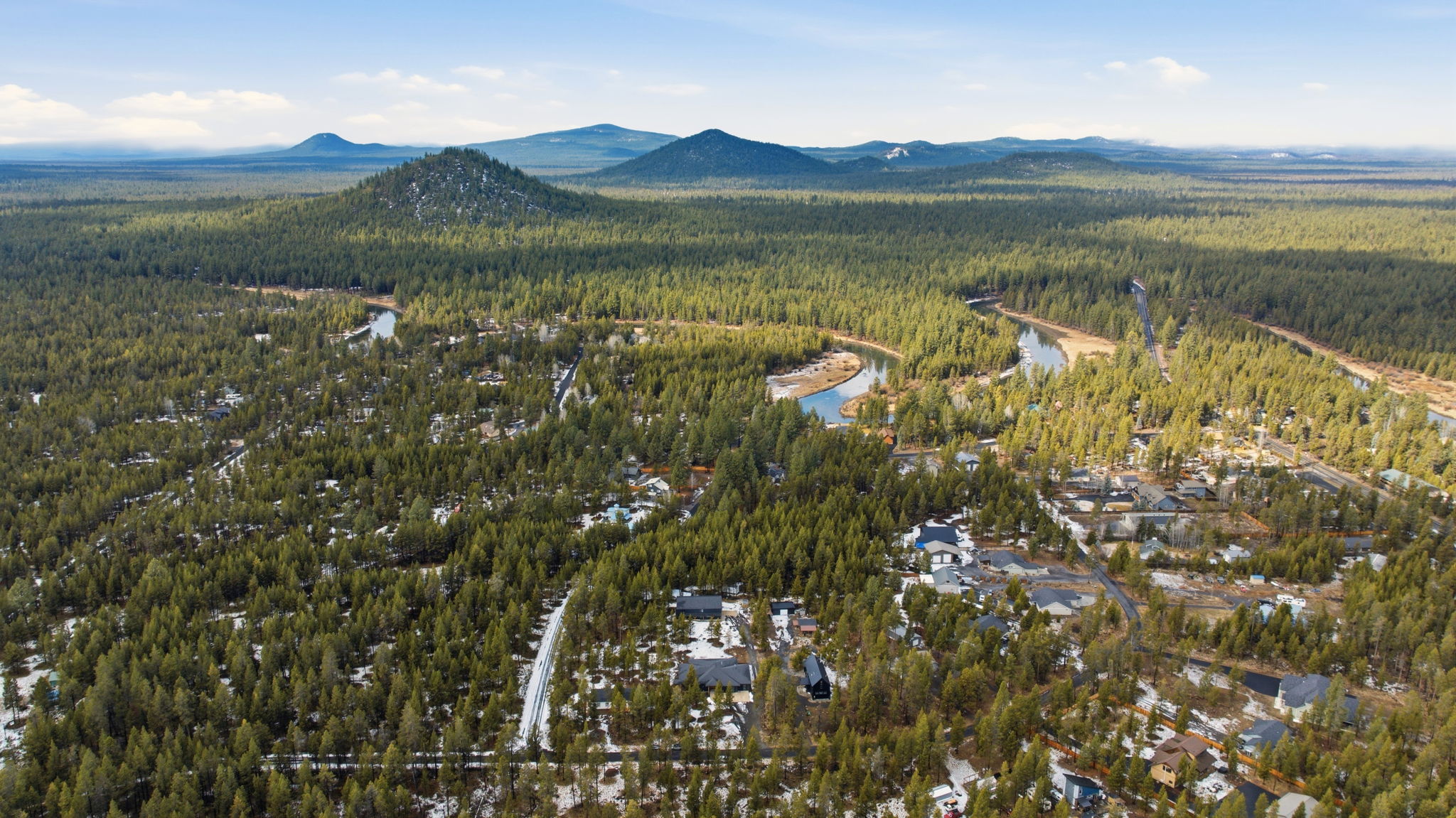
Buying a Lock-and-Leave Home in Bend: A Practical Checklist
A “lock-and-leave” home is not a particular building style. It is a property you can leave for days or weeks with a clear plan for maintenance, weather, insurance, security and access. In Bend, that plan needs to account for freezing temperatures, wildfire exposure, irrigation, snow and the exact division of responsibility between an owner and any homeowners association.
The right property may be a condominium, townhome, cottage or detached house. The best fit depends less on the marketing label and more on what is actually maintained, what the governing documents allow and who will respond when you are away.
Start With the Ownership Structure
Before comparing finishes or smart-home features, identify the legal form of ownership and the maintenance boundaries. A condominium association, planned community and fee-simple home can assign responsibilities very differently.
For a property with an association, ask for the declaration, bylaws, rules, current budget, reserve information, insurance summary, recent meeting minutes and any available record of special assessments or pending projects. Oregon law addresses reserve studies and maintenance planning for many planned communities and condominiums, but the documents for the specific property control many day-to-day questions. The relevant statutes are available in Oregon Revised Statutes Chapter 94 for planned communities and Chapter 100 for condominiums.
Do not assume an HOA fee makes a home hands-off. Confirm in writing who handles:
- roof, siding, windows, decks and exterior paint;
- landscaping, irrigation start-up and winterization;
- snow and ice on roads, driveways, walkways and roofs;
- tree care, defensible space and debris removal;
- water or sewer lines serving the unit;
- pest control and entry for emergency repairs; and
- association insurance versus the owner’s policy.
Confirm Insurance Before You Commit
Tell the insurance agent how the home will actually be used: primary residence, second home, seasonal residence or rental. Ask how the policy defines “vacant” and “unoccupied,” what inspections or heat settings are required, and whether a prolonged absence changes coverage.
The Oregon Division of Financial Regulation warns that many policies restrict certain losses after a property has been vacant or unoccupied for a period of time. It also notes that frozen-plumbing losses may not be covered unless heat is maintained or the pipes are drained. Policy language varies, so a verbal assumption is not enough—request written confirmation from the carrier or agent.
Also ask about wildfire underwriting, replacement-cost assumptions, water damage, service-line coverage, sewer backup, association deductibles and any coverage needed for furnishings or rental activity. If the home is in an association, compare the master policy with the owner policy so there is no unclear gap.
Plan for Bend Winters
Remote thermostats and leak sensors are useful, but they do not replace a physical response plan. The City of Bend’s winter guidance says property owners are responsible for protecting their pipes and notes that exposed pipes can freeze within hours during subfreezing weather.
Before leaving in winter, decide who will:
- verify the heat is operating and receive low-temperature alerts;
- disconnect hoses and protect exterior faucets;
- check the home after an outage or severe cold snap;
- clear snow where the owner—not the association—is responsible;
- inspect for roof leaks, ice or fallen limbs; and
- reach the water shutoff quickly if a leak is detected.
Test the system before a long trip. Make sure alerts reach more than one person, batteries are current and the local contact has keys, gate codes and authority to act.
Evaluate Wildfire and Exterior Maintenance
A low-maintenance landscape is not automatically a wildfire-ready landscape. Look at vegetation next to the structure, combustible material under decks, tree condition, roof and gutter access, and the ongoing work required around the property. The Oregon State Fire Marshal offers practical defensible-space guidance and free educational assessments for Oregon property owners.
If an association maintains common landscaping, ask whether its scope includes defensible-space work around the home and who pays for improvements. For a detached home, obtain realistic bids for yard care, irrigation, gutter cleaning, tree work and snow service rather than treating those as incidental costs.
Check Rules Before Assuming You Can Rent It
Some part-time owners hope to rent a home while they are away. That possibility should be verified, not built into the purchase assumptions. Review the association’s rental restrictions, lender requirements, insurance terms and current City of Bend rules for the specific address.
The City maintains a short-term-rental eligibility tool, but eligibility alone is not an approval or a promise of rental income. Permits, operating requirements, taxes and private restrictions may apply. Underwrite the home first as a place you can comfortably own without depending on speculative nightly-rental revenue.
Build a Real Absence Plan
Technology can help you notice a problem. A local person is usually what solves it. Before an extended absence, create a simple written plan with:
- a trusted local contact or property manager;
- licensed vendors for HVAC, plumbing, electrical and irrigation work;
- shutoff locations, alarm instructions and association contacts;
- a schedule for interior and exterior checks;
- mail, package and vehicle arrangements;
- emergency spending authority and insurer contact details; and
- a backup method of entry if a smart lock or internet connection fails.
USPS Hold Mail can pause delivery for 3 to 30 days. Longer absences may require forwarding or another mail plan. Package deliveries, trash service and visible signs of vacancy deserve separate attention.
Questions to Ask at Every Showing
- What maintenance remains the owner’s responsibility?
- Can the water be shut off without affecting neighboring units or fire-suppression systems?
- Is there a reliable local contact who can enter the home during an emergency?
- What do the association budget and reserve information show about upcoming work?
- Are there restrictions on rentals, guests, parking, pets or exterior cameras?
- What internet providers and actual service options are available at this address?
- What will the insurer require during a long absence?
- What are the realistic annual costs for maintenance, monitoring and professional check-ins?
Compare the Whole Ownership Plan
A well-chosen lock-and-leave home can make part-time ownership simpler, but no property truly looks after itself. The goal is a home with clear responsibilities, sound documents, insurable use, manageable exposure and a dependable local response plan.
When comparing Bend properties, Bend Relo can help you identify maintenance boundaries, gather association documents and build a due-diligence list for the way you plan to use the home. Start with our buyer resources or contact the team to discuss your timing, travel pattern and preferred property type.
This article provides general real estate information, not legal, insurance or tax advice. Verify property-specific obligations with the association, insurer, appropriate professionals and applicable public agencies before purchasing.
Talk with David & the Bend Relo team
Buying, selling, relocating, or evaluating a specific property? Tell us what you are working through. We are happy to help.





