What to Know Before Buying a Home With Solar Panels in Oregon
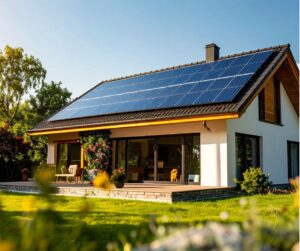
As energy efficiency becomes a bigger priority for homeowners, more buyers are encountering homes equipped with solar panels. Throughout Oregon, including Bend and Central Oregon, solar energy systems are becoming increasingly common as homeowners look for ways to reduce utility costs and improve long-term energy performance.
While solar panels can offer significant benefits, buyers should understand how the system is owned, maintained, and integrated into the property before making a purchase.
Understanding solar panels Oregon homes feature can help buyers evaluate both the opportunities and responsibilities that come with owning a solar-powered property.
At Bend Relo, we help buyers understand the full picture of homeownership, including how energy-related features affect costs, maintenance, and long-term value.
Key Takeaways
- Solar panels Oregon homes use may help reduce long-term energy expenses
- Buyers should determine whether the system is owned, financed, or leased
- System age and condition can affect performance and future maintenance needs
- Solar installations may influence home operating costs and market appeal
- Understanding warranties and production history is important before closing
Why Solar Panels Are Becoming More Common
Many Oregon homeowners are interested in solar energy because it can help:
- Reduce electricity consumption from the grid
- Lower long-term utility costs
- Improve energy efficiency
- Support sustainability goals
As technology has improved, solar systems have become more common in both new construction and existing homes.
Determine Whether the System Is Owned or Leased
One of the most important questions buyers should ask is how the solar system is structured.
Possible scenarios include:
- Fully owned by the seller
- Financed through a loan
- Leased from a third-party provider
Each situation can affect the transaction differently.
Owned systems are generally the simplest for buyers because ownership transfers with the property. Leased or financed systems may involve additional agreements or approval requirements.
Review the Age of the System
Solar panels are long-lasting, but they are not maintenance-free.
Buyers should inquire about:
- Installation date
- System capacity
- Equipment manufacturer
- Inverter age
- Service history
Understanding the age and condition of the system helps estimate future maintenance needs.
Request Energy Production Information
Historical performance data can provide valuable insight into how the system performs.
Buyers may request:
- Annual energy production reports
- Utility bill history
- Monitoring system data
- Estimated energy savings
This information helps determine whether the system is meeting expectations.
Understand Available Warranties
Many solar systems include manufacturer warranties that may cover:
- Solar panels
- Inverters
- Performance guarantees
Buyers should confirm:
- Remaining warranty coverage
- Transferability to new owners
- Documentation availability
Warranty details can affect long-term ownership costs.
Solar Panels Can Influence Utility Costs
One reason buyers are attracted to solar-equipped homes is the potential for lower electricity expenses.
However, actual savings depend on factors such as:
- System size
- Household energy usage
- Utility rates
- Seasonal energy production
Savings vary significantly from property to property.
Roof Condition Matters
Because solar panels are mounted on the roof in most installations, buyers should evaluate both the roof and the solar system together.
Questions to consider include:
- How old is the roof?
- Has the roof been replaced since installation?
- Will future roof work require panel removal?
Roof condition can influence future maintenance expenses.
Solar Does Not Eliminate All Utility Costs
Some buyers mistakenly assume solar panels eliminate electricity bills entirely.
In reality, homeowners may still have:
- Utility connection charges
- Seasonal electricity purchases
- Variable energy usage costs
Solar often reduces costs but does not necessarily eliminate them.
Solar May Appeal to Future Buyers
Energy-efficient features continue attracting attention in many markets.
Homes with solar systems may appeal to buyers who value:
- Lower operating costs
- Sustainability
- Energy independence
- Modern home upgrades
Market appeal varies depending on the system and local buyer preferences.
Maintenance Requirements Are Usually Limited
Most solar systems require relatively little maintenance compared to many other home systems.
However, owners should still monitor:
- Panel cleanliness
- System performance
- Inverter functionality
- Warranty requirements
Periodic inspections may help ensure continued efficiency.
Consider the Entire Home’s Efficiency
Solar panels work best when combined with other energy-efficient features such as:
- Quality insulation
- Efficient windows
- Modern HVAC systems
- Smart thermostats
Evaluating the entire home’s performance provides a more complete picture than focusing solely on solar production.
Work With a Local Expert
David Keyte helps buyers understand full home ownership costs before purchasing, including how solar panels Oregon homes feature can affect utility expenses, maintenance planning, resale appeal, and long-term energy efficiency.
In Central Oregon, energy performance is becoming an increasingly important part of the home-buying process, and understanding how solar systems work can help buyers make more informed decisions.
If you’re considering a home with solar panels, having the right local guidance can help you evaluate both the benefits and responsibilities that come with solar ownership.
- bendrelo.com — Property search and relocation planning
- movingtobend.com — Lifestyle insights and relocation tips
- bendrelocationservices.com — Professional relocation support