

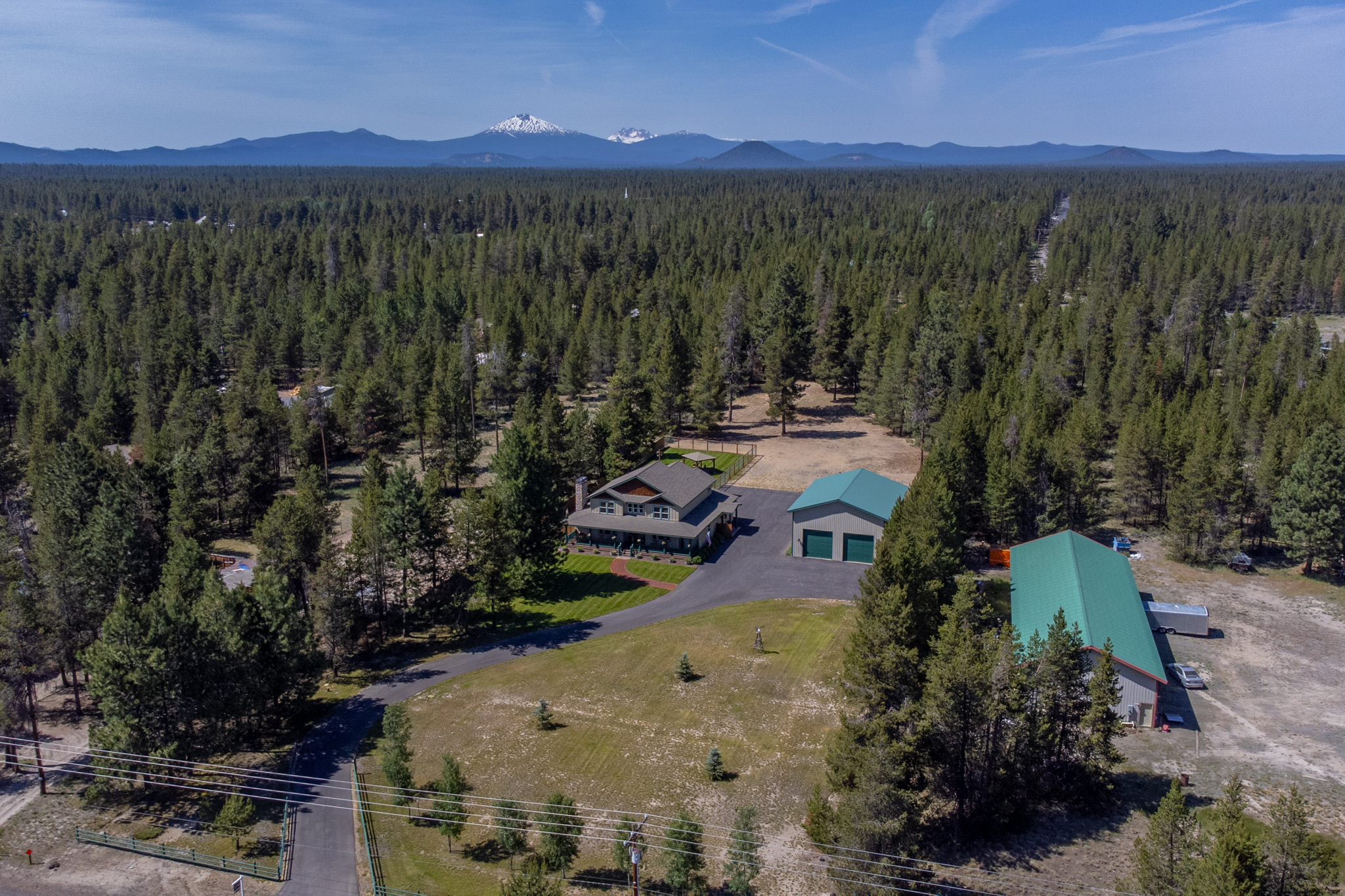
Natural Light in Bend Homes: What Buyers Should Evaluate
Natural light can change how a Bend home feels, but “bright” is not a complete buying criterion. The same windows that make a living room inviting can also create afternoon glare, summer heat gain, fading, privacy concerns or a difficult-to-darken bedroom. The useful question is not whether a home has lots of glass. It is whether the home’s light works for your routines, comfort and maintenance expectations.
Evaluate daylight at the property, at the time of day you will use each room, and alongside the windows, shading and mechanical systems that manage it. This guide gives buyers a practical way to do that without treating natural light as a guaranteed indicator of value.
Start With Orientation, Not a Listing Description
Window direction affects when a room receives direct sun. South-facing glass can admit useful winter sun, while west-facing glass is more likely to bring strong late-day light and heat. North-facing rooms usually receive steadier indirect light. East-facing rooms tend to be brightest in the morning.
Those are starting points, not conclusions. Roof overhangs, exterior shades, neighboring homes, mature trees, slope and the seasonal angle of the sun can change the result. The U.S. Department of Energy notes that orientation, room layout, glazing and landscaping all contribute to passive-solar performance. Its guidance also emphasizes balancing daylight with unwanted heat gain rather than maximizing glass everywhere.
Review the Department of Energy’s passive-solar design guide.
Visit at a Time That Matches Your Daily Life
A noon showing cannot tell you how a west-facing room feels at 5 p.m. in summer or whether a home office has enough morning light. If natural light matters to you, consider a second visit at a different time. During the showing, turn off interior lights and open the existing window coverings so you can see what the house provides on its own.
Walk room by room and ask:
- Where would you work, read, cook or relax, and when would you use that room?
- Does direct sun fall on a television, computer screen, artwork or primary seating area?
- Can bedrooms be darkened for sleep?
- Do privacy needs require shades to stay closed most of the day?
- Are important views visible from the places where you will actually spend time?
Phone compass and sun-path apps can help you form questions, but they do not replace observing the property. Trees lose leaves, neighboring construction changes shade, and snow can increase reflected brightness.
Inspect the Windows, Not Just the View
Large windows are part of the building envelope. Their condition and specifications matter to comfort and operating costs. The Department of Energy advises comparing U-factor and solar heat gain coefficient when evaluating energy-efficient windows. Lower U-factor indicates better resistance to heat flow; solar heat gain coefficient describes how much solar radiation passes through the window. The right balance depends on climate, direction and shading.
See the Department of Energy’s consumer guide to energy-efficient windows.
During a showing and inspection, look for:
- Condensation or fogging between panes
- Damaged seals, frames or weatherstripping
- Windows that bind, do not latch or will not stay open
- Evidence of water intrusion around sills and trim
- Missing or impractical insect screens
- Exterior shading, overhangs and usable interior coverings
Ask for permits, invoices or manufacturer information if recent window replacement is part of the home’s marketing. A general home inspection can identify visible concerns, while a qualified window, envelope or HVAC professional can evaluate issues outside the inspection’s scope.
Balance Daylight With Temperature and Glare
Daylighting can reduce the need for electric lighting during the day, but more glass does not automatically mean a more efficient home. The Department of Energy explains that careful window placement can provide light while limiting glare and overheating; shading and high-performance glazing are part of that balance.
Read the Department of Energy’s natural-light and daylighting overview.
Notice whether one room is much warmer or cooler than the rest of the house. Ask how occupants manage late-day heat and whether the heating and cooling system serves the bright rooms effectively. Exterior shades, trees and overhangs can block heat before it reaches the glass. Interior blinds and curtains can control glare and privacy, but they do not address every comfort problem.
Include Smoke Season in the Evaluation
In Central Oregon, operable windows can be valuable for shoulder-season ventilation, but open-window cooling is not always available during wildfire smoke. The U.S. Environmental Protection Agency advises keeping windows and doors closed when smoke conditions are poor, using recirculation and filtration as appropriate, and airing out the home when outdoor air improves.
That makes it worth asking how the home stays comfortable when windows must remain closed. Consider the HVAC system, filtration, air sealing, portable air-cleaner options and whether a bedroom or other room could function as a cleaner-air space.
Read EPA guidance on wildfire smoke and indoor air quality and check current conditions through Oregon DEQ air-pollution advisories.
How Sellers Can Present Natural Light Honestly
Sellers can make daylight easier to evaluate without promising a resale premium. Clean the glass, trim vegetation where appropriate, repair nonworking coverings, replace failed bulbs with consistent color temperature and photograph rooms when their natural light is representative. Avoid editing listing photos so heavily that window views or interior brightness become misleading.
If a home has intentional daylighting features—such as clerestory windows, a shaded south-facing wall or high-performance glazing—documentation is more useful than broad claims such as “energy efficient” or “filled with light all day.”
A Practical Natural-Light Checklist
- Confirm the direction of major windows and the time of your visit.
- Test rooms with interior lights off and coverings open.
- Check glare, privacy and room-darkening needs.
- Note trees, buildings, overhangs and seasonal shade.
- Inspect window operation and visible condition.
- Ask about glazing specifications, repairs and replacement records.
- Compare room temperatures and ask how the HVAC system handles sunny spaces.
- Consider comfort when smoke or heat requires closed windows.
- Use an inspection contingency and qualified specialists for material concerns.
Make the Decision at the Address Level
Natural light is a lived feature, not a universal score. A bright great room may be exactly what one buyer wants and too exposed for another. The goal is to understand when light enters, what it does to comfort and privacy, and what systems or coverings are needed to manage it.
Bend Relo can help you compare those tradeoffs with the rest of the property: location, condition, layout, inspection findings and ownership costs. Explore Bend Relo’s buyer resources or use the pathways below when you are planning a move.
- bendrelo.com — Property search and relocation planning
- movingtobend.com — Lifestyle insights and relocation tips
- bendrelocationservices.com — Professional relocation support
Talk with David & the Bend Relo team
Buying, selling, relocating, or evaluating a specific property? Tell us what you are working through. We are happy to help.





